
Dog Stroke Symptoms: What Estero Pet Owners Should Know

Dog Stroke Symptoms: What Estero Pet Owners Should Know
When your dog suddenly seems disoriented, unsteady, or starts acting completely out of character, it’s natural to feel worried and unsure of what to do next. One potential cause behind these alarming changes could be a stroke—a medical emergency that every pet owner should recognize as quickly as possible. At Sandy Paws Veterinary Hospital, located at 19527 Highland Oaks Dr., Suite 204, Estero, FL 33928, we understand how frightening it can be to witness sudden health changes in your beloved companion. In this guide, we’ll explain the key dog stroke symptoms, common causes, what steps to take if you notice these warning signs, and how our veterinary team can help. By understanding what to watch for and how to respond, you can make the best choices for your dog’s safety and wellbeing.
Our compassionate veterinarians in Estero and surrounding communities are here to support you with full-spectrum care, including emergency veterinary care for urgent situations as well as ongoing preventive services. Read on to learn how you can recognize dog stroke symptoms, what causes them, and when to seek prompt help for your pet.
Recognizing Dog Stroke Symptoms: Early Warning Signs
Strokes in dogs can be challenging to spot, especially because many of the symptoms can mimic other medical conditions. Knowing the early signs gives you the best chance to act quickly and get your dog the care they need. Key dog stroke symptoms include sudden loss of balance, head tilt, walking in circles, difficulty standing, or falling over without clear reason. You might also notice rapid eye movements, known as nystagmus, or a sudden change in the way your dog moves their eyes. Other warning signs are weakness on one side of the body, facial drooping, sudden collapse, confusion, and abnormal barking or vocalization.
In addition to these physical symptoms, your dog may appear disoriented or unresponsive, struggle to focus their gaze, or seem unable to recognize familiar people or places. Some dogs might vomit, lose control of their bladder or bowels, or show dramatic changes in appetite or thirst. If your dog is usually energetic and coordinated but suddenly seems confused, weak, or unable to walk straight, a stroke could be one of the causes.
Keep in mind that not every dog will show all these symptoms; sometimes, just one or two signs may be present. Because many of these issues can also point to other serious health concerns, it’s essential to contact your veterinarian right away if you observe any sudden, unexplained changes in your dog’s behavior or mobility.
Understanding the Causes of Strokes in Dogs
While strokes are less common in dogs than in people, they do occur and can be just as serious. A stroke happens when there is a sudden loss of blood flow to the brain, either from a blocked blood vessel (ischemic stroke) or bleeding in the brain (hemorrhagic stroke). This interruption prevents vital oxygen and nutrients from reaching brain tissue, leading to the abrupt onset of symptoms.
Several underlying health conditions can increase your dog’s risk of having a stroke. Common contributors include high blood pressure, heart disease, kidney disease, Cushing’s disease, diabetes, or blood-clotting disorders. Sometimes, tumors or infections within the brain or nearby structures can also cause strokes. In rare cases, trauma or certain toxins may play a role.
Florida’s warm, humid climate poses its own set of health risks for pets, including dehydration, heatstroke, and exposure to infectious diseases or parasites that may contribute to circulatory problems. In older dogs, age-related changes in blood vessels or the presence of chronic diseases can also raise the likelihood of a stroke. Because the causes can vary so widely, a thorough veterinary evaluation is always necessary to uncover the root problem and plan an effective course of action.
How Veterinary Professionals Diagnose and Treat Dog Strokes
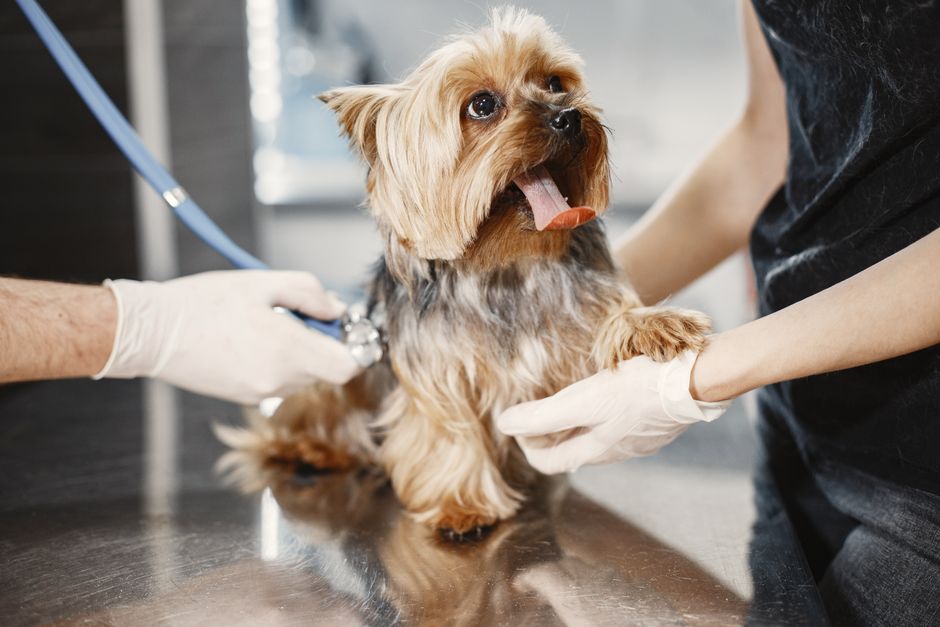
If you suspect your dog is having a stroke, prompt veterinary attention is vital. At Sandy Paws Veterinary Hospital, our veterinarians use a combination of advanced diagnostic tools, such as digital radiology, laboratory analysis, and sometimes ultrasound, to evaluate your dog’s condition and rule out other causes for the symptoms. Since stroke symptoms can mimic those of inner ear infections, vestibular disease, seizures, or toxin exposure, a comprehensive physical exam and, if needed, additional tests are performed to reach a clear diagnosis.
Treatment for stroke in dogs focuses on stabilizing your pet, providing supportive care, and addressing any underlying conditions. Approaches may involve intravenous fluids for hydration, medications to manage high blood pressure or control seizures, and careful monitoring of neurological status. If an infection or toxin is found to be the cause, targeted treatment is provided. For dogs experiencing persistent symptoms, physical therapy or assisted mobility may be recommended to help regain strength and coordination.
Our veterinary team will keep you updated throughout the process and explain every step, so you understand what is happening and what to expect during your dog’s recovery. In many cases, dogs can recover well with timely intervention, although some may experience lasting effects depending on the severity of the stroke.
To learn more about how we address complex health concerns, visit our page on Internal Medicine services addressing a spectrum of pet health concerns.
Preventing Strokes and Supporting Your Dog’s Recovery at Home
While not all strokes can be prevented, there are several proactive steps you can take to reduce your dog’s risk and support their overall health. Regular wellness exams are crucial for monitoring for early signs of chronic diseases such as heart, kidney, or endocrine disorders. Keeping your dog at a healthy weight, providing a balanced diet, ensuring regular exercise, and maintaining up-to-date vaccinations all contribute to a lower risk of health issues that could lead to a stroke.
If your dog has been diagnosed with a condition that raises their risk of stroke, such as high blood pressure or Cushing’s disease, follow your veterinarian’s recommendations for medication, monitoring, and lifestyle adjustments. At home, ensure your dog has a safe, comfortable environment to move around, especially during recovery. Offer assistance with walking if they are unsteady, and provide extra patience and reassurance as they regain their confidence.
Participation in a preventive care program can help you stay ahead of potential health problems and give your dog the best chance for a long, healthy life. Always keep a close eye on any changes in your dog’s behavior or mobility and reach out to your veterinary professionals if you are ever unsure.
When to Seek Veterinary Care for Dog Stroke Symptoms
Recognizing the signs of a stroke and knowing when to seek help can make a significant difference in your dog’s outcome. If your pet suddenly develops symptoms such as loss of balance, head tilt, weakness, confusion, collapse, or rapid eye movements, it is critical to contact your veterinarian immediately. Time is of the essence, as some causes of these symptoms may be reversible if addressed quickly.
Even if you are not certain your dog is having a stroke, any abrupt, unexplained changes in behavior, movement, or consciousness should always be treated as a medical emergency. The veterinary professionals at Sandy Paws Veterinary Hospital are ready to assist you—whether you are in Estero or a nearby community—by providing timely diagnosis and care. If your dog is already under treatment for a chronic condition and you notice new or worsening symptoms, reach out for guidance as soon as possible.
For more information on what to do in urgent situations, you can also review our emergency veterinary care resource.
Partnering with Your Estero Veterinary Team for Your Dog’s Health
Understanding dog stroke symptoms and knowing how to respond empowers you to be an even better advocate for your pet’s wellbeing. At Sandy Paws Veterinary Hospital, our commitment is to provide the highest quality care and support for every pet and family in Estero and surrounding communities. If you notice any of the stroke warning signs discussed above, do not wait—reach out to our skilled team of veterinarians for guidance.
To schedule an appointment or discuss any concerns about your dog’s health, call us at (813) 469-5843, or visit us at 19527 Highland Oaks Dr., Suite 204, Estero, FL 33928. When searching for a vet near me you can trust, remember that our veterinary professionals offer both urgent and preventive care to keep your pet healthy at every stage of life.
Your partnership with our veterinary team is the best way to ensure your dog receives the care they deserve. For additional reliable pet health information, you can also explore resources like the American Veterinary Medical Association, American Animal Hospital Association, or Veterinary Partner. Whenever you have questions about dog stroke symptoms or any other aspect of your pet’s wellbeing, our Sandy Paws Veterinary Hospital team is here to help.



.jpg)
.jpg)
