
Dog Stroke Symptoms: What Estero Pet Owners Should Know

Dog Stroke Symptoms: What Estero Pet Owners Should Know
If you’ve ever noticed your dog suddenly stumbling, acting confused, or losing balance, you may have wondered if it could be something serious like a stroke. While strokes in dogs are less common than in people, they do happen, and the symptoms can be alarming for any caring pet parent. At Sandy Paws Veterinary Hospital, located at 19527 Highland Oaks Dr., Suite 204, Estero, FL 33928, our team of veterinarians understands just how distressing it is to see sudden changes in your pet’s health. That’s why we’re here to guide you through the key dog stroke symptoms, explain what causes them, and help you know when it’s time to seek veterinary care. In this guide, you’ll learn what to watch for, how we support your dog’s recovery, and what steps you can take to protect your companion’s wellbeing here in Estero and surrounding communities.
Recognizing Dog Stroke Symptoms: When Should You Worry?
Strokes in dogs often appear suddenly and can be mistaken for other health issues. Understanding the warning signs is crucial for getting your pet the help they need as quickly as possible. Key dog stroke symptoms include a sudden loss of balance or trouble walking, which may look like uncoordinated movements, circling in one direction, or even falling over. Some dogs develop head tilt, start to walk in circles, or appear unable to stand. You may also see rapid eye movements, known as nystagmus, or notice that your dog’s eyes seem to dart back and forth. Additional symptoms can include sudden weakness on one side of the body, partial paralysis, or facial drooping. Changes in behavior, such as confusion, sudden anxiety, or even loss of consciousness, are also possible.
If your dog displays these changes without warning, it’s important not to panic, but do take them seriously. While these symptoms can indicate a stroke, they may also signal other serious conditions requiring prompt veterinary evaluation. Especially if your pet is a senior or has known health concerns, rapid action can make a significant difference.
Why Do Strokes Happen in Dogs? Understanding the Causes
A stroke in dogs, medically called a cerebrovascular accident, occurs when blood flow to part of the brain is disrupted—either by a blockage (ischemic stroke) or bleeding (hemorrhagic stroke). This interruption prevents the brain from receiving the oxygen and nutrients it needs, which can cause sudden neurological symptoms. Several underlying conditions can increase a dog's risk of stroke. These include high blood pressure, heart disease, kidney problems, Cushing’s disease, diabetes, and certain types of cancer. Infections, clotting disorders, or trauma to the head can also play a role.
In Estero and the Southwest Florida area, where pets may be exposed to environmental factors like heat and certain parasites, underlying diseases can sometimes develop quietly over time. Our veterinarians recommend regular wellness exams to catch these issues early before they lead to acute events like stroke. It’s important to remember that not all strokes have an obvious cause; sometimes, even young or otherwise healthy dogs can be affected.
How Are Dog Strokes Treated? What to Expect from Your Veterinary Team
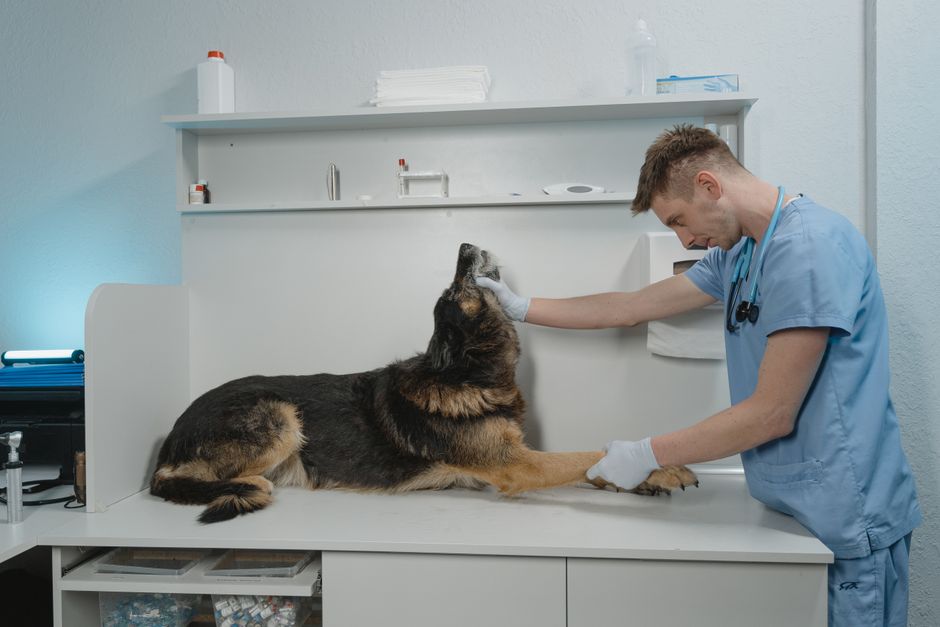
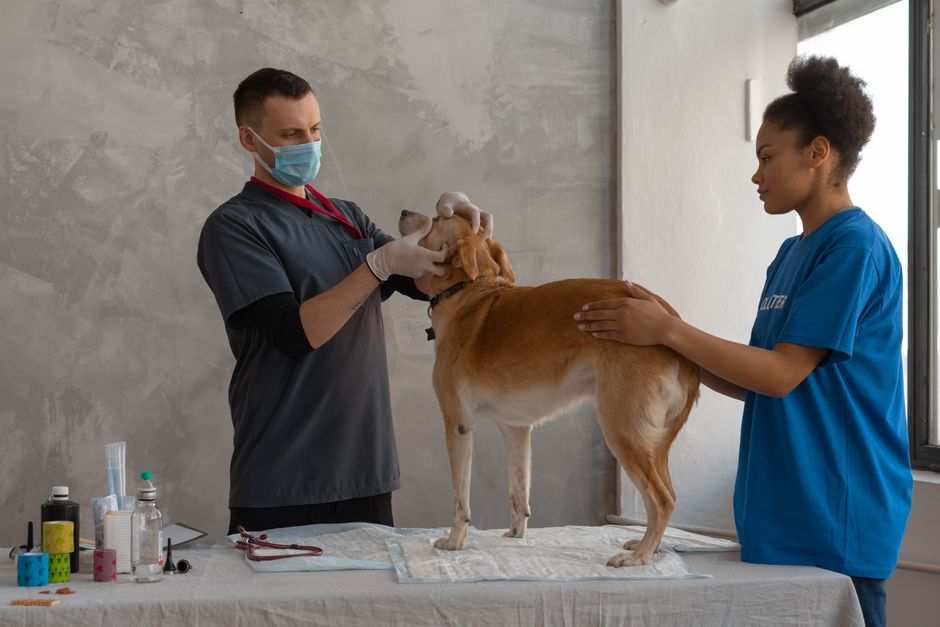
When you bring your dog to Sandy Paws Veterinary Hospital with symptoms suggestive of a stroke, our veterinary professionals will begin with a thorough physical and neurological examination. We may recommend bloodwork, advanced imaging such as MRI or CT scans (at referral centers), and other diagnostic tests to confirm the diagnosis and rule out other conditions like vestibular disease, seizures, or toxin exposure. Depending on your pet's needs, we may also utilize internal medicine diagnostics here in our Estero clinic.
Treatment for stroke in dogs focuses on stabilizing your pet, managing underlying causes, and supporting recovery. Approaches may involve intravenous fluids to maintain hydration, medications to control symptoms like nausea or seizures, and supportive care such as assistance with mobility and nutrition. If an underlying health problem is identified, such as high blood pressure or a clotting disorder, our veterinarians will develop a targeted treatment plan. In some cases, we may recommend referral to a veterinary neurologist for advanced care.
The good news is that many dogs show significant improvement with prompt, appropriate care. Recovery may take days to weeks, and some dogs experience lingering effects, but with patience and guidance from our veterinary team, most pets can return to a good quality of life.
Supporting Your Dog at Home: Prevention and Recovery
While not all strokes can be prevented, there are steps you can take to lower your dog’s risk and support their recovery. Scheduling regular wellness visits at Sandy Paws Veterinary Hospital allows us to monitor your pet’s overall health and catch conditions like high blood pressure, heart disease, or metabolic disorders before they become serious. For senior dogs, senior pet care services can be especially valuable in detecting early warning signs and adjusting care as your pet ages.
If your dog is recovering from a stroke, your role at home is crucial. Ensure they have a safe, comfortable space with easy access to food, water, and their favorite resting spots. Minimize hazards by removing obstacles and using non-slip mats if your pet is unsteady. Pay close attention to their eating and drinking habits, ability to walk, and overall mood. Any sudden changes or setbacks should be reported to our veterinary professionals right away.
For ongoing health, keeping your pet at a healthy weight, providing regular exercise tailored to their abilities, and maintaining parasite prevention can also reduce the risk of further health complications. Our team is always here to answer questions and help you develop a care plan that fits your dog’s unique needs.
When to Seek Veterinary Care for Dog Stroke Symptoms
Time is critical when it comes to neurological symptoms in pets. If your dog shows sudden changes such as loss of balance, inability to walk, head tilt, collapse, uncontrolled eye movements, or sudden confusion, you should seek veterinary attention immediately. These symptoms can indicate a stroke or other urgent health problems like vestibular disease, poisoning, or severe infections.
Our emergency veterinary care services in Estero are available to address urgent situations, and we always prioritize rapid assessment for dogs with neurological symptoms. Do not wait to see if symptoms resolve on their own, as delays can affect your pet’s chances of recovery. If your pet is a senior or has known health issues, erring on the side of caution is always best.
If you are unsure whether your dog’s symptoms are an emergency, contact our veterinary team for guidance. We can help you assess the situation and determine the best next steps for your companion.
Take Action to Protect Your Dog: Sandy Paws Veterinary Hospital Is Here for You
Recognizing dog stroke symptoms early and acting quickly can make all the difference for your pet’s health and recovery. If you notice sudden changes in your dog’s balance, behavior, or ability to move, do not hesitate to reach out to the compassionate veterinarians at Sandy Paws Veterinary Hospital. We encourage you to schedule an appointment at our Estero location or call (813) 469-5843 for expert guidance and care.
For pet owners searching for a "vet near me," our hospital is committed to providing timely, comprehensive support for your dog’s health—from preventive care to urgent intervention. If you have questions about stroke risks, recovery expectations, or want to schedule a wellness visit, explore our preventive care services or speak with our veterinary professionals today.
Your dog’s wellbeing is our top priority. When you need a trusted partner in your pet’s health journey, Sandy Paws Veterinary Hospital is here to help you navigate concerns about dog stroke symptoms and all aspects of your companion’s care.
This article is for informational purposes only and is not a substitute for professional veterinary advice. If your pet is experiencing symptoms of a stroke or other emergency, contact a veterinarian immediately. For more detailed information, visit reputable resources such as the American Veterinary Medical Association (AVMA), Veterinary Partner, or the American Animal Hospital Association (AAHA).


.jpg)
.jpg)
