Essential Winter Wellness Tips for Estero Pets
Essential Winter Wellness Tips for Estero Pets
As the temperatures shift and the days get shorter in Estero, pet owners begin to wonder how to keep their dogs and cats healthy, happy, and comfortable during the winter months. While Southwest Florida winters are far milder than those up north, the seasonal change still brings unique challenges for your four-legged family members. Whether you are concerned about cooler nights, changes in outdoor routines, or seasonal hazards, preparing your pet for winter is an important part of responsible pet ownership. At Sandy Paws Veterinary Hospital, located at 19527 Highland Oaks Dr., Suite 204, Estero, FL 33928, our veterinary team is here to share expert advice on winter wellness. In this blog, you’ll discover how to adjust routines, prevent common seasonal issues, and ensure your pet thrives all winter long. We will guide you through recognizing problems, understanding seasonal risks, and knowing when your pet should visit us for a comprehensive wellness examination.
Recognizing Winter Wellness Concerns in Your Pet
Even in a warm climate like Estero, the arrival of winter can affect your dog or cat in subtle but meaningful ways. Pet owners often notice changes in energy levels, skin and coat condition, and daily habits. Common signs that your pet may be experiencing winter wellness challenges include increased dryness or itchiness of the skin, reluctance to go outside for walks or play, minor stiffness when getting up after a nap, and mild changes in appetite or water intake. For senior pets or those with chronic conditions, you might see more pronounced stiffness, discomfort with cooler mornings, or increased sensitivity to drafts. Cats may seek out sunny spots for warmth, while some dogs become less interested in their usual outdoor activities. If you notice any sudden changes in your pet’s behavior, energy, or appearance, it is important to pay close attention and consider whether the winter season is playing a role.
Why Winter Matters for Estero Dogs and Cats
Florida’s subtropical climate means our pets do not face the harsh cold and snow seen in other parts of the country, but winter still brings differences that affect their health. Cool nights can lead to stiff joints, especially in older or arthritic pets. The humidity levels often drop, which can dry out skin and exacerbate conditions like itchiness or dandruff. Changes in daylight hours may influence your pet’s activity level and mood, and the holiday season sometimes brings extra treats, visitors, and potential stress. Winter also marks the start of the dormant season for many outdoor pests, but it does not eliminate the risk of parasites such as fleas, ticks, and heartworm-carrying mosquitoes. Additionally, seasonal plants, decorations, and certain foods that appear in homes around the holidays can pose hazards if pets are curious or mischievous. Pet owners in Estero and surrounding communities should remain vigilant about these factors to keep their dogs and cats safe and healthy throughout the winter months.
Managing Seasonal Issues: What Your Veterinarian Can Do
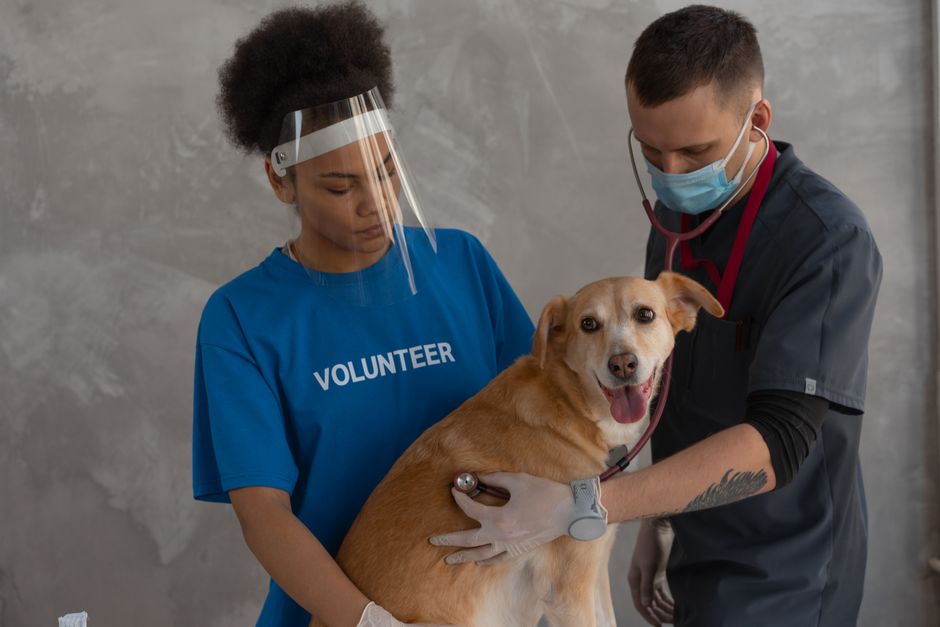
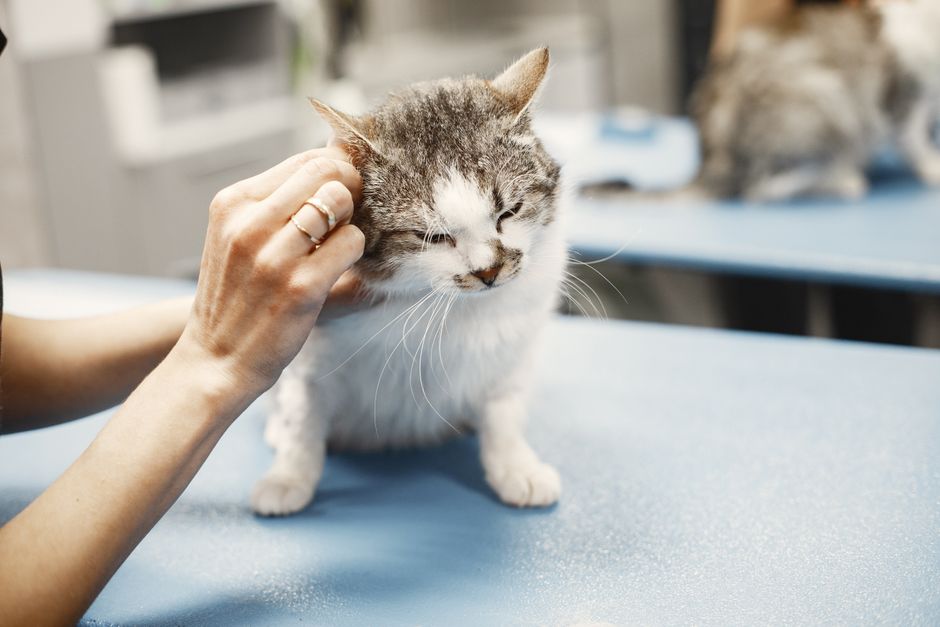
A visit to Sandy Paws Veterinary Hospital during the winter is an excellent way to ensure your pet remains in peak condition. Our team of veterinarians recommends a thorough wellness examination to assess your pet’s weight, body condition, skin, coat, and overall health. For senior pets, we may suggest more frequent check-ups or additional diagnostics to monitor for early signs of arthritis, organ changes, or metabolic issues that can be aggravated by cooler weather. If your pet is showing signs of dry, flaky, or irritated skin, our veterinary dermatology services can help identify and treat underlying causes, whether they are seasonal or related to allergies and environment. We also review your pet’s parasite prevention plan, as year-round protection against fleas, ticks, and heartworm is just as important in winter as it is during other seasons. Routine heartworm testing may be recommended, especially if there have been lapses in prevention. Our veterinary team can also provide guidance on appropriate nutrition for the winter months, including any needed adjustments for activity level, age, or medical conditions.
Addressing Senior Pet Needs
Winter can be especially challenging for older dogs and cats. Stiffness, joint pain, and mobility issues often become more noticeable as the weather cools. Our veterinarians may recommend supplements, prescription diets, or gentle medications to help manage arthritis and keep your senior pet comfortable. We also advise on practical steps at home, such as providing extra bedding and ensuring your pet has a warm, draft-free place to rest. If you notice your senior dog or cat struggling to get up, hesitating to jump, or showing changes in behavior, a visit for specialized senior pet care can make a meaningful difference in their quality of life this winter.
Home Care: Keeping Your Pet Comfortable and Healthy This Winter
Pet owners play a crucial role in supporting their dog or cat’s wellness during the winter season. Adjusting routines as the weather cools can prevent many common problems before they start. When it comes to skin and coat health, regular brushing removes dead hair and stimulates natural oils, which helps reduce dryness and shedding. Bathing should be done with gentle, pet-safe shampoos; avoid over-bathing, as this can strip natural oils and worsen dry skin. For pets sensitive to the chill, consider adding a cozy blanket or bed in a warm, quiet spot away from drafts. Senior pets and those with joint concerns often appreciate heated beds or orthopedic cushions for extra support.
Outdoor routines may need to be modified on chilly or damp days. Shorter, more frequent walks can help maintain activity without prolonged exposure to the cold. Always dry your pet’s paws and coat after being outside, as lingering moisture can cause discomfort and contribute to skin irritation. Monitor your pet’s weight throughout the season; less activity can lead to weight gain, so adjust food portions as needed in consultation with your veterinarian.
Holiday hazards are another concern in winter. Decorations, seasonal plants such as poinsettias and lilies, and rich foods can be tempting but dangerous for pets. Keep festive treats out of reach and educate guests about not sharing food with your pets. For more information on toxic plants and foods, resources like the ASPCA poison control and toxic plant guides can be very helpful.
Parasite prevention should not be put on hold for the winter. Continue your dog or cat’s routine flea, tick, and heartworm prevention, as the warm Estero climate allows pests to remain active year-round. For more in-depth information on parasite risks and prevention, visit the American Heartworm Society.
When to Schedule a Winter Veterinary Visit
It can sometimes be difficult to decide whether a seasonal change in your pet’s behavior or health warrants a trip to the veterinary clinic. Our recommendation is to err on the side of caution, especially for senior pets, those with chronic conditions, or if you notice any of the following: persistent itching or skin irritation that does not resolve with home care, unexplained weight gain or loss, new stiffness or pain, noticeable changes in thirst or appetite, coughing or breathing changes, or any signs of lethargy that last more than a day or two. If your pet ingests something potentially toxic, contact our emergency veterinary care team immediately or use a resource like the ASPCA poison control. Timely care can make a significant difference in outcomes, so do not hesitate to reach out if you have any concerns.
Building a Year-Round Preventive Care Plan
Winter is a great time to review your pet’s overall preventive care strategy. Scheduling an annual or biannual wellness examination allows our veterinary professionals to catch subtle changes before they become bigger problems. Vaccinations remain important throughout the year; our team can ensure your pet is protected against preventable diseases with up-to-date pet immunizations. For both dogs and cats in Estero, maintaining parasite prevention, dental health, and regular weigh-ins are the cornerstones of wellness, regardless of the season. Our preventive care services are designed to support your pet’s health in every stage of life.
Your Partner in Winter Wellness: Sandy Paws Veterinary Hospital
Keeping your dog or cat healthy during the winter months in Estero is about more than just bracing for the cold; it is about anticipating seasonal challenges and making small but meaningful adjustments to your routine. By staying attentive to changes in your pet’s health, maintaining parasite prevention, and making your home a comfortable haven, you can ensure your four-legged family member enjoys the season to the fullest. If you have questions, concerns, or simply want to schedule a winter wellness examination, our compassionate veterinary team at Sandy Paws Veterinary Hospital is here to help. Call us at (813) 469-5843 or visit us at 19527 Highland Oaks Dr., Suite 204, Estero, FL 33928 to give your pet the expert care they deserve this winter and beyond. When you search for a veterinarian near me, know that our team is dedicated to supporting your pet’s health, comfort, and happiness all year round.