
Flea and Tick Prevention for Pets in Estero
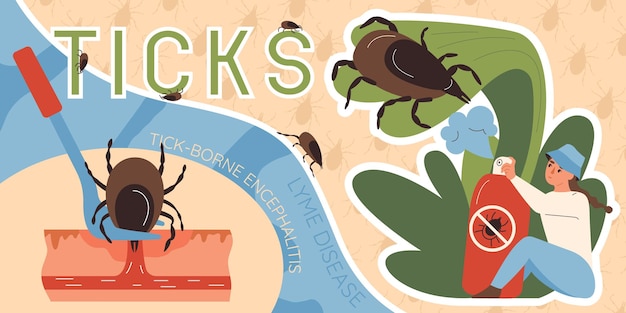
Flea and Tick Prevention for Pets in Estero
As spring arrives in Estero and the temperatures begin to rise, many pet owners start to notice their dogs and cats scratching a bit more than usual. With the warmth and humidity of March, flea and tick activity increases dramatically throughout Southwest Florida. These small but troublesome parasites can cause a variety of health issues for pets, ranging from skin irritation to life-threatening diseases. At Sandy Paws Veterinary Hospital, located at 19527 Highland Oaks Dr., Suite 204, Estero, FL 33928, we know how important it is to keep your four-legged family members protected and comfortable year-round.
In this guide, we will help you recognize the signs of flea and tick infestations, explain why these pests are such a concern in Estero and nearby communities, outline treatment and prevention strategies, and let you know when to seek professional veterinary care. Our team of veterinarians is dedicated to providing compassionate, comprehensive preventive care, and we offer a variety of solutions to help your pets stay healthy and pest-free this spring and beyond. If you have concerns about fleas or ticks, or if you want to learn more about our preventive care services, you are in the right place.
Recognizing Flea and Tick Problems in Your Pet
Spotting the early signs of a flea or tick problem is essential to protecting your pet’s health. Fleas are tiny insects that feed on blood and can be difficult to see, especially in thick fur. Ticks are slightly larger, with oval bodies that attach to the skin, often hiding in less visible areas like behind the ears, between the toes, or under collars.
Key symptoms of flea infestations include persistent scratching or biting, red or inflamed skin, hair loss (particularly around the base of the tail), and the appearance of small black specks in the fur, which are flea droppings. Some pets may develop scabs, hot spots, or even show signs of anemia if the infestation is severe. Fleas can also trigger allergic reactions, causing intense itching and discomfort.
Ticks, on the other hand, often go unnoticed until they become engorged with blood. Signs of tick attachment include a visible lump where the tick has latched on, localized redness or swelling, and occasional lethargy or decreased appetite if the tick has transmitted a disease. It is important to inspect your pet regularly, especially after walks in wooded, grassy, or brushy areas, as ticks can transmit dangerous illnesses such as Lyme disease and ehrlichiosis.
If your pet is displaying excessive scratching, unexplained hair loss, or skin irritation, or if you have found a tick attached to their body, it may be time to consider a visit to our veterinary team for a thorough evaluation and prompt treatment.
Why Fleas and Ticks Are a Year-Round Threat in Estero
Estero’s warm, humid climate provides the perfect breeding ground for both fleas and ticks. Unlike northern regions where cold winters slow down parasite activity, Southwest Florida’s mild weather allows these pests to thrive throughout the year, with a noticeable surge during the spring and summer months.
Several factors contribute to the prevalence of fleas and ticks in the Estero area. The abundance of wildlife, such as raccoons, opossums, and squirrels, can introduce parasites into your yard or local parks. Neighborhood pets, especially those who spend time outdoors or interact with other animals, are at higher risk of bringing home unwanted hitchhikers. Even indoor-only pets can be exposed if fleas or ticks are carried in on clothing, shoes, or other animals.
Fleas reproduce rapidly, with a single female capable of laying dozens of eggs per day. These eggs fall off the host and accumulate in carpets, bedding, and cracks in flooring, making it easy for infestations to persist and spread. Ticks, while less prolific, are hardy and can survive for months without feeding, patiently waiting for a new host to pass by.
Because of these factors, it is vital for pet owners in Estero and surrounding communities to remain vigilant and proactive about flea and tick prevention, especially as the weather warms up.
Professional Treatment and Prevention Options
When it comes to managing fleas and ticks, professional veterinary care is essential. At Sandy Paws Veterinary Hospital, our veterinarians offer a range of safe and effective preventive products tailored to your pet’s unique needs, lifestyle, and health history. Treatment approaches involve prescription oral or topical medications that work by killing existing parasites and interrupting their life cycles, ensuring long-lasting protection.
For pets already dealing with an infestation, our veterinary professionals may recommend a combination of fast-acting treatments to eliminate adult fleas and ticks, along with environmental control measures to address eggs and larvae in the home. In some cases, we may suggest medicated baths, skin treatments, or additional therapies to soothe irritation and promote healing.
Our preventive care services also include routine wellness exams, during which we assess your pet’s overall health and discuss the best parasite prevention program for your household. With so many products available on the market, it can be overwhelming to choose the right one; that is why we take the time to explain the benefits and potential side effects of each option, helping you make an informed decision for your dog or cat.
Many flea and tick preventives also provide protection against other parasites such as heartworms and intestinal worms, which are prevalent in Florida. Staying up to date with your pet’s preventive medications is one of the most effective ways to safeguard their health and comfort throughout the year.
Steps to Prevent Flea and Tick Infestations at Home
While professional veterinary care is the cornerstone of parasite prevention, there are many practical steps you can take at home to minimize the risk of fleas and ticks. Regularly inspecting your pet’s coat for signs of pests, especially after outdoor activities, is a simple but important habit. Using a flea comb can help you spot adult fleas or flea dirt before an infestation takes hold.
Keeping your home clean is also critical. Frequent vacuuming of carpets, rugs, and furniture, as well as washing pet bedding in hot water, helps remove eggs, larvae, and adult fleas from the environment. Paying attention to your yard is equally important; mowing the lawn regularly, trimming shrubs, and removing piles of leaves or debris will make your outdoor space less appealing to ticks.
Limiting your pet’s exposure to areas known to harbor parasites, such as wooded trails or overgrown fields, can further reduce the risk. When walking your dog in parks or nature preserves around Estero, try to stick to well-maintained paths and check your pet thoroughly when you return home.
Finally, adhering to a consistent schedule for administering veterinarian-recommended flea and tick preventives is crucial. Skipping doses or stopping treatment during the cooler months can leave your pet vulnerable to infestations, as parasites remain active in Florida’s climate. If you are unsure about which products to use or how often to apply them, our veterinary team is always available to provide guidance.
For more information about best practices in parasite prevention, reputable organizations like the Companion Animal Parasite Council and the American Veterinary Medical Association offer helpful resources for pet owners.
When to Seek Veterinary Care for Fleas and Ticks
Although some mild infestations can be managed at home with the right preventive products, there are situations when professional care becomes necessary. If your pet is experiencing persistent itching, open sores, or hair loss that does not improve with routine preventive measures, it is time to schedule an appointment with our veterinarians. Additional warning signs include pale gums (which may indicate anemia), signs of discomfort, or a sudden change in behavior such as lethargy or loss of appetite.
Ticks can transmit serious diseases that may not show symptoms immediately. If you find a tick attached to your pet, especially if your pet becomes unwell within days or weeks afterward, prompt veterinary attention is recommended. Our veterinary professionals can perform diagnostic tests, remove attached ticks safely, and provide treatment for any resulting infections or complications.
Remember, early intervention is key to preventing the spread of parasites and minimizing health risks for all pets in your household. If you are ever in doubt about your pet’s condition or the effectiveness of your current prevention plan, our team is here to help.
Protect Your Pet: Schedule Flea and Tick Prevention in Estero Today
Fleas and ticks are more than just a nuisance; they pose real health risks to pets in Estero and surrounding communities. With the arrival of spring, now is the perfect time to take action and ensure your dog or cat is protected from these common parasites. At Sandy Paws Veterinary Hospital, our experienced veterinary team provides personalized preventive care services designed to keep your pet healthy and comfortable all year long.
If you have noticed any signs of flea or tick activity, or if you want expert advice on the best prevention plan for your pet’s lifestyle, we encourage you to schedule an appointment with our veterinarians. When searching for a vet near me, choosing a clinic with a strong focus on preventive medicine and compassionate care can make all the difference for your pet’s wellbeing.
Contact us today at (813) 469-5843 or visit us in person at 19527 Highland Oaks Dr., Suite 204, Estero, FL 33928. Our veterinary professionals are always here to answer your questions and help you enjoy a pest-free, happy season with your furry family members. For additional trusted information, the American Heartworm Society is an excellent resource on parasite prevention and pet health. Your pet’s comfort and safety are our top priority at Sandy Paws Veterinary Hospital.





.jpg)
.jpg)
