Hot Weather Safety Tips for Pets in Estero, FL

Hot Weather Safety Tips for Pets in Estero, FL
As summer temperatures soar in Estero, FL, it is natural for pet owners to worry about how the heat and humidity might affect their furry companions. Dogs and cats are especially vulnerable to the risks of heatstroke and dehydration during the hottest months, and even routine activities like walks or playtime can quickly become unsafe. At Sandy Paws Veterinary Hospital, located at 19527 Highland Oaks Dr., Suite 204, Estero, FL 33928, our veterinary team is dedicated to helping you keep your dog or cat safe and comfortable all summer long. This blog will guide you through recognizing signs of heat-related distress in pets, understanding why these dangers arise in our local climate, and providing practical steps for prevention and care. You will also learn when it is time to seek help from our compassionate team—especially if you notice signs of heatstroke, dehydration, or other summer hazards.
Whether you are a long-time resident or new to the area, summer in Estero presents unique challenges for pet health. From sweltering August afternoons to sudden rainstorms, we will cover how to protect your pet from common seasonal hazards. If you are looking for proactive care, remember that we offer preventive care services and same-day appointments to give your companion the best chance at a healthy, happy summer.
Recognizing Signs of Heat Stress and Summer Hazards in Pets
Understanding the warning signs of heat-related illness is the first step in protecting your dog or cat. Pets do not sweat the way humans do, which means they are less efficient at cooling themselves. Instead, they rely on panting and limited mechanisms to regulate their body temperature. In the high humidity and intense heat common in Estero, these methods can quickly become inadequate.
Key symptoms of heatstroke in pets include excessive panting, drooling, bright red gums, difficulty breathing, vomiting, diarrhea, and unusual weakness or collapse. Cats may hide, become lethargic, or develop rapid breathing when overheated. Dogs, especially brachycephalic breeds like Bulldogs and Pugs, are particularly at risk due to their short noses and compromised airways. Additionally, dark-coated breeds, overweight pets, and those with underlying health conditions are more susceptible.
Beyond heatstroke, summer brings other hazards such as burned paw pads from hot pavement, dehydration, and dangers from sudden thunderstorms or heavy rains. After rain, standing water may harbor parasites or bacteria, posing further risks to curious pets who drink from puddles. By knowing what signs to look for, you can act quickly to protect your pet’s health.
Why Heat and Humidity Are So Dangerous for Dogs and Cats
Estero’s summer climate is characterized by high temperatures and humidity, often pushing the heat index into dangerous territory. For pets, these conditions create a perfect storm for overheating. Unlike people, dogs and cats cannot simply remove layers of clothing or seek out air conditioning unless you provide access for them.
Humidity adds another layer of risk. When the air is saturated with moisture, panting becomes less effective at dissipating heat. This means that even moderate temperatures can become dangerous if humidity is high. Asphalt and concrete surfaces absorb and retain heat, reaching temperatures hot enough to burn sensitive paw pads within minutes. And while rain may seem like a relief, it can limit safe outdoor exercise and increase the risk of accidental toxin exposure, especially if pets encounter antifreeze, fertilizers, or plants that can be harmful.
Certain pets face extra challenges. For example, senior dogs and cats, those with heart or respiratory conditions, and pets who are overweight may struggle to adapt to the heat. Understanding these factors helps you make better decisions about when and how to let your pet outside, as well as when to keep them cool indoors.
What to Do If Your Pet Shows Signs of Heatstroke or Summer Illness
If you notice any symptoms of heatstroke or heat stress in your dog or cat, immediate action is crucial. First, move your pet to a cool, shaded area indoors or into air conditioning. Offer small amounts of cool (not cold) water for your pet to drink, but never force them. You can also dampen their fur with cool water or place a wet towel on their paws and belly to help gradually lower their body temperature.
It is important not to use ice-cold water, as rapid cooling can cause shock. Avoid covering your pet with wet towels entirely, as this may trap heat. If your pet is vomiting, having diarrhea, seems disoriented, or loses consciousness, these are emergency situations that require prompt veterinary attention.
At Sandy Paws Veterinary Hospital, our veterinary professionals are equipped to provide urgent care for heatstroke, dehydration, and related emergencies. We use specialized techniques to stabilize your pet, monitor vital signs, and address complications like organ damage or secondary infections. You can read more about our emergency veterinary care and know that our team is ready to help when minutes matter.
Preventing Heatstroke and Keeping Pets Comfortable at Home
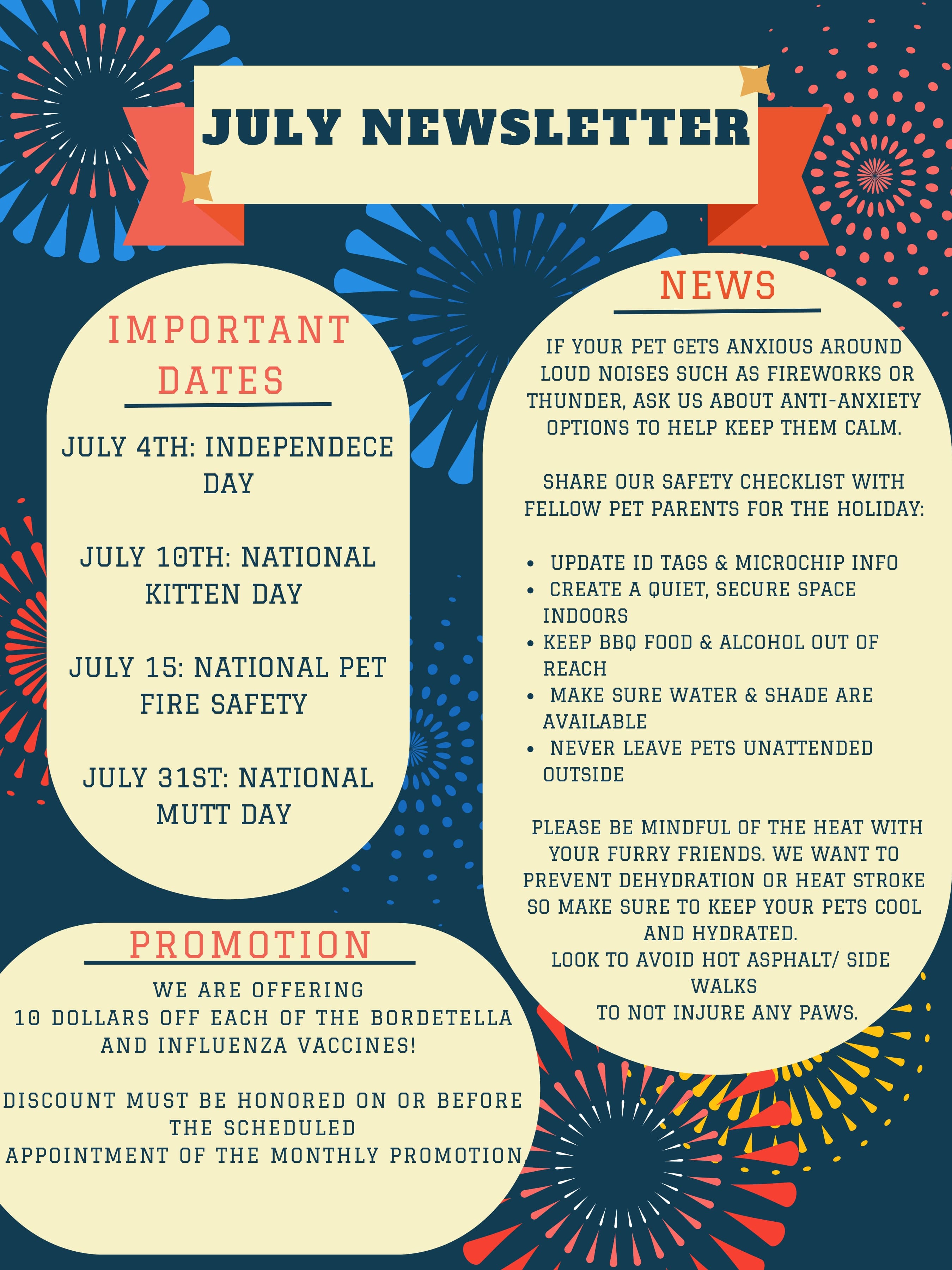
The best way to protect your pet from heat-related dangers is through prevention. Limit outdoor activities to early morning or late evening hours when temperatures are cooler and humidity is lower. Walk your dog on grass instead of pavement whenever possible, and always check surfaces with your hand before letting your pet walk on them. Provide access to fresh, clean water at all times; keep water bowls indoors and outdoors, and refresh them regularly.
For cats, ensure they have access to cool, shaded areas inside your home. Some cats enjoy lying on tile floors or near fans, which can help them stay comfortable. Dogs may benefit from cooling mats, shaded patios, or even shallow kiddie pools for supervised play. Never leave your pet in a parked car, even for a short time, as temperatures can climb to life-threatening levels in minutes.
During rainy days, it is important to monitor your pet for exposure to harmful substances or plants. After walks, wipe your dog’s paws to remove debris or chemicals they may have picked up. For more information about toxic plants and substances, resources like the University of Illinois guide to toxic plants and the ASPCA offer valuable guidelines.
Regular wellness examinations are another critical part of summer safety. These visits allow our veterinarians to identify risk factors, such as obesity or underlying health concerns, and provide advice tailored to your pet’s unique needs.
When to Call Your Veterinarian: Recognizing Emergencies and High-Risk Scenarios
Knowing when to seek professional veterinary help can make all the difference for your pet’s health and recovery. If your dog or cat is panting heavily for more than a few minutes, drooling excessively, having difficulty standing, vomiting, showing signs of confusion, or collapsing, these are all urgent warning signs. Do not wait to see if symptoms improve on their own; heatstroke and severe dehydration can progress rapidly, causing permanent organ damage or even becoming fatal.
Pets who are at higher risk—such as brachycephalic breeds, elderly animals, or those with chronic health issues—should be monitored extra closely during periods of extreme heat or humidity. If you have any doubts about your pet’s condition, it is always better to err on the side of caution and reach out to our veterinary team. We offer same-day appointments and are committed to providing immediate, compassionate care when you need it most.
For non-emergencies, if your pet seems uncomfortable, is drinking more water than usual, or is less active during the summer months, schedule a preventive care appointment to discuss your concerns. Our veterinarians can recommend adjustments to diet, exercise, and home routines that promote safer summer living.
Empowering Pet Owners: Local Resources and Ongoing Support
Pet owners in Estero and surrounding communities have access to a wealth of local and national resources for keeping animals safe throughout the summer. The American Veterinary Medical Association and American Animal Hospital Association offer trusted advice on seasonal pet care, while the American Heartworm Society provides guidance on year-round parasite prevention that is especially important during rainy, mosquito-prone months.
Our team at Sandy Paws Veterinary Hospital takes pride in educating and supporting our clients. We encourage you to stay proactive, ask questions, and keep an eye out for changes in your pet’s behavior or health. Remember, every animal is unique, and what works for one may not be ideal for another. By working together, we can help your companion thrive, no matter how high the temperature climbs.
Keeping Your Pet Safe in Estero’s Summer Heat: Final Takeaways and How to Get Help
Summer in Estero, FL brings plenty of opportunities for fun with your dog or cat, but also real risks that require careful attention. By recognizing the subtle and obvious signs of heat stress, understanding why pets are so vulnerable during hot and humid weather, and taking simple preventive measures at home, you can protect your companion from the most common dangers of the season. If you ever suspect your pet is in distress, or if you simply want to be proactive about their health, our veterinary team is here to help.
If you are searching for a compassionate, knowledgeable "vet near me" in Estero or the surrounding area, look no further than Sandy Paws Veterinary Hospital. We invite you to schedule an appointment for a wellness examination, discuss your concerns, or learn more about our emergency veterinary care. Call us at (813) 469-5843 or visit us at 19527 Highland Oaks Dr., Suite 204, Estero, FL 33928 to keep your pets safe and healthy, no matter what the Florida weather brings.
Medical Disclaimer: This blog is intended for informational purposes only and does not replace professional veterinary advice. If you have any concerns about your pet’s health or safety, please contact your veterinarian promptly.