
How Dew and Rain in Estero Affect Pet Health

How Dew and Rain in Estero Affect Pet Health
Caring for your pet in Estero, FL, means paying close attention to how our unique local climate impacts their health—especially when it comes to seasonal dew and rain. Many pet owners wonder, are there seasonal considerations (like dew or rain) that impact pet exposure? At Sandy Paws Veterinary Hospital, we receive this question every year as February brings mild temperatures, early morning dew, and occasional rain showers. Understanding how these factors influence your dog or cat’s health can help you prevent issues before they start. In this blog, our Estero veterinary team will explain the potential risks associated with seasonal moisture, help you recognize signs of weather-related health concerns, and share simple preventive steps you can take to keep your pet safe. Whether you’re local to Estero or live in surrounding communities, our goal is to empower you with knowledge and support so your pet can enjoy the outdoors safely all year round.
If you have specific concerns about your pet’s health during weather changes, our preventive care services are designed to address these seasonal risks. Read on to discover how dew and rain may affect your furry companion and what you can do to protect them.
Recognizing Dew and Rain-Related Health Concerns in Pets
When Estero’s mornings greet you with shimmering grass and the air feels thick with moisture, it’s not just your shoes that get damp—your pet’s paws and coat pick up that same dew and rain. Pet owners often notice subtle changes in their dog or cat’s behavior or appearance during wetter months. Signs to watch for are persistent licking of the feet, redness or irritation between the toes, unusual scratching, sneezing, coughing, or a musty odor from the coat. Sometimes, you may see muddy pawprints or matted fur after a walk, which can be harmless or a sign that moisture is lingering on the skin.
For some pets, especially those with allergies or sensitive skin, increased moisture exposure can lead to flare-ups. Conditions such as hot spots, yeast infections, or ear problems may develop or worsen. Dogs who love to roll in wet grass or cats who venture outside may bring in environmental allergens, which can trigger sneezing, watery eyes, or respiratory discomfort.
In addition to skin and coat issues, be alert for symptoms like limping, reluctance to walk, or swelling in the paws, which may signal a more significant problem such as pododermatitis (inflammation of the paw pads). If your pet develops a cough, nasal discharge, or seems lethargic after spending time outdoors in damp weather, it’s wise to consider whether moisture exposure could be a contributing factor.
Why Dew and Rain Pose Risks: Understanding Seasonal Exposure in Estero
The question, are there seasonal considerations (like dew or rain) that impact pet exposure, is especially relevant in Estero’s subtropical climate. Even in the dry season, our area experiences cool mornings, high humidity, and occasional rain showers that keep grass and soil moist. This creates an environment where bacteria, fungi, and parasites can thrive, even when the calendar says winter.
Moisture on your pet’s skin and paws can soften protective barriers, making it easier for microorganisms to cause infections. Dogs and cats walking through wet grass are at risk for picking up pathogens that can lead to skin infections, especially if they have minor cuts or abrasions. Longer-coated breeds or pets with thick undercoats may trap moisture against the skin, which can set the stage for hot spots or fungal growth.
Rain and dew also contribute to muddy conditions in yards and parks, which means pets are more likely to encounter parasites such as hookworms or roundworms. These parasites are spread through contaminated soil and can easily enter your pet’s body through ingestion or skin contact. Additionally, standing water from rain increases the risk of exposure to leptospirosis—a bacterial infection that affects both dogs and humans.
In Estero and surrounding communities, the combination of mild temperatures and persistent humidity means that fleas and ticks remain active year-round. Wet weather may drive these pests to seek shelter on your pet or in the home.
Professional Care for Weather-Related Pet Health Issues
If your pet develops symptoms after exposure to seasonal dew or rain, professional veterinary care is essential to address the underlying cause and prevent complications. At Sandy Paws Veterinary Hospital, our experienced veterinary team offers comprehensive diagnostics and treatments tailored to your pet’s needs.
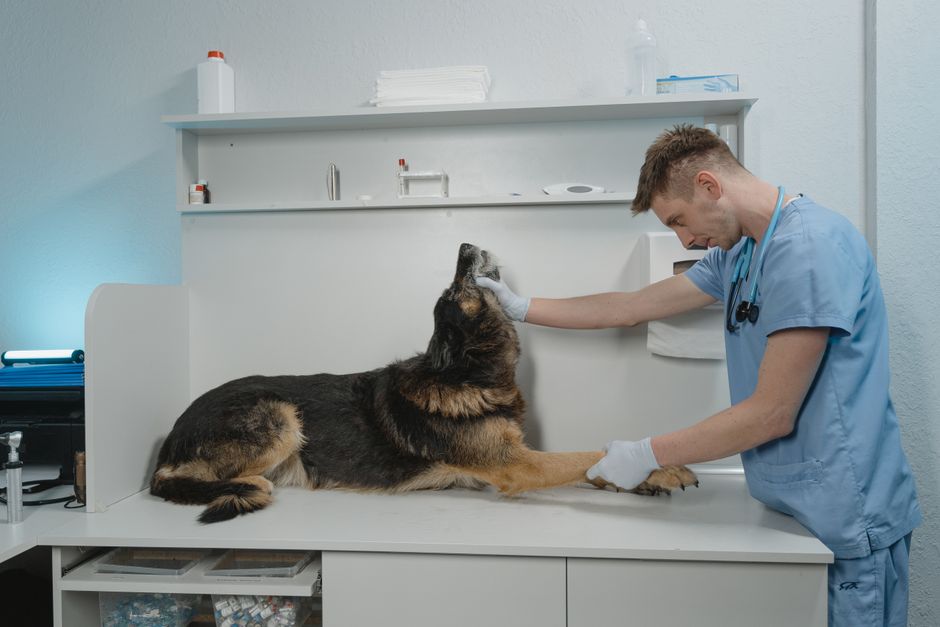
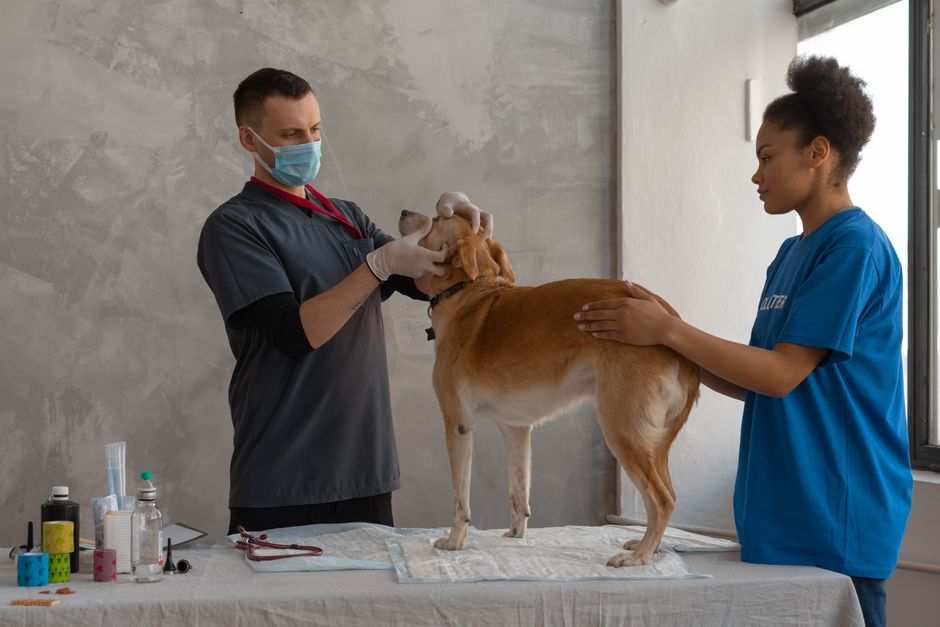
When you schedule an appointment for a skin or respiratory concern, our veterinarians will perform a thorough examination, which may include skin scrapings, cytology, or fungal cultures to identify infections. For pets with persistent itching or recurrent hot spots, our dermatology services provide targeted solutions to soothe your pet’s discomfort and restore skin health.
If your pet shows signs of a respiratory infection, such as coughing or nasal discharge, our veterinarians may recommend diagnostic tests, including bloodwork or imaging, to rule out underlying conditions. Treatment options involve medications to address infections, anti-itch therapies, and supportive care to keep your pet comfortable.
For paw problems like pododermatitis, our team will clean and treat affected areas, provide topical or oral medications as needed, and offer guidance on keeping your pet’s feet dry and protected during wet weather. If parasites are a concern, we may perform fecal testing and recommend appropriate deworming or preventive medications.
Preventing Dew and Rain-Related Pet Health Problems at Home
Protecting your pet from moisture-related health issues begins with a few simple daily habits. After walks or outdoor play, take a moment to dry your pet’s paws and underbelly with a clean towel. This prevents moisture from lingering and reduces the risk of skin infections. For dogs with long hair, regular grooming helps minimize matting and allows the skin to breathe.
Using pet-safe paw balms or barrier creams can add a layer of protection for sensitive feet, especially if your dog enjoys early morning walks when the grass is wet. Consider limiting outdoor time during or immediately after rain, particularly if your yard tends to hold water or becomes muddy.
Maintaining a clean, dry living environment is essential for indoor cats and dogs. Regularly wash bedding, vacuum carpets, and check window sills or entryways for dampness that might encourage mold or mildew. Monitoring your pet for signs of discomfort or skin changes allows you to address issues before they become serious.
Year-round parasite prevention is crucial in Estero, as wet conditions can increase exposure to fleas, ticks, and intestinal parasites. Our preventive care services include guidance on the right products and vaccination schedules to help protect your pet from these risks.
When to Contact Your Veterinarian About Moisture-Related Concerns
Some weather-related issues resolve quickly with home care, while others require prompt attention from your veterinary professionals. If your pet develops persistent redness, swelling, open sores, or foul odor from the skin or ears after exposure to dew or rain, schedule an appointment with us for a comprehensive evaluation. Additional warning signs include limping, refusal to walk, excessive licking of the paws, or any sudden change in behavior or appetite.
Respiratory symptoms, such as coughing, sneezing, difficulty breathing, or nasal discharge, may indicate an underlying infection that needs veterinary care. Diarrhea, vomiting, or signs of lethargy after time outdoors should also be addressed promptly, as these can signal parasite exposure or other health concerns.
Our veterinary team at Sandy Paws Veterinary Hospital is here to help you navigate seasonal challenges and provide expert care tailored to your pet’s needs. If you are ever unsure whether your pet’s symptoms are related to dew, rain, or another cause, reaching out to your veterinarian is always the safest option. For urgent situations, our emergency veterinary care is available to provide timely support when your pet needs it most.
Helping Your Pet Thrive—Rain or Shine
Estero’s climate brings unique joys and challenges for pet owners, especially when it comes to keeping furry friends healthy during the wetter months. By understanding the answer to, are there seasonal considerations (like dew or rain) that impact pet exposure, you can take simple steps every day to minimize risks and maximize your pet’s comfort. Remember to dry paws, keep coats clean, stay on top of parasite prevention, and watch for warning signs that may need professional care.
If you have questions about weather-related pet health or need advice on preventive strategies, our veterinarians are ready to help. When searching for a vet near me, choose a trusted local resource committed to your pet’s year-round wellbeing. To schedule an appointment or ask about our comprehensive preventive care services, call Sandy Paws Veterinary Hospital at (813) 469-5843 or visit us at 19527 Highland Oaks Dr., Suite 204, Estero, FL 33928. Your pet’s health is our top priority—rain, dew, or sunshine.
This article is for informational purposes only and is not a substitute for professional veterinary advice. If your pet is experiencing concerning symptoms, please schedule an appointment with your veterinarian for a thorough evaluation.


.jpg)
.jpg)
