
How to Protect Pets From Fleas and Ticks This May in Estero

How to Protect Pets From Fleas and Ticks This May in Estero
As May brings warmer days and higher humidity to Estero, FL, many pet owners notice their dogs and cats scratching more than usual. Fleas and ticks thrive in our subtropical climate, making spring and early summer a peak season for infestations. At Sandy Paws Veterinary Hospital, we often see an uptick in itchy, uncomfortable pets as the weather heats up. Whether your pet loves lounging in the backyard or joining you on walks through local parks, these tiny parasites are always on the lookout for new hosts. In this guide, our Estero veterinary team shares expert advice on how to spot fleas and ticks early, prevent infestations, and protect your pet’s health all season long. You will also learn why regular checkups and preventive care at Sandy Paws Veterinary Hospital are essential for keeping your pets happy, comfortable, and itch-free.
Recognizing the Signs of Fleas and Ticks in Dogs and Cats
It is not always easy to spot fleas or ticks on your pet, especially before a full-blown infestation develops. Early intervention is key, so knowing what to look for can make a significant difference in your pet's comfort and health. Common signs of flea infestations in dogs and cats include persistent scratching, licking, or biting at the skin, particularly around the tail base, abdomen, and inner thighs. You might also notice small red bumps, hair loss, or scabs in these areas. Flea dirt, which looks like tiny dark specks, may appear in your pet’s fur or on bedding. This is actually flea feces and a telltale sign that fleas are present.
Ticks are typically less itchy but can still cause discomfort. You may find them attached to your pet’s skin, especially around the ears, neck, under the collar, or between toes. Ticks can become engorged as they feed, appearing as small, round bumps that were not there before. In some cases, pets may show signs of lethargy, fever, or lameness if a tick-borne disease is transmitted. If your pet seems unusually tired or is showing any new skin changes, it is important to check for external parasites and consult your veterinarian.
Why Fleas and Ticks Are a Problem in Estero This May
Estero’s warm, humid climate creates ideal conditions for fleas and ticks to multiply rapidly. As temperatures rise in May, eggs and larvae that have been dormant over winter begin to hatch, leading to a sudden increase in the parasite population. Fleas can lay hundreds of eggs in your home or yard, while ticks are often carried in on wildlife or picked up during walks near wooded or grassy areas.
Both fleas and ticks pose health risks far beyond simple itching. Fleas can transmit tapeworms and cause severe allergic reactions in sensitive pets. Even a few fleas can trigger flea allergy dermatitis, a condition that leads to intense itching and skin infections. Ticks are known carriers of diseases such as Lyme disease, ehrlichiosis, and anaplasmosis, which can affect both pets and humans. These risks make parasite prevention more than just a comfort measure; it is a vital part of your pet’s overall health care.
Professional Treatment and What to Expect From Your Veterinarian
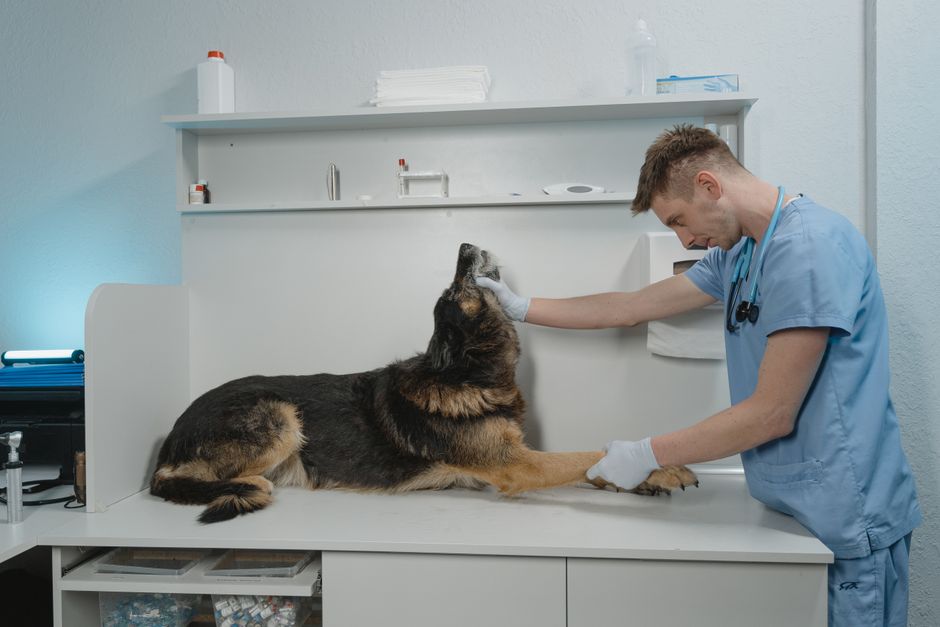
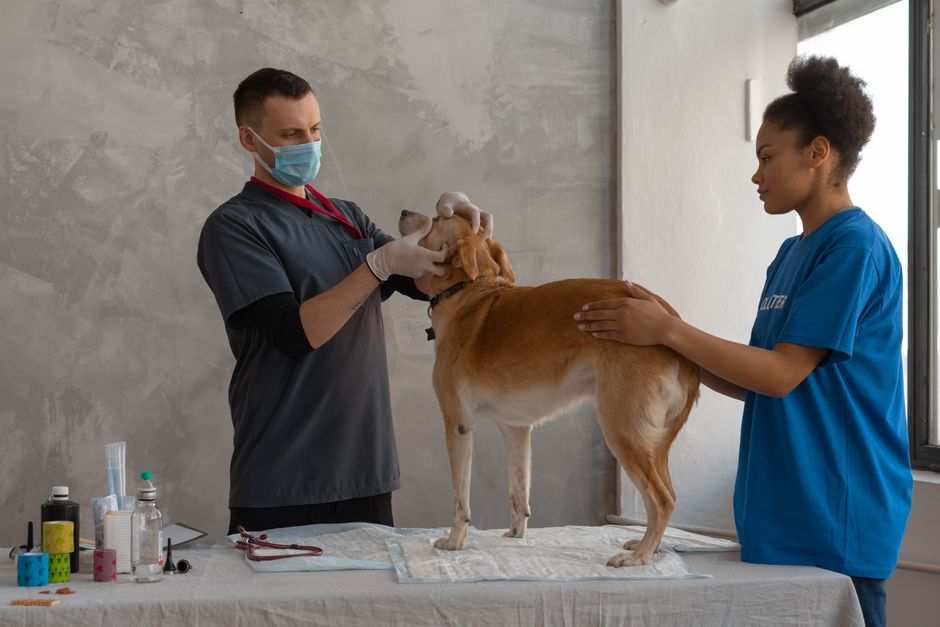
If you suspect your dog or cat is dealing with fleas or ticks, scheduling an appointment with our veterinary team at Sandy Paws Veterinary Hospital is the best first step. During your visit, we will perform a thorough physical examination and may use diagnostic techniques to confirm the presence of parasites. In some cases, additional tests might be recommended if your pet is showing signs of illness related to flea- or tick-borne diseases.
Treatment options typically involve prescription-strength topical or oral medications that effectively eliminate adult fleas and ticks while also targeting immature life stages. Our veterinarians will help you choose the most appropriate product based on your pet’s age, health status, and lifestyle. In cases of heavy infestations, additional steps such as medicated baths or environmental treatments may be advised to break the life cycle and prevent reinfestation.
We also provide guidance on controlling fleas and ticks in your home and yard to reduce the risk of recurring problems. If your pet has developed skin irritation or secondary infections, we might recommend supportive care including medicated shampoos or anti-itch therapies. To learn more about how we address skin conditions caused by parasites, you can explore our dermatology services for pets.
Preventing Fleas and Ticks at Home: Practical Steps for Pet Owners
Prevention is always easier than treatment when it comes to fleas and ticks. Consistent use of veterinarian-recommended preventive products is the cornerstone of parasite control. These are available in various forms, such as monthly topicals, chews, or collars, and our team can help you select the safest and most effective option for your pet.
Maintaining a clean home environment plays a major role in reducing flea eggs and larvae. Regularly vacuuming carpets, rugs, and upholstery, as well as washing your pet’s bedding in hot water, will help minimize the presence of immature fleas. Outdoor prevention involves keeping your yard mowed and free of brush where ticks might hide. If you walk your dog in wooded areas or tall grass, checking them thoroughly after each outing is important for catching ticks early.
Year-round prevention is especially important in Estero, where mild winters allow fleas and ticks to survive throughout the year. Even indoor pets are not immune, as fleas can hitch a ride inside on clothing or other animals. Our preventive care services for pets are designed to create a customized plan that fits your pet’s needs and risk factors. For further reading on best practices and the latest guidelines, the Companion Animal Parasite Council (CAPC) and American Veterinary Medical Association (AVMA) offer excellent resources on parasite protection.
When to Seek Veterinary Care for Fleas and Ticks
While some mild infestations may be managed at home with guidance from your veterinarian, there are clear situations when professional care is needed. If your pet is scratching excessively, losing hair, developing red or irritated skin, or if you find visible fleas or ticks, it is time to contact Sandy Paws Veterinary Hospital. Prompt intervention is especially important if your pet is young, elderly, or has a chronic medical condition, as complications can arise quickly.
If you notice signs of illness such as fever, lethargy, joint pain, or loss of appetite after finding a tick, these may indicate a tick-borne disease that requires immediate attention. Our veterinary professionals can advise you on the best steps to take and help prevent complications. Regular checkups, even when your pet seems healthy, are also crucial for catching problems early and ensuring your prevention plan is working as intended.
Keeping Your Pet Itch-Free: Partnering With Sandy Paws Veterinary Hospital
Protecting your pet from fleas and ticks in Estero is an ongoing effort, but you do not have to do it alone. As your trusted local veterinary partner, Sandy Paws Veterinary Hospital is committed to providing the guidance and care your pet needs to stay healthy and comfortable year-round. Our team offers personalized recommendations, effective prevention products, and thorough exams to keep parasites at bay.
If you are searching for a veterinarian near me who understands the unique challenges of parasite control in Estero and surrounding communities, look no further than our compassionate team. To schedule an appointment or discuss your pet’s flea and tick prevention needs, call us at (813) 640-4796 or visit us at 19527 Highland Oaks Dr., Suite 204, Estero, FL 33928. Together, we can make sure your dog or cat enjoys a comfortable, itch-free season both indoors and out.
For additional information on how we support your pet’s health throughout the year, explore our preventive care services for pets. Remember, early action is the best defense against fleas and ticks—reach out today to protect your pet’s well-being.


.jpg)
.jpg)
