Hurricane Season Prep: Protecting Your Pet in Estero
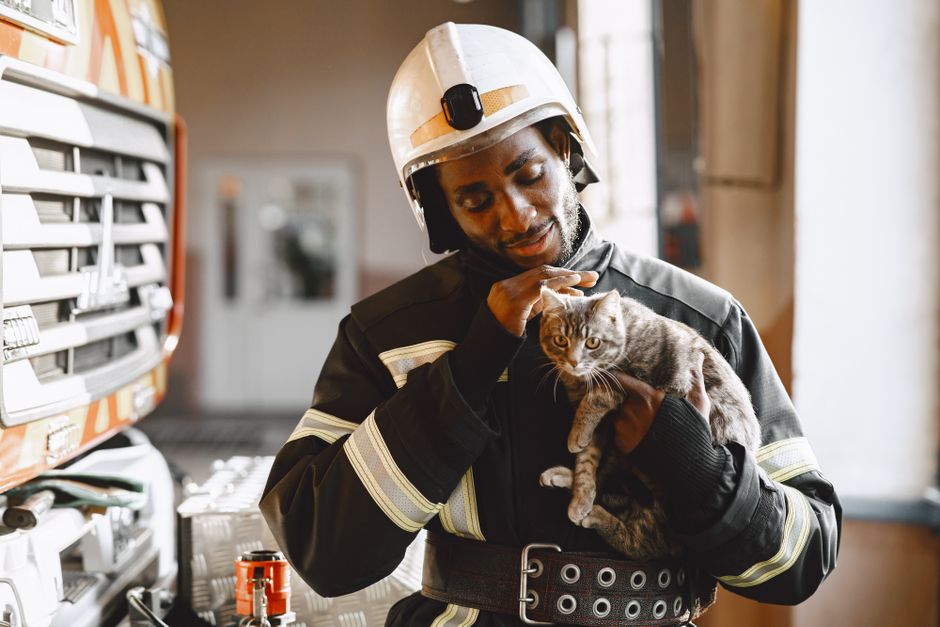
Hurricane Season Prep: Protecting Your Pet in Estero
As hurricane season draws to a close in Estero, FL, October can still bring unpredictable storms that catch even the most prepared pet owners off guard. At Sandy Paws Veterinary Hospital, we understand that your dog or cat is a cherished member of your family, and their safety is just as important as your own during severe weather. Whether you’re a longtime resident or new to Southwest Florida, knowing how to keep your four-legged friend safe when a hurricane strikes is essential. In this guide, we’ll walk you through the key steps for hurricane preparedness, including building a pet emergency kit, creating an evacuation plan, and providing comfort for your pet during stressful times. Our compassionate veterinary team at Sandy Paws Veterinary Hospital is here to help you protect your pet, whether you need advice, same-day appointments, or guidance on emergency veterinary care as storms approach.
Recognizing Storm-Related Risks for Dogs and Cats
Hurricane season in Estero presents a unique set of challenges for pets. Heavy rains, high winds, and the threat of flooding can cause anxiety in animals, disrupt their routines, and even put their lives at risk. Recognizing how these conditions affect your pet is the first step toward effective preparation.
Common signs that your dog or cat is stressed or frightened by an approaching storm include pacing, trembling, hiding, excessive vocalization, or seeking constant reassurance from you. Some pets may try to escape, especially if loud thunder or sudden changes in barometric pressure trigger their anxiety. Additionally, flooding and debris can lead to injuries, exposure to contaminated water, or encounters with displaced wildlife.
If your pet typically becomes anxious during regular thunderstorms, those reactions may intensify during a hurricane. Understanding these behaviors helps you take proactive measures to reduce their distress and keep them safe both during and after a storm.
Why Pet Hurricane Preparedness Matters in Estero
Southwest Florida’s hurricane-prone climate makes preparedness a necessity for every pet owner. Hurricanes can develop quickly, leaving little time to gather supplies or make evacuation decisions. Local shelters may not accept animals, and hotels that accommodate pets often fill up fast during mandatory evacuations.
In the aftermath of a storm, access to veterinary care, medications, and pet food may be limited due to power outages or road closures. Planning ahead ensures that your pet won’t be left behind or put at risk if you need to evacuate on short notice. Being prepared also means you can focus on your own safety, knowing you have a plan in place for your dog or cat.
Our team at Sandy Paws Veterinary Hospital has seen firsthand how a well-thought-out emergency plan can prevent panic, reduce injury, and save lives. We encourage all pet owners in Estero and surrounding communities to treat hurricane preparedness as an essential part of responsible pet care.
Creating a Pet Emergency Kit: What Every Estero Pet Owner Needs
One of the most important steps in hurricane preparedness is assembling a pet emergency kit. This kit should be ready to go at a moment’s notice, stored in a waterproof container, and kept in an easily accessible location.
Your pet’s emergency kit should include enough food and water for at least three to five days, along with bowls, a manual can opener if your pet eats canned food, and any medications with clear dosage instructions. Include copies of your pet’s medical records, proof of vaccinations, recent photos, and identification tags with up-to-date contact information. A sturdy carrier or crate is essential for transporting your pet safely, as well as a leash and harness for dogs or a secure carrier for cats.
Other important items are familiar bedding or a favorite toy to help reduce anxiety, waste bags, litter and a litter box for cats, and cleaning supplies for accidents. A basic first aid kit should contain bandages, antiseptic wipes, and any special instructions from your veterinarian for chronic health conditions.
If your pet is microchipped, verify that your contact information is current in the microchip registry. This increases the chances of being reunited if you become separated during an evacuation.
Building an Evacuation Plan That Includes Your Pet
Having a clear evacuation plan is vital for your pet’s safety. Identify pet-friendly shelters, hotels, or friends’ homes outside evacuation zones before hurricane season begins. Keep a list of these locations and their contact details in your emergency kit.
When a storm approaches, monitor local news and weather alerts carefully. If authorities recommend evacuation, do not leave your pet behind. Even if you usually keep your dog or cat indoors, sudden surges or damage to your home can endanger a pet left unattended.
Practice loading your pet into their carrier or vehicle so the process is less stressful if you need to leave quickly. Make sure your pet is comfortable riding in the car and is familiar with their travel crate or harness. Planning your route in advance, including alternative paths if roads are closed, helps you avoid unnecessary delays.
Our veterinary team recommends having a backup caregiver in place—someone who can reach your home if you are away when a storm threatens. Sharing your plan with neighbors or friends ensures your pet will be cared for, even in your absence.
Stress Reduction Tips for Pets During Storms
Storms and evacuations are stressful for pets, but there are steps you can take to make the experience less frightening. Creating a safe, quiet space within your home, such as a windowless bathroom or interior room, gives your pet a sense of security during high winds and loud noises.
Play calming music or use white noise to mask sounds from the storm. For pets with severe anxiety, consult your veterinarian about possible strategies or medications that can help keep them calm. Familiar objects, such as a favorite blanket or toy, offer comfort and reassurance.
Sticking to your pet’s normal feeding and exercise routine as much as possible during a storm or evacuation helps maintain a sense of normalcy. Remember to offer praise and affection, as your calm presence provides reassurance.
For more information on managing pet stress and emergency situations, the ASPCA’s resources are a helpful reference for pet owners.
Preventive Veterinary Care: Preparing for the Unexpected
Routine veterinary care is an important part of hurricane preparedness. Ensuring your pet’s vaccinations are current reduces the risk of disease exposure in shelters or boarding facilities. Annual wellness exams also give you a chance to discuss any health conditions that could affect your pet during an evacuation or stressful event.
Our preventive healthcare services include comprehensive checkups, parasite prevention, and advice on preparing your pet for emergencies. If your dog or cat requires regular medication, speak with our veterinary team about having an extra supply on hand during hurricane season.
Keep your veterinarian’s contact information and your pet’s medical records in your emergency kit. This allows for quick access to necessary care, whether you remain in Estero or need to seek help elsewhere. If you have questions about specific preventive measures, our veterinarians can guide you in developing a personalized plan for your pet.
When to Seek Veterinary Care Before, During, or After a Hurricane
Knowing when to reach out for professional help can save your pet’s life. Contact your veterinarian immediately if your dog or cat has a chronic illness and runs out of medication, sustains an injury, or shows signs of distress that you cannot manage at home. Symptoms such as persistent vomiting or diarrhea, difficulty breathing, severe lethargy, or uncontrolled bleeding require urgent medical attention.
After a storm, keep a close eye on your pet for signs of injury, exposure to contaminated water, or unusual behavior. Floodwaters often carry harmful bacteria and debris, so avoid letting your pet drink from outside sources or walk in standing water. If you notice wounds, limping, coughing, or changes in appetite, schedule an appointment with our veterinary team as soon as possible.
Our hospital offers same-day appointments and emergency care services for pets in Estero and the surrounding areas. If you are concerned about your pet’s health during or after a hurricane, do not hesitate to reach out for guidance and support.
Resources and Local Support for Estero Pet Owners
In addition to the support available at Sandy Paws Veterinary Hospital, several organizations offer resources on disaster preparedness for pets. The American Veterinary Medical Association provides detailed checklists, planning tools, and emergency contacts to help you safeguard your pet during natural disasters. Local animal shelters and emergency management agencies also publish updates during hurricane season; staying informed ensures you have the latest information on evacuation routes and pet-friendly shelters.
Give Your Pet the Best Protection This Hurricane Season
Hurricane season is a stressful time for everyone in Estero, but with the right preparation, you can keep your dog or cat safe no matter what the weather brings. From assembling an emergency kit to creating an evacuation plan and ensuring your pet’s health is up to date, these proactive steps offer peace of mind for you and your four-legged companion.
If you have questions about storm preparedness, need to update your pet’s vaccinations, or would like advice tailored to your pet’s specific needs, the veterinary team at Sandy Paws Veterinary Hospital is here for you. Schedule an appointment today by calling (813) 469-5843, and let us help you create a hurricane plan that protects every member of your family. When searching for a veterinarian near me in Estero, trust our experienced team to provide the comprehensive care your pet deserves—before, during, and after the storm.
For additional advice on preparing your pet for emergencies, explore our preventive healthcare services or contact us for personalized support. Your pet’s safety is always our top priority.