
Pet Gastrointestinal Health: Key Signs and Prevention Tips
Pet Gastrointestinal Health: Key Signs and Prevention Tips
Worried about your dog or cat struggling with tummy troubles as Estero’s heat and humidity ramp up in May? Stomach upsets, vomiting, and diarrhea are among the top reasons pet owners bring their furry companions to Sandy Paws Veterinary Hospital. As your source for full-spectrum veterinary care here in Estero and surrounding communities, our team knows how distressing it can be when your pet’s digestive health isn’t at its best. In this guide, we’ll help you recognize the most important signs of pet gastrointestinal health problems, explain the common causes for dogs and cats, and share practical prevention tips so your pet can feel their best all season.
We’ll also cover when it’s time to schedule an appointment with our veterinary team at 19527 Highland Oaks Dr., Suite 204, Estero, FL 33928, and how our comprehensive services—ranging from preventive care to internal medicine and emergency support—can help address every aspect of pet gastrointestinal health. Whether you’re facing sudden symptoms or want to keep your pet healthy through the challenges of Florida’s climate, this blog offers expert veterinary advice you can trust.
Recognizing Signs of Gastrointestinal Trouble in Pets
Most pet owners notice immediately when their dog or cat has an upset stomach, but some symptoms of pet gastrointestinal health problems are more subtle. Key signs include vomiting (with or without food), diarrhea, constipation, loss of appetite, and abdominal discomfort. You might notice your pet straining to defecate, making frequent trips outside or to the litter box, or even licking their lips or swallowing excessively, which can signal nausea.
Other warning signs are weight loss over several weeks, changes in stool color or consistency, passing gas more frequently, or visible discomfort when their belly is touched. Lethargy or reduced activity often goes hand-in-hand with gastrointestinal issues; pets may become withdrawn or less interactive. If you notice blood in your pet’s stool or vomit, persistent vomiting or diarrhea, or signs of dehydration such as dry gums and sunken eyes, these require prompt veterinary attention.
While mild, short-lived digestive upsets can occur in any animal, persistent or severe symptoms are never normal and always warrant a professional evaluation. Comprehensive pet exams at Sandy Paws Veterinary Hospital are designed to assess your pet’s overall health and identify underlying causes for gastrointestinal concerns.
Common Causes of Pet Gastrointestinal Health Problems
A wide range of factors can contribute to digestive upset in dogs and cats, especially during the warmer months in Estero. Dietary indiscretion—when pets eat things they shouldn’t such as table scraps, garbage, or unfamiliar treats—is a leading cause. Sudden changes in food, consuming rich or fatty foods, or ingesting foreign objects can all trigger vomiting and diarrhea.
Infections are another key concern. Bacterial, viral, or parasitic agents picked up from the environment, contaminated water, or other animals can lead to acute or chronic digestive issues. Here in Florida, parasites such as roundworms, hookworms, and Giardia are prevalent, especially during the damp, humid months. Regular parasite prevention and fecal testing are crucial for your pet’s gastrointestinal health.
Food allergies or sensitivities may also play a role, particularly in pets with recurring symptoms. Underlying medical conditions such as pancreatitis, inflammatory bowel disease, kidney or liver dysfunction, or even certain cancers can present with digestive symptoms. Stress, anxiety, and heat can further upset sensitive stomachs, making gastrointestinal flare-ups more common in spring and summer.
Finally, medications or toxins—including common houseplants, human foods like chocolate or grapes, and even some medications—can trigger dangerous digestive reactions. If you suspect your pet has ingested something toxic, contact your veterinarian immediately.
How Pet Gastrointestinal Health Issues Are Treated
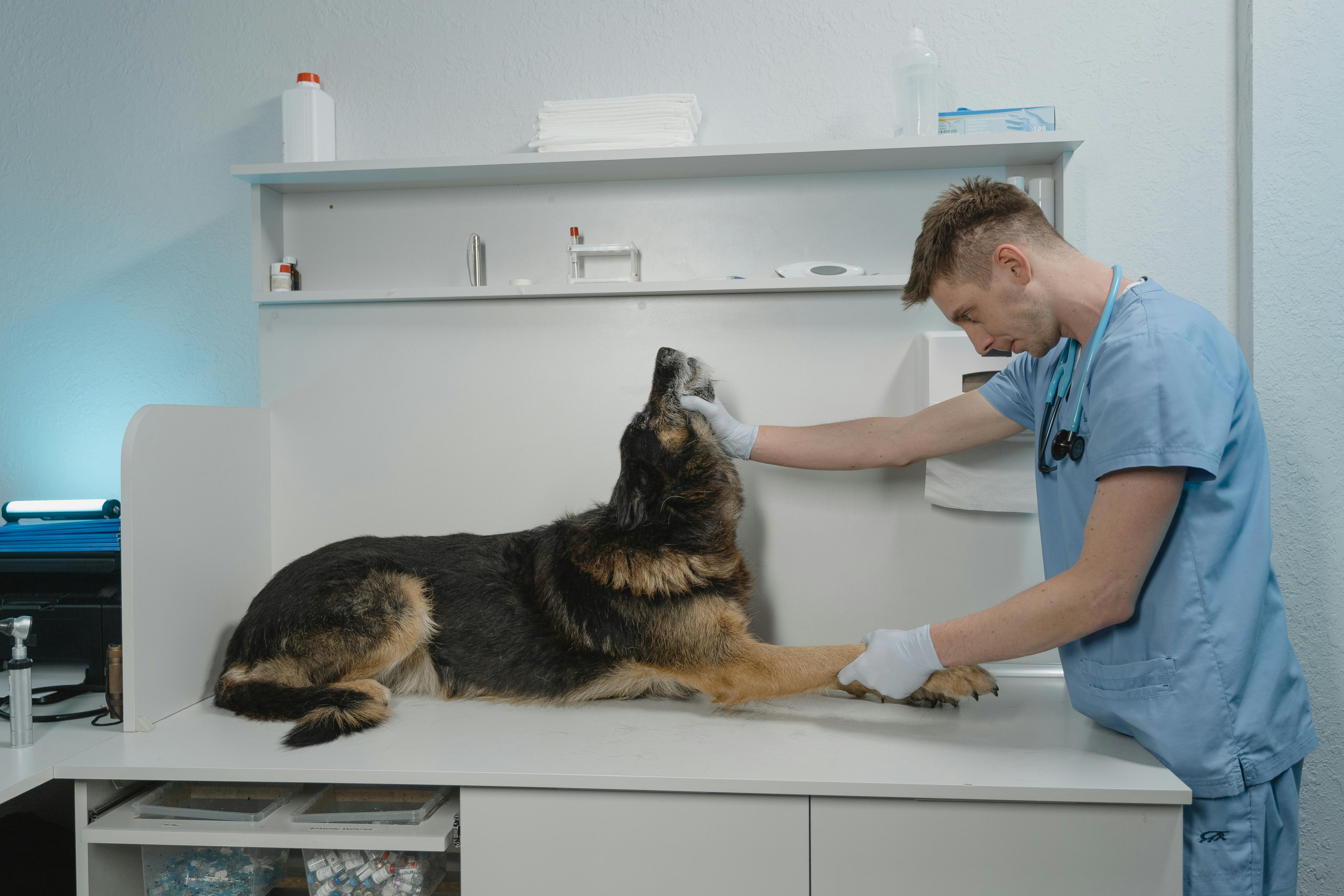
When your pet arrives at Sandy Paws Veterinary Hospital with digestive complaints, our approach begins with a thorough conversation about their symptoms, recent diet, environment, and lifestyle. Physical examination helps pinpoint pain, bloating, or tenderness. Depending on your pet’s history, we may recommend diagnostic testing such as bloodwork, fecal analysis, X-rays, or ultrasound to identify infections, blockages, or underlying diseases.
Treatment for pet gastrointestinal health conditions is tailored to the cause and severity. For mild, short-lived symptoms, supportive care such as a bland diet, hydration, and rest may be all that’s needed. More significant cases, especially those involving dehydration or ongoing vomiting and diarrhea, may require in-clinic care with intravenous fluids, anti-nausea medications, and close monitoring.
If a bacterial or parasitic infection is identified, appropriate medications are prescribed. Pets with food sensitivities benefit from prescription diets or carefully managed home-cooked diets under veterinary guidance. When symptoms are related to chronic conditions like inflammatory bowel disease, ongoing management may include medications, dietary changes, and routine monitoring.
In rare but serious cases, such as intestinal blockages or suspected ingestion of toxins, surgical intervention or advanced medical care may be necessary. Our internal medicine services are equipped to handle a wide spectrum of complex gastrointestinal conditions, ensuring your pet receives comprehensive, state-of-the-art care.
Preventing Gastrointestinal Issues: Home Care and Proactive Steps
The best way to support your pet’s gastrointestinal health is through prevention. Start with a consistent, high-quality diet that’s appropriate for your pet’s age, size, and medical needs. Avoid feeding table scraps, fatty leftovers, or unfamiliar treats, and keep garbage, harmful foods, and household toxins safely secured.
Gradual transitions between foods help minimize digestive upset. When introducing new treats or diets, mix them in slowly over a week or more. Ensure your pet has access to clean, fresh water at all times—especially in Estero’s warm, humid climate, where dehydration can happen quickly.
Regular parasite prevention, as recommended by your veterinarian, is essential in Florida. Routine fecal testing and year-round use of vet-approved heartworm and intestinal parasite preventives protect your pet from many common causes of GI upset. Keep outdoor areas clean, pick up waste promptly, and monitor your pet during walks or playtime to prevent them from eating unknown substances.
Stress reduction also plays a role. Offer your pet a calm, predictable environment and plenty of enrichment to reduce anxiety-driven digestive issues. For pets with a history of food allergies or sensitivities, work with your veterinarian to identify trigger ingredients and develop a safe, balanced diet.
Staying up-to-date with preventive care, including wellness exams and vaccinations, lays the foundation for lasting gastrointestinal health and helps catch problems early—before they become emergencies.
When to Seek Veterinary Care for Your Pet
Some mild stomach upsets resolve within a day or two, but certain signs should prompt a call to your veterinary team right away. Seek immediate care if your pet experiences repeated vomiting or diarrhea lasting longer than 24 hours, blood in vomit or stool, signs of pain or bloating, refusal to eat or drink, or any symptoms of dehydration such as dry gums, sunken eyes, or lethargy.
Kittens, puppies, senior pets, and those with chronic conditions are especially vulnerable to rapid dehydration and complications from GI illnesses. If your pet has swallowed a foreign object, ingested something toxic, or seems to be in severe pain, don’t wait—contact your veterinarian as soon as possible.
At Sandy Paws Veterinary Hospital, our team of veterinarians is committed to helping pets in Estero and surrounding communities feel their best. Same-day appointments are often available, so you never have to wait long for peace of mind. If you’re searching for a veterinarian near me who can provide expert care for pet gastrointestinal health, our compassionate team is ready to help.
Supporting Your Pet’s Digestive Wellness in Estero
Gastrointestinal problems are never pleasant for pets or their owners, but with prompt recognition, professional care, and a proactive approach to prevention, you can help your furry family member enjoy a happy, healthy life. Sandy Paws Veterinary Hospital is dedicated to supporting every aspect of your pet’s gastrointestinal health—from early intervention to ongoing wellness.
If your dog or cat is showing signs of digestive upset, don’t wait for things to get worse. Schedule an appointment for a comprehensive pet exam or discuss your concerns with our veterinary team. You can find us at 19527 Highland Oaks Dr., Suite 204, Estero, FL 33928, or call (813) 640-4796 to book your visit.
For more trusted pet health information, the American Veterinary Medical Association and Veterinary Partner offer excellent resources. Remember, when it comes to pet gastrointestinal health, your veterinarian is your best partner in keeping your companion happy and well—today and in every season.



.jpg)
.jpg)
