
Pet Gastrointestinal Health: Preventing Digestive Issues in Dogs and Cats
Pet Gastrointestinal Health: Preventing Digestive Issues in Dogs and Cats
As a pet owner, few things are more distressing than seeing your dog or cat struggle with digestive problems. From bouts of vomiting to persistent diarrhea, gastrointestinal (GI) issues can disrupt your pet’s comfort and well-being. At Sandy Paws Veterinary Hospital, located in 19527 Highland Oaks Dr., Suite 204, Estero, FL 33928, we understand how important pet gastrointestinal health is to families throughout Estero and the surrounding communities. This blog will guide you through the most common causes of digestive issues in dogs and cats, warning signs to watch for, and what you can do at home to support your pet’s gut health. We’ll also explain how our veterinary team works to keep your pet’s digestive system healthy and when it’s time to schedule an appointment for professional help.
Whether your companion is experiencing mild tummy troubles or you simply want to prevent future problems, understanding pet gastrointestinal health can make all the difference. Let’s explore what every pet owner should know about maintaining a healthy digestive tract for their dog or cat.
Recognizing Digestive Problems in Dogs and Cats
Gastrointestinal issues can present in a variety of ways, and being able to spot the early signs is crucial for prompt care. Common symptoms of digestive upset in pets include vomiting, diarrhea, constipation, loss of appetite, excessive gas, abdominal discomfort, and sudden changes in stool consistency or color. You might also notice your pet acting lethargic, refusing treats, or straining during bowel movements. Cats may groom excessively around their abdomen or hide more than usual, while dogs might whine, pace, or attempt to eat grass in response to nausea.
It’s important to note that while an isolated episode of vomiting or diarrhea can occur in otherwise healthy pets, repeated or severe symptoms should never be ignored. Pets struggling with ongoing digestive symptoms can quickly become dehydrated, especially in the warm, humid climate of Estero. Monitoring your pet’s behavior and bowel habits can provide valuable clues about their gastrointestinal health and help you decide when to reach out to the team at Sandy Paws Veterinary Hospital.
What Causes Digestive Issues in Pets?
Understanding what triggers digestive problems in dogs and cats can help you prevent many common GI upsets. Dietary indiscretion, such as eating spoiled food, garbage, or unfamiliar treats, is a frequent culprit. Abrupt changes in diet, food intolerances, and sensitivities to certain ingredients can also lead to upset stomachs. In kittens and puppies, exploring the world with their mouths sometimes means ingesting non-food items that can obstruct or irritate the GI tract.
Parasites, including roundworms, hookworms, and giardia, are another major cause of gastrointestinal disturbances, particularly in pets that spend time outdoors or in multi-pet households. Infectious diseases, bacterial overgrowth, and viral illnesses can also cause vomiting and diarrhea. Additionally, stress from changes in routine, travel, or new household members may trigger digestive issues, especially in sensitive pets.
Some pets suffer from chronic conditions such as inflammatory bowel disease, pancreatitis, or food allergies, which require ongoing management. Even dental disease can affect digestion by making it painful for your pet to chew their food properly. For pets experiencing more complicated or persistent symptoms, our internal medicine services are available to diagnose and address underlying causes.
How Our Team Diagnoses and Treats Gastrointestinal Problems
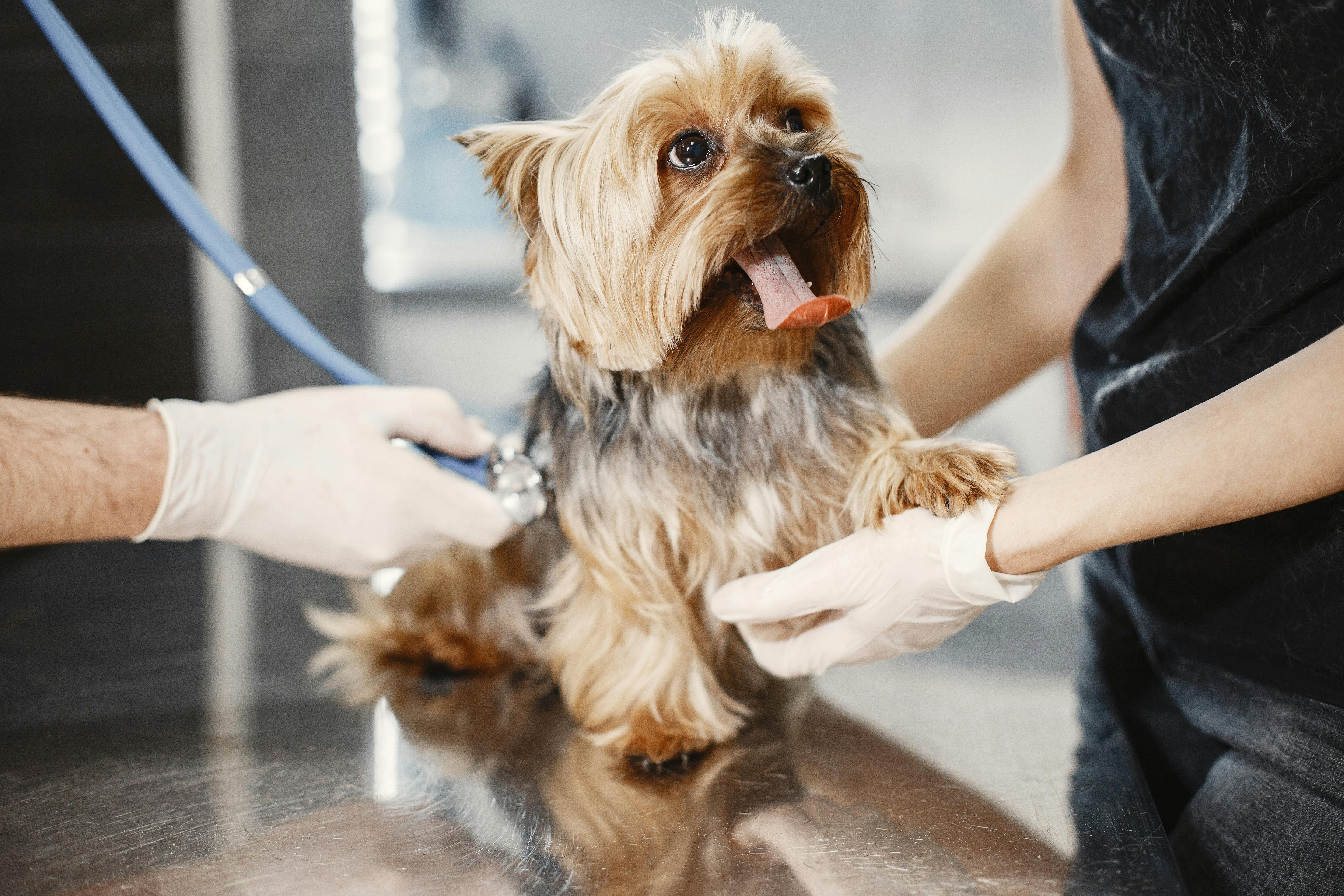
When you bring your pet to Sandy Paws Veterinary Hospital for signs of digestive upset, our veterinarians begin with a thorough physical examination and detailed discussion of your pet’s history. Diagnostic testing may include fecal exams to check for parasites, bloodwork to assess organ function, and imaging such as abdominal X-rays or ultrasound to rule out obstructions or other abnormalities.
Treatment depends on the underlying cause. For mild cases, supportive care might involve a bland diet, probiotics, and hydration. If parasites are identified, targeted deworming medications are prescribed. Bacterial infections may require antibiotics, while chronic inflammatory conditions sometimes call for dietary changes or longer-term management plans. In some situations, advanced diagnostics or even surgical intervention may be necessary if a foreign body or mass is found.
Our veterinary team takes a compassionate, individualized approach to every case. We understand that GI symptoms can be distressing for both pets and their owners, and we strive to explain every step of the process so you feel confident in the care your pet receives.
Preventing Digestive Issues at Home
Supporting pet gastrointestinal health starts with good nutrition and careful management at home. Feeding your pet a balanced, veterinarian-recommended diet and avoiding sudden food changes can help keep their digestive system stable. Always provide plenty of fresh, clean water, especially during hot Florida months when dehydration risk increases.
Prevent access to garbage, table scraps, and toxic foods like chocolate, grapes, onions, and fatty leftovers. Pick up toys and household objects that could be accidentally swallowed, particularly with young or playful pets. Regular deworming and prompt removal of feces from the yard or litter box help minimize parasite exposure.
Keeping your pet’s stress levels in check is also important. Try to maintain a consistent daily routine, offer safe spaces for rest, and introduce new experiences gradually. For pets with known sensitivities, work with our team to identify and avoid dietary triggers. Routine wellness examinations allow our veterinarians to monitor your pet’s health and catch potential problems early, before they escalate.
For additional tips on preventing illness, our preventive care services provide comprehensive support to help your pet thrive.
When Should You Contact a Veterinarian?
Some digestive issues can resolve quickly on their own, but certain symptoms require prompt veterinary attention. You should contact us right away if your pet experiences repeated vomiting or diarrhea lasting more than 24 hours, blood in vomit or stool, severe abdominal pain, bloating, sudden lethargy, refusal to eat or drink, or signs of dehydration such as sunken eyes, dry gums, or loss of skin elasticity.
Young puppies and kittens, elderly pets, and those with chronic health conditions are especially vulnerable to complications from GI problems and should be evaluated at the first sign of trouble. If you are ever unsure whether your pet’s symptoms warrant a trip to the veterinarian, it is always better to err on the side of caution. Our veterinarians are here to answer your questions and guide you on the best course of action for your dog or cat’s unique needs.
Keeping Your Pet’s Gut Healthy for Life
Prioritizing pet gastrointestinal health is one of the most important things you can do to ensure your companion’s comfort and longevity. By staying attentive to changes in eating habits, stool quality, and overall energy, you can catch potential issues early and partner with our veterinary team to address them quickly. Preventive measures at home, paired with regular veterinary visits, are the foundation of a healthy digestive tract.
If you notice signs of GI upset or simply want to be proactive about your pet’s gut health, Sandy Paws Veterinary Hospital is here to help. Our experienced veterinarians serve Estero and surrounding communities with the full spectrum of care, from routine checkups to advanced diagnostics. When you search for a veterinarian near me, trust that our hospital is dedicated to providing thorough, compassionate care for your four-legged family members.
To schedule an appointment or speak with our veterinary professionals about pet gastrointestinal health, call (813) 469-5843 or visit us at 19527 Highland Oaks Dr., Suite 204, Estero, FL 33928. Our team looks forward to supporting your dog or cat’s digestive wellness at every stage of life.
For additional trusted resources on pet health and GI concerns, you can visit the American Veterinary Medical Association or Veterinary Partner. Remember, your pet’s health and happiness start from the inside out, and we’re here to help every step of the way.



.jpg)
.jpg)
