
Pet Gastrointestinal Health: Preventing Tummy Troubles in Summer

Pet Gastrointestinal Health: Preventing Tummy Troubles in Summer
As summer arrives in Estero, FL, many pet owners find themselves worrying about their dog or cat’s digestive health. Changes in routine, warmer weather, and increased outdoor activities can all contribute to a rise in gastrointestinal issues for pets during the summer months. At Sandy Paws Veterinary Hospital, we understand how important pet gastrointestinal health is for your companion’s comfort and overall wellbeing. This blog will guide you through the most common tummy troubles affecting dogs and cats in our area, signs to watch for, why these problems tend to spike in summer, effective treatment options, and how to prevent digestive upsets so your pet can enjoy a happy, healthy season. Whether you live in Estero or a nearby community, our team of veterinarians is here to support your pet’s health with same-day appointments and a full spectrum of care at 19527 Highland Oaks Dr., Suite 204, Estero, FL 33928.
Recognizing Tummy Troubles: Signs of Gastrointestinal Issues in Pets
Gastrointestinal upset is one of the most common reasons pet owners seek veterinary care, especially during the warmer months. Understanding what to look for can help you catch problems early and prevent serious complications. Typical signs of digestive distress in pets include vomiting, diarrhea, loss of appetite, excessive drooling, flatulence, abdominal pain, and changes in stool consistency or frequency. Some pets may also display lethargy, weight loss, or dehydration if the issue persists. In dogs, you might notice them posturing uncomfortably or asking to go outside more frequently. Cats may hide, refuse food, or even vocalize more than usual when their stomachs are upset. If you notice blood in vomit or stool, persistent vomiting or diarrhea, or sudden behavioral changes, these can indicate a more serious underlying problem and warrant immediate attention.
Seasonal factors can amplify these symptoms. For example, higher temperatures can accelerate spoilage of food and water, leading to bacterial overgrowth. Additionally, summer brings more opportunities for pets to ingest foreign objects or toxic substances outdoors, increasing the risk of blockages or poisonings. If your pet’s symptoms are mild and short-lived, they may recover with supportive care at home, but ongoing or severe signs should always be evaluated by a veterinary professional.
Why Summer Upsets Happen: Common Causes of Digestive Problems
The summer season in Southwest Florida creates unique challenges for pet gastrointestinal health. One of the leading culprits is dietary indiscretion, where pets consume something they should not—leftover picnic scraps, spoiled food, garden plants, or even debris picked up during walks. The increased presence of insects and wildlife can tempt pets to eat things like frogs or insects, which may carry parasites or toxins. Additionally, sudden changes in diet, such as treats from a barbecue or new foods introduced during family gatherings, can overwhelm your pet’s digestive system and result in vomiting or diarrhea.
Heat stress is another factor that can compromise digestive health. Pets are more prone to dehydration in warmer weather, and even slight changes in water intake can affect the digestive tract’s ability to function properly. Water bowls left outside can develop bacteria or algae quickly, especially in the Florida sun, which may lead to gastrointestinal infections if ingested.
Other common causes of summer digestive issues include parasites such as hookworms, roundworms, and Giardia, which thrive in warm, damp environments. Fleas and ticks, if ingested during grooming, can also transmit tapeworms. Changes in exercise routines, exposure to pool chemicals, and stress from travel or boarding can further disrupt normal gut function for both dogs and cats.
Professional Treatment Options for Pet Gastrointestinal Health
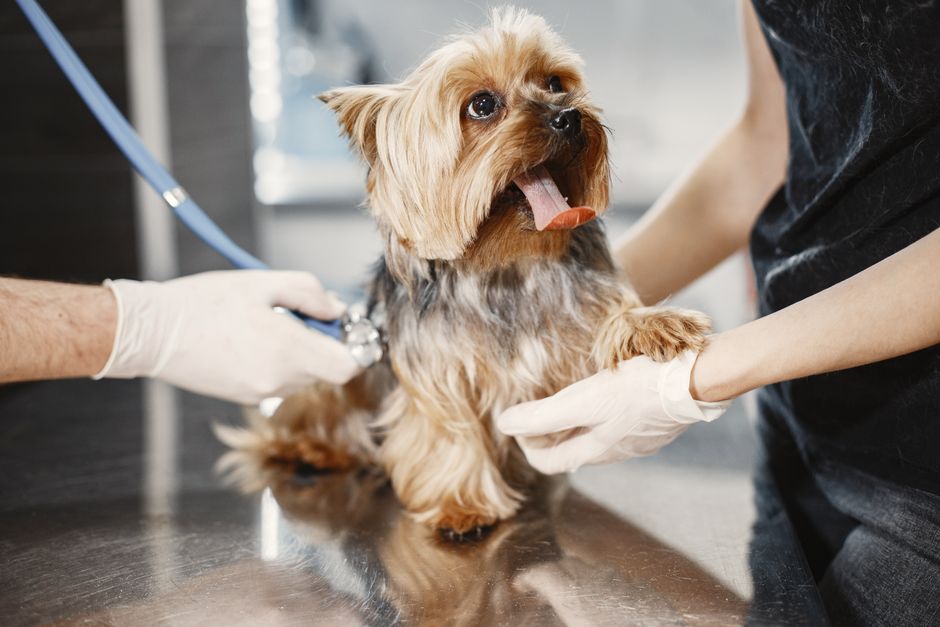
When your pet is experiencing digestive upset, prompt and appropriate veterinary attention is essential for a safe recovery. At Sandy Paws Veterinary Hospital, our approach to pet gastrointestinal health begins with a thorough history and physical examination. Our veterinarians may recommend diagnostic tests such as fecal analysis, bloodwork, abdominal radiographs, or ultrasound to determine the underlying cause of the problem. These advanced diagnostics allow us to identify infections, blockages, or metabolic conditions that might be affecting your pet.
Treatment options depend on the cause and severity of symptoms. For mild cases, supportive care often involves fluid therapy to prevent dehydration, anti-nausea or anti-diarrheal medications, and a temporary switch to a bland, easily digestible diet. More severe cases, such as those involving toxin ingestion, foreign body obstruction, or infectious disease, may require hospitalization, intravenous fluids, or even surgery. Our internal medicine services provide comprehensive care for complex digestive conditions, including chronic vomiting, inflammatory bowel disease, and food sensitivities.
Throughout treatment, our veterinary team will closely monitor your pet’s progress and adjust care as needed. We will also educate you on how to support your pet’s recovery at home and what signs to monitor for potential complications. If you ever have concerns about your pet’s digestive health, our same-day appointments mean you never have to wait long for professional support.
Preventing Tummy Troubles: Home Care Tips for Summer
Prevention is always the best medicine when it comes to pet gastrointestinal health, especially during summer in Estero and the surrounding communities. To keep your pet’s digestive system in top shape during the warm months, there are several important steps to follow. First, always provide access to clean, fresh water, changing it frequently to prevent bacterial buildup. Feed a consistent, high-quality diet and avoid sudden changes in food or treats, even during special occasions or family gatherings. Supervise your pet outdoors to prevent them from eating plants, garbage, or animal waste, and be vigilant about removing uneaten food from bowls promptly.
Regular parasite prevention is crucial, as many intestinal worms and protozoa are more prevalent in the summer. Our preventive care services can help develop a parasite control plan that fits your pet’s needs and lifestyle. Practice good hygiene by washing your pet’s food and water dishes daily and keeping their environment clean. If your pet swims in pools or natural water sources, rinse them off afterward to reduce the risk of ingesting chemicals or contaminants during grooming.
Another key aspect of prevention is scheduling routine wellness examinations, which allow our veterinary team to detect early signs of digestive issues before they become serious. These exams are also an opportunity to discuss your pet’s unique risk factors and receive personalized recommendations for nutrition, supplements, or additional screening tests.
When to Contact Your Veterinarian
It can be difficult to know when a digestive issue is minor and when it requires professional intervention. Generally, if your pet is vomiting or has diarrhea for more than 24 hours, refuses to eat or drink, appears lethargic, or shows signs of abdominal pain, it is time to schedule an appointment with your veterinarian. Other warning signs that require prompt attention include blood in the vomit or stool, persistent retching without producing anything, or evidence that your pet has eaten a foreign object.
At Sandy Paws Veterinary Hospital, we are committed to making access to care easy and stress-free. Same-day appointments are available, so you never have to worry about waiting when your pet needs help. If you are searching for a "vet near me" for urgent digestive issues, our compassionate veterinary professionals are ready to assist at our Estero location.
Expert Support for Pet Gastrointestinal Health in Estero
Summer in Southwest Florida is a wonderful time for outdoor fun, but it also brings unique challenges for your pet’s digestive health. By knowing the signs of gastrointestinal distress, understanding the most common causes, and practicing effective prevention at home, you can help ensure your dog or cat enjoys a happy, healthy season. Remember, when it comes to pet gastrointestinal health, early intervention and professional guidance make all the difference.
If you have concerns about your pet’s digestion, or if you notice persistent vomiting, diarrhea, or appetite changes, we encourage you to reach out to our veterinary team for expert support. Sandy Paws Veterinary Hospital offers comprehensive care, same-day appointments, and a commitment to your pet’s lifelong wellbeing. To schedule a visit or speak with one of our veterinarians, call (813) 469-5843 or stop by our hospital at 19527 Highland Oaks Dr., Suite 204, Estero, FL 33928. You can also explore our website for more information about wellness examinations, preventive care, and internal medicine services. We are proud to serve pet owners in Estero and the surrounding communities with compassion, expertise, and a dedication to keeping every pet’s tummy happy and healthy all year long.



.jpg)
.jpg)
