Pet Gastrointestinal Health: Prevention and Care for Dogs and Cats

Pet Gastrointestinal Health: Prevention and Care for Dogs and Cats
Digestive upsets are one of the most common reasons pet owners in Estero and surrounding communities bring their dogs and cats to see us at Sandy Paws Veterinary Hospital. Whether your pet is dealing with a mild upset stomach or more serious, ongoing digestive problems, understanding pet gastrointestinal health is essential for keeping your companion comfortable and thriving. In this blog, we'll explore the signs of gastrointestinal issues in pets, discuss the most common causes, outline how these problems are treated, and share practical tips for prevention at home. You will also learn when it's time to schedule a visit with our veterinary team at Sandy Paws Veterinary Hospital for advanced care and ongoing support. If you are worried about your pet's digestive health or looking for ways to maintain pet gastrointestinal health year-round, this guide is for you.
Recognizing Gastrointestinal Problems in Dogs and Cats
Understanding when your dog or cat may have a digestive issue is the first step in protecting their health. Pets can display a variety of symptoms when their gastrointestinal system is not functioning properly. Key symptoms include vomiting, diarrhea, loss of appetite, weight loss, and changes in stool consistency or frequency. You might also notice signs like abdominal discomfort, excessive gas, or even blood in the stool or vomit. Additionally, lethargy and dehydration can develop quickly, so it is important to watch for reduced energy levels or sunken eyes. Some pets may try to eat grass or unusual objects when their stomach is upset, and others may become noticeably withdrawn or irritable.
It is normal for dogs and cats to occasionally have a mild upset stomach, especially if they eat something unusual. However, persistent or severe symptoms should never be ignored. Chronic vomiting, ongoing diarrhea, or sudden onset of severe gastrointestinal distress can indicate more serious health concerns requiring prompt veterinary attention.
What Causes Gastrointestinal Issues in Pets?
The digestive health of your pet can be influenced by many factors. Common causes of gastrointestinal problems in dogs and cats include dietary indiscretion (such as eating trash, spoiled food, or non-food items), abrupt changes in diet, food intolerances, and infections from bacteria, viruses, or parasites. Stressful events, such as moving homes or changes in the household, can also trigger digestive upset, especially in sensitive pets.
Some gastrointestinal issues stem from underlying medical conditions. These may include chronic diseases such as inflammatory bowel disease, pancreatitis, liver or kidney dysfunction, intestinal blockages, or even certain types of cancer. Food allergies are another frequent culprit, particularly in pets with recurring symptoms. In Florida, the warm climate can also increase the risk of certain parasites and infectious diseases that can impact digestive health. Additionally, exposure to common household toxins or plants can lead to dangerous gastrointestinal symptoms; the ASPCA poison control resource and toxic plant information are valuable references for pet owners concerned about potential hazards in the home or yard.
How Our Veterinary Team Diagnoses and Treats Digestive Problems
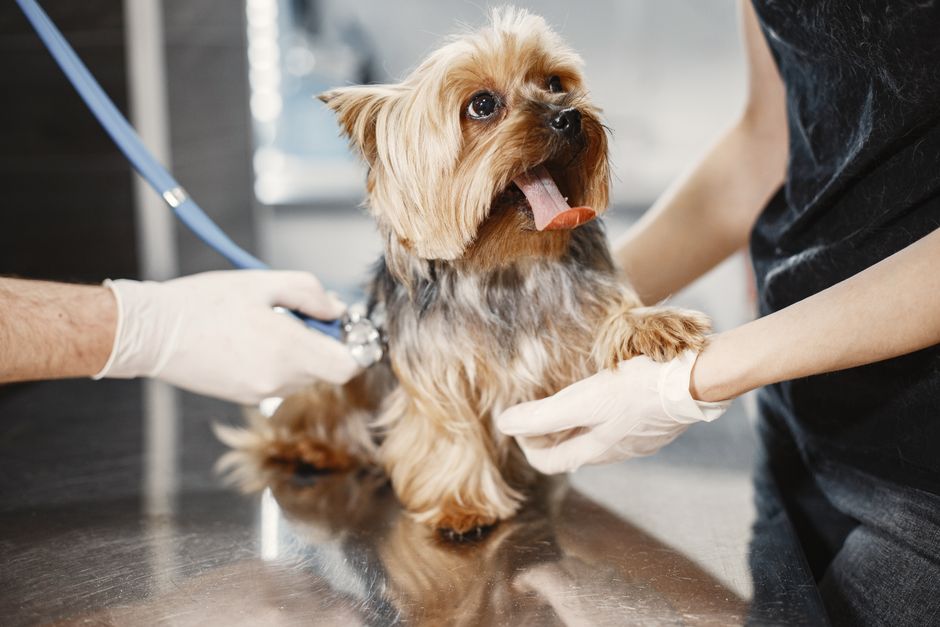
When you bring your pet to Sandy Paws Veterinary Hospital for digestive issues, our veterinarians will begin with a thorough health history and physical examination. We may recommend additional diagnostic tests to pinpoint the source of your pet’s symptoms. These may include bloodwork, fecal exams to check for parasites, and advanced imaging such as veterinary ultrasound or digital radiology to identify blockages, masses, or other internal problems. Our in-house diagnostic laboratory services allow for rapid results in urgent situations.
Treatment depends on the underlying cause and severity of the condition. For mild cases, supportive care such as anti-nausea medications, probiotics, and temporary dietary changes can help pets recover quickly. Infections are treated with appropriate medications, while parasites require targeted deworming therapies. Pets experiencing dehydration may need fluid therapy, either administered under the skin or intravenously for more serious cases. If an obstruction or foreign object is suspected, surgery might be necessary.
Chronic or recurring gastrointestinal problems often require a comprehensive approach. This may include specialized diets, ongoing medication, and regular monitoring with our internal medicine services. Our veterinary team will work closely with you to develop a treatment plan tailored to your pet’s unique needs, always focusing on comfort and long-term health.
Preventing Digestive Problems: Steps You Can Take at Home
While not every case of digestive upset can be prevented, there are many ways to protect your pet’s gastrointestinal health at home. Consistency is key; always introduce new foods gradually to avoid shocking your pet’s digestive system. Feeding a balanced, veterinarian-recommended diet and avoiding table scraps or sudden changes can significantly reduce the risk of stomach upset. Keeping garbage, toxic plants, and household chemicals securely stored will help prevent accidental ingestion of harmful substances.
Routine wellness examinations are vital in detecting early signs of digestive problems and addressing them before they become severe. Regular parasite prevention, including year-round heartworm and intestinal parasite control, is especially important in our Florida climate, where these threats are present throughout the year.
Stress management is another important part of maintaining gastrointestinal health. Providing consistent routines, safe spaces, and plenty of mental and physical enrichment can help reduce anxiety in your pet, which in turn supports a healthy gut.
When to Schedule a Veterinary Visit for Digestive Concerns
Mild stomach upsets can sometimes resolve with a short period of fasting and a bland diet, but it is important to know when professional care is needed. If your dog or cat is vomiting repeatedly, experiencing ongoing diarrhea, refusing to eat or drink, or showing signs of pain or lethargy, prompt veterinary attention is required. Additional warning signs such as blood in the stool or vomit, sudden weight loss, or collapse may signal a medical emergency. In these cases, do not delay scheduling an appointment with our veterinary team.
In some situations, especially for very young, senior, or chronically ill pets, even mild symptoms can quickly become dangerous. Our team at Sandy Paws Veterinary Hospital is committed to providing compassionate and thorough care for all aspects of pet gastrointestinal health, ensuring your pet receives the right diagnostics and treatment from the very start.
Supporting Pet Gastrointestinal Health in Estero and Beyond
Digestive health is a cornerstone of your dog or cat’s overall wellbeing. By staying alert to changes in your pet’s appetite, energy level, and bathroom habits, you play a vital role in early detection of gastrointestinal problems. Remember, prevention is always easier than treatment; maintaining a healthy diet, practicing good parasite control, and scheduling regular veterinary checkups go a long way toward protecting your companion.
If you are searching for a "vet near me" because your pet is experiencing digestive troubles or you want expert advice on supporting pet gastrointestinal health, our team at Sandy Paws Veterinary Hospital is here to help. We offer same-day appointments and a full spectrum of diagnostic and treatment options to support pet wellness in Estero and the surrounding communities. Schedule your appointment with our veterinary team today by calling (813) 469-5843 or visiting us at 19527 Highland Oaks Dr., Suite 204, Estero, FL 33928. For more information on prevention and wellness, explore our preventive care services. Your pet’s comfort, health, and happiness are always our top priorities.