Pet Gastrointestinal Health: Signs, Causes, and When to See a Vet

Pet Gastrointestinal Health: Signs, Causes, and When to See a Vet
As a pet owner in Estero, it is only natural to be concerned when your dog or cat starts experiencing digestive issues—especially in the hot, humid August weather. Stomach troubles can make your companion uncomfortable, disrupt your household, and sometimes signal a more serious underlying problem. At Sandy Paws Veterinary Hospital, we understand how distressing it can be to see your pet struggle with vomiting, diarrhea, or appetite changes. Our team at 19527 Highland Oaks Dr., Suite 204, Estero, FL 33928 is dedicated to helping pet owners recognize the signs of gastrointestinal (GI) problems, understand what might be causing them, and know when to seek veterinary care. In this guide, you will learn about the most common symptoms associated with pet gastrointestinal health, what factors can lead to digestive upsets, how we diagnose and treat these issues, and what you can do at home to promote a healthy digestive system for your dog or cat. If you are worried about your pet’s stomach problems, you are not alone—and help is always available with same-day appointments at Sandy Paws Veterinary Hospital.
Recognizing Signs of Pet Gastrointestinal Health Problems
Gastrointestinal issues in pets are often easy to spot, but sometimes the signs can be subtle. Knowing what to look for helps you catch problems early and prevent them from worsening. Common symptoms of GI distress in dogs and cats include vomiting, diarrhea, constipation, changes in appetite, excessive drooling, abdominal discomfort, and increased flatulence. You may also notice that your pet is lethargic, seems restless, or is repeatedly licking their lips. In some cases, pets with chronic GI problems will lose weight over time or develop a dull, unkempt coat due to poor nutrient absorption. Cats may also stop using the litter box if they associate it with discomfort, while dogs might have accidents in the house if diarrhea strikes suddenly. If your pet seems uncomfortable after eating, repeatedly tries to eat grass, or has visible bloating, these are important clues that their digestive system is not functioning as it should.
Sometimes, GI issues are acute and dramatic, such as sudden onset vomiting or bloody diarrhea. Other times, the changes are more gradual, with pets experiencing intermittent soft stools, mild nausea, or gradual weight loss. Any persistent change in your pet’s eating or bathroom habits warrants attention, especially if combined with other concerning symptoms like dehydration, weakness, or visible blood in vomit or stool. If you are uncertain whether your pet’s symptoms are cause for concern, a wellness examination at Sandy Paws Veterinary Hospital can help determine the next steps.
Common Causes of Digestive Upsets in Dogs and Cats
Understanding what causes GI problems in pets is the first step toward maintaining good pet gastrointestinal health. The digestive tract is sensitive to many influences, and issues can arise from dietary indiscretion, infections, parasites, toxins, chronic diseases, or even stress. One of the most frequent causes of acute stomach upset is eating something unusual—such as table scraps, spoiled food, plants, or foreign objects. Pets, especially dogs, are notorious for getting into the trash or sampling things they find on walks or in the backyard.
Infectious agents like bacteria, viruses, and parasites are also common culprits. Giardia, roundworms, and hookworms can all cause diarrhea and weight loss, especially in puppies and kittens. Bacterial infections like Salmonella or Campylobacter, and viral infections such as parvovirus in dogs or panleukopenia in cats, can cause severe and sometimes life-threatening GI disease. Food allergies or sensitivities may cause chronic vomiting or diarrhea, often accompanied by itchy skin or ear infections.
Chronic medical conditions such as inflammatory bowel disease, pancreatitis, liver disease, and kidney disease can all manifest with gastrointestinal symptoms. Additionally, stress from changes in the household, new pets, moving, or boarding can disrupt your pet’s digestive system. In our warm, humid Estero climate, heat stress and dehydration can further contribute to GI disturbances, especially in pets that spend time outdoors.
If you suspect your pet may have eaten something toxic, resources like ASPCA Poison Control can help guide your next steps, but always contact your veterinarian for personalized advice.
Professional Diagnosis and Treatment for Gastrointestinal Issues
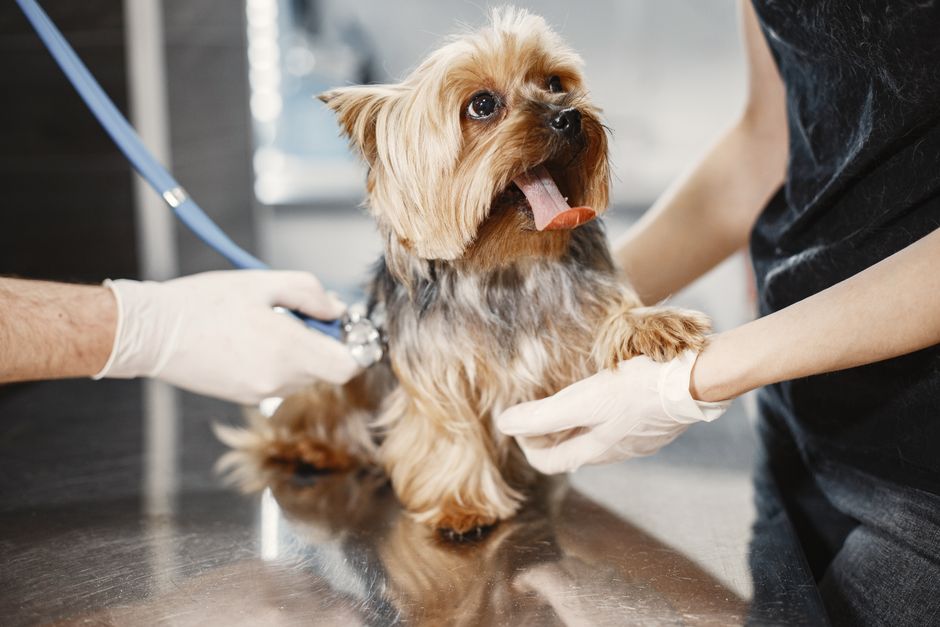
When your pet is experiencing ongoing digestive problems, a thorough evaluation by a veterinary professional is essential. At Sandy Paws Veterinary Hospital, we start with a detailed history and physical examination. Our veterinarians may recommend diagnostic tests such as blood work, fecal analysis, or imaging studies like X-rays or ultrasound to pinpoint the underlying issue. Our on-site diagnostic laboratory enables us to get answers quickly and start appropriate treatment without delay.
Treatment for GI problems depends on the underlying cause. For simple dietary upsets, your veterinarian may recommend a brief fast followed by a bland diet to rest your pet’s stomach. If parasites are detected, targeted deworming medication will be prescribed. Bacterial or viral infections may require antibiotics, antivirals, or supportive care with fluids to prevent dehydration. Inflammatory or chronic diseases often involve long-term management with special diets, medications to reduce inflammation, or probiotics to restore healthy gut bacteria.
In cases where your pet has eaten a foreign object or something toxic, prompt intervention is critical. Our team is prepared to provide emergency care, including inducing vomiting, administering activated charcoal, or performing surgery if needed. For complex or recurrent issues, our internal medicine services provide advanced diagnostics and treatment options tailored to your pet’s needs. Throughout the process, our veterinarians will keep you informed, answer your questions, and help you understand what to expect during your companion’s recovery.
Home Care and Prevention: Keeping Your Pet’s Digestive System Healthy
Many gastrointestinal problems can be prevented with simple steps at home. Feeding your pet a high-quality, balanced diet suited to their age, breed, and health status is the foundation of good digestive health. Avoid giving table scraps, fatty foods, or bones, as these can trigger stomach upset or even cause dangerous blockages. Be mindful of household plants, medications, and cleaning products, as many are toxic to pets and can cause severe GI distress if ingested.
Always provide fresh, clean water—especially in the heat of a Florida summer—to help your pet stay hydrated and support normal digestion. Establishing a regular feeding schedule and minimizing sudden changes in food can reduce the risk of stomach upset. If you need to transition to a new diet, do so gradually over several days to allow your pet’s digestive tract to adjust. Regular exercise also promotes healthy gut motility.
Routine preventive care, including wellness examinations, parasite screening, and vaccinations, helps catch problems early and protects against infectious diseases that can affect the GI tract. If your pet has a history of sensitive stomach or food allergies, discuss special diets or supplements with your veterinarian. For more resources on maintaining your pet’s health, organizations like the American Veterinary Medical Association (AVMA) offer valuable educational materials.
When to See a Veterinarian for GI Issues
Deciding when to seek veterinary care for your pet’s gastrointestinal health can feel overwhelming, but certain signs always warrant prompt attention. Contact your veterinarian immediately if your pet is experiencing repeated vomiting or diarrhea, especially if accompanied by blood, severe lethargy, abdominal pain, bloating, or signs of dehydration such as sunken eyes, dry gums, or decreased skin elasticity. Puppies, kittens, senior pets, and those with chronic health conditions are especially vulnerable and should be evaluated quickly if GI symptoms develop.
Other red flags include refusal to eat or drink for more than 24 hours, straining to defecate with little or no stool produced, persistent weight loss, or any suspicion that your pet may have ingested a toxin or foreign object. In these cases, timely intervention can make all the difference in your pet’s outcome and comfort. If you are unsure whether your pet’s symptoms require urgent care, our compassionate team at Sandy Paws Veterinary Hospital is here to help you make the right decision for your companion.
For less severe symptoms, scheduling a same-day appointment allows us to assess your pet’s condition before it becomes more serious. Early intervention improves the chances of a swift recovery and helps prevent complications.
Supporting Pet Gastrointestinal Health in Estero All Year Long
Caring for your pet’s digestive health requires a partnership between you and your veterinary team. By staying alert to changes in your pet’s eating, bathroom habits, and overall appearance, you can catch digestive issues early and seek help when it matters most. At Sandy Paws Veterinary Hospital, our veterinarians are committed to supporting pet owners throughout Estero and surrounding communities by providing clear answers, advanced diagnostics, and compassionate treatment for all aspects of pet gastrointestinal health.
If you notice signs of stomach trouble or simply want to ensure your pet stays healthy throughout Florida’s challenging summer months, we encourage you to schedule a wellness examination or reach out for guidance. When searching for a vet near me, look no further than our experienced team at 19527 Highland Oaks Dr., Suite 204, Estero, FL 33928. Give us a call at (813) 469-5843 to schedule your appointment and take the first step toward restoring your pet’s comfort and wellbeing. Your companion’s health is our top priority, and we are here to be your trusted resource for pet gastrointestinal health in Estero and beyond.
This article is for informational purposes only and does not replace professional veterinary care. Always consult your veterinarian for personalized advice regarding your pet’s health.