
Pet Gastrointestinal Health: Signs, Prevention, and When to See the Vet

Pet Gastrointestinal Health: Signs, Prevention, and When to See the Vet
If your dog or cat has ever dealt with an upset stomach, you know how distressing digestive issues can be for both pets and their families. From sudden bouts of vomiting to more subtle changes like reduced appetite, maintaining pet gastrointestinal health is a key part of ensuring a happy, comfortable life for your four-legged companion. At Sandy Paws Veterinary Hospital, conveniently located in Estero, FL, our veterinary team understands how important your pet’s digestive well-being is. In this guide, we’ll help you recognize common signs of gastrointestinal trouble in dogs and cats, explore the underlying causes, discuss effective treatment options, and share preventive steps you can take at home. You’ll also learn when it’s time to seek professional veterinary care, and how our team is here to support pet owners in Estero and surrounding communities with same-day appointments and full-spectrum care.
Recognizing Digestive Problems in Pets
Digestive issues are among the most common reasons for visits to the veterinarian. While a single mild episode of vomiting or diarrhea isn’t unusual, ongoing or severe symptoms can signal underlying health concerns that require attention. Recognizing these early signs is the first step in protecting your pet’s gastrointestinal health.
Key symptoms of digestive upset in dogs and cats include vomiting, diarrhea, a reduced or absent appetite, lethargy, excessive drooling, and changes in stool consistency or frequency. Some pets may also experience abdominal discomfort, evidenced by restlessness, whining, or a reluctance to be touched around the belly. In cats, you might notice increased hairball production or straining in the litter box. If your pet’s stool contains blood or appears black and tarry, this can indicate a more serious issue.
Other subtle changes may include unexplained weight loss, frequent flatulence, or chronic bad breath, which often point to underlying gastrointestinal disturbances. Paying attention to these signs, especially if they persist for more than a day or two, is crucial in ensuring timely intervention.
Understanding the Causes of Gastrointestinal Issues
Many factors can disrupt your pet’s digestive system. Dietary indiscretion is a frequent culprit; pets are notorious for getting into the trash or eating something outside of their regular diet, which can easily upset their stomachs. Sudden changes in food or treats can also lead to digestive upset, as can eating spoiled or contaminated food.
Beyond dietary causes, gastrointestinal problems may be triggered by bacterial, viral, or parasitic infections. Intestinal parasites, such as roundworms, hookworms, or giardia, are particularly common in young pets or those who spend time outdoors. Chronic conditions like inflammatory bowel disease, food allergies, or sensitivities can also play a significant role, especially in pets with recurring symptoms.
Stress, changes in routine, and underlying medical problems such as pancreatitis, kidney disease, or liver dysfunction can further compromise pet gastrointestinal health. Some medications, including certain antibiotics or pain relievers, may also have gastrointestinal side effects.
Understanding the root cause of your pet’s symptoms is essential for determining the right course of action. The veterinary professionals at Sandy Paws Veterinary Hospital use thorough physical exams and advanced diagnostics to pinpoint the underlying issue and guide treatment.
Treatment and Management of Digestive Problems
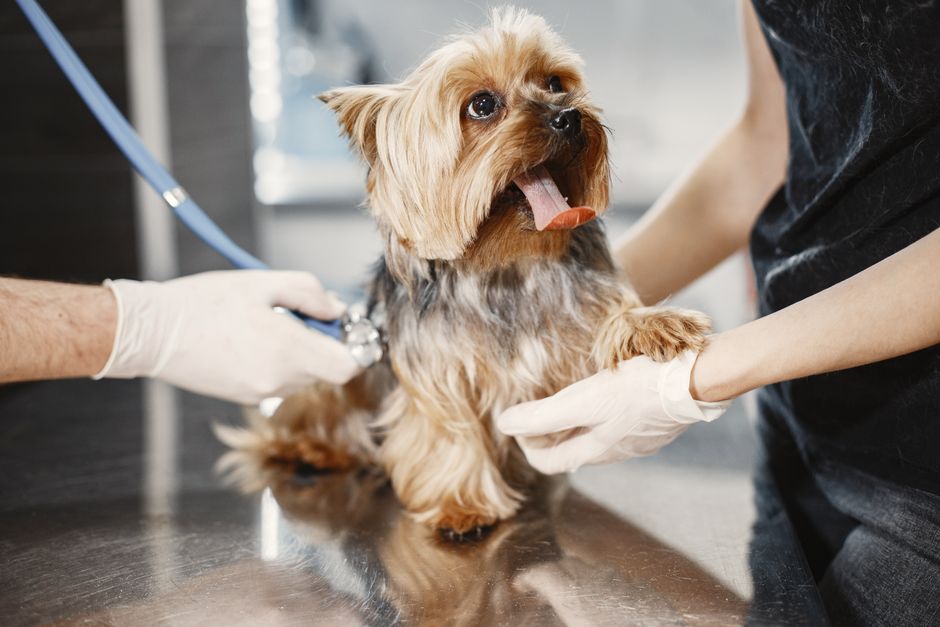
When your pet is experiencing digestive issues, prompt evaluation by a veterinarian is the best way to ensure effective treatment and avoid complications. At Sandy Paws Veterinary Hospital, our veterinary team tailors care to your pet’s specific needs, beginning with a detailed history and physical exam. In some cases, further diagnostics such as bloodwork, fecal exams, abdominal radiographs, or ultrasound may be recommended to identify infections, blockages, or chronic disease.
Treatment approaches depend on the severity and cause of the problem. For mild cases linked to dietary indiscretion, your veterinarian may recommend a temporary bland diet and supportive care at home. If dehydration is a concern, fluid therapy might be needed. Parasite infections require targeted deworming medications, while bacterial infections could call for antibiotics. For chronic or severe cases, management may involve prescription diets, anti-nausea medications, probiotics, or therapies tailored to underlying diseases such as inflammatory bowel disease or pancreatitis.
If your pet is diagnosed with a more complicated internal medicine issue, our clinic offers Internal Medicine services to address a spectrum of gastrointestinal and systemic health concerns. Throughout treatment, our team provides guidance, monitoring, and supportive care that prioritizes both comfort and long-term wellness.
Home Care and Preventive Steps for Pet Gastrointestinal Health
Supporting your pet’s digestive system at home can go a long way in preventing common gastrointestinal problems. Consistency is key; feed your pet a high-quality, balanced diet appropriate for their age and health status, and avoid sudden changes in food brands or types. When introducing new foods or treats, do so gradually over several days to allow your pet’s digestive system to adjust.
Keep household trash securely contained, and avoid giving table scraps or foods known to be toxic to pets, such as onions, garlic, grapes, or chocolate. Make sure your pet has access to clean, fresh water at all times, as hydration is vital for gastrointestinal function.
Regular wellness examinations are an important part of preventive care. During these visits, our veterinarians can screen for early signs of digestive disease, recommend parasite prevention strategies, and discuss any changes in diet or behavior. You can also explore our Preventive Care services for more information on how we help keep pets in Estero and surrounding communities healthy year-round.
Minimize stress for your pet by maintaining stable routines and providing a safe, comfortable environment. For cats, ensure litter boxes are clean and easily accessible. For dogs, supervise outdoor time to prevent scavenging. If your pet is prone to hairballs or constipation, your veterinarian may suggest dietary supplements or grooming routines that support smoother digestion.
When to Seek Veterinary Care for Digestive Issues
While some mild stomach upsets can resolve with supportive care at home, there are times when professional help is essential. It’s important to contact your veterinarian if your pet experiences persistent vomiting or diarrhea lasting more than 24 hours, shows signs of dehydration such as sunken eyes or sticky gums, or refuses to eat or drink. Other red flags include blood in the vomit or stool, severe abdominal pain, sudden collapse, or ongoing lethargy.
Puppies, kittens, senior pets, and those with chronic health conditions are especially vulnerable to complications from gastrointestinal issues and should be seen promptly if symptoms arise. If your pet ingests a foreign object, household toxin, or has a known underlying illness, immediate veterinary attention is critical.
At Sandy Paws Veterinary Hospital, we understand how stressful digestive problems can be for both pets and owners. Our emergency care services ensure your pet receives timely, expert attention when urgent situations arise. Trust our veterinary team to provide clear communication and compassionate care every step of the way.
The Importance of Ongoing Pet Gastrointestinal Health
Protecting your pet’s digestive system is a lifelong commitment that blends attentive home care with regular veterinary support. By staying alert to early warning signs, providing a balanced diet, and scheduling routine check-ups, you can help your pet avoid many common gastrointestinal problems.
If you’re searching for a “vet near me” who truly understands the needs of your dog or cat, look no further than Sandy Paws Veterinary Hospital in Estero, FL. Our veterinarians are dedicated to keeping your pet’s tummy happy and healthy with same-day appointments, advanced diagnostics, and a full spectrum of preventive and internal medicine services.
If you notice any signs of digestive distress, have questions about your pet’s diet, or want to discuss a personalized prevention plan, we invite you to schedule a visit. Call our team at (813) 640-4796 or stop by our hospital at 19527 Highland Oaks Dr., Suite 204, Estero, FL 33928. Explore our website at sandypawsvets.com for more resources, or check trusted sites like the American Veterinary Medical Association and Veterinary Partner for additional pet health information.
Your pet’s comfort, happiness, and longevity matter to us. Let Sandy Paws Veterinary Hospital be your partner in all aspects of pet gastrointestinal health—today and for years to come.



.jpg)
.jpg)
