Pet Gastrointestinal Health: Signs Your Dog or Cat Needs a Vet
Pet Gastrointestinal Health: Signs Your Dog or Cat Needs a Vet
Digestive upset in your dog or cat can be distressing to witness and confusing to manage. Whether your pet is experiencing a bout of vomiting, a sudden change in stool, or is just not acting like themselves, understanding what’s normal and what’s not is essential for every pet owner. At Sandy Paws Veterinary Hospital, our team in Estero, FL is here to help you keep your companion healthy and comfortable all year long. This comprehensive guide will walk you through the early warning signs of pet gastrointestinal health issues, explore common causes, discuss professional treatment options, and provide tips for prevention and home care. You’ll learn when it’s safe to monitor your pet at home, and when it’s time to schedule an appointment with our veterinary team for prompt care.
If you’re noticing digestive symptoms in your dog or cat, you’re not alone. Gastrointestinal problems are among the most common reasons pets visit the vet. Read on to discover what to watch for, what may be causing your pet’s discomfort, and how our veterinarians can support your pet’s digestive health here in Estero and the surrounding communities.
Recognizing the Signs of Gastrointestinal Trouble in Dogs and Cats
Pet gastrointestinal health concerns can surface in many ways. Some problems are mild and short-lived, while others may indicate a more serious underlying issue. Key symptoms that suggest your pet’s digestive system may be struggling include vomiting, diarrhea, or both. Additional warning signs include a sudden loss of appetite, excessive drooling, abdominal pain or discomfort, and changes in stool consistency, color, or odor. You may also notice your pet becoming lethargic, losing weight, or acting restless.
A dog that vomits once after eating grass or a cat that has a mild upset stomach from a new treat might bounce back quickly. However, persistent vomiting, repeated diarrhea, or blood in the vomit or stool are always cause for concern. Other red flags include severe abdominal bloating, straining to defecate with little or no stool production, or signs of dehydration such as dry gums and sunken eyes. Puppies, kittens, senior pets, and those with underlying medical conditions can become dangerously ill much faster than healthy adults.
If your pet is showing moderate to severe symptoms, or if you’re unsure about the severity, it’s best to consult with our team at Sandy Paws Veterinary Hospital. We can help assess your pet’s condition, offer supportive care, and discuss whether immediate intervention is needed. For more insight into specific signs, you can also review trusted resources like Veterinary Partner for educational information.
Common Causes of Pet Gastrointestinal Health Problems
Digestive problems in pets have a wide range of causes. In many cases, the culprit is dietary indiscretion; this means your pet ate something they shouldn’t have, such as table scraps, garbage, or a new food that didn’t agree with them. Rapid changes in diet, food allergies, or food intolerances can also disrupt the normal digestive process.
Infections are another frequent cause. Bacterial, viral, and parasitic infections can all trigger vomiting and diarrhea, particularly in younger or immune-compromised pets. Internal parasites like roundworms, hookworms, or giardia are common in both dogs and cats, especially those that spend time outdoors or in boarding facilities.
Chronic conditions can also affect pet gastrointestinal health. Inflammatory bowel disease, pancreatitis, liver or kidney disease, and certain cancers may all cause recurring digestive troubles. Some breeds are more susceptible to specific issues; for example, Siamese cats are prone to certain intestinal diseases, while some small dog breeds may develop pancreatitis more readily.
Toxins and foreign bodies are always a concern. Ingestion of household plants, chemicals, medications, or objects like toys and bones can lead to gastrointestinal upset or even cause a dangerous blockage. If you suspect your pet has eaten something harmful, consult the ASPCA Poison Control and contact our veterinary hospital immediately.
Finally, stress and anxiety can also impact digestive health. Major changes in your household, travel, or the addition of new pets can upset sensitive stomachs, especially in cats.
How Our Veterinarians Diagnose and Treat Digestive Issues
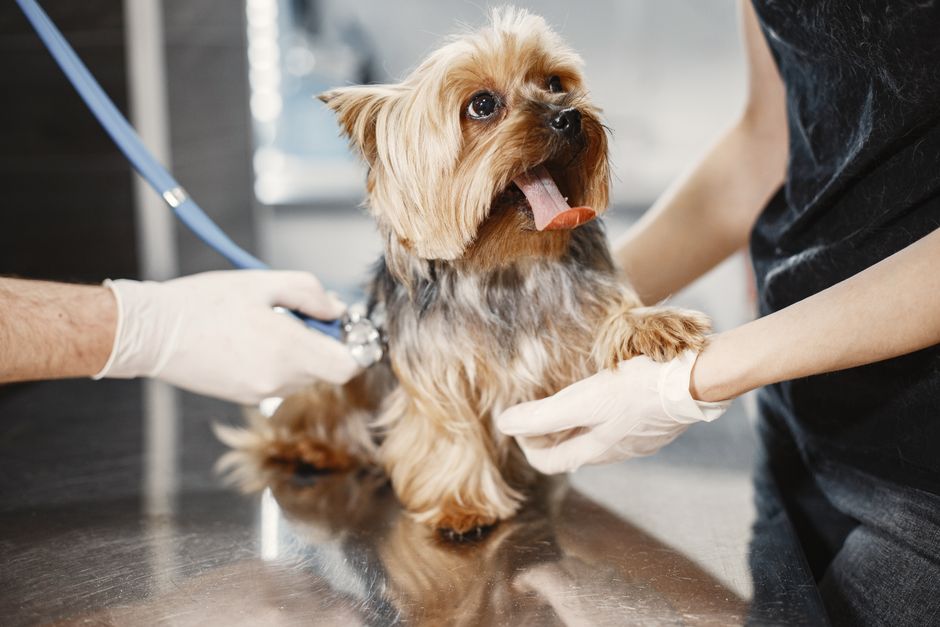
When you bring your pet to Sandy Paws Veterinary Hospital for digestive concerns, our veterinarians start with a thorough history and physical examination. We ask detailed questions about the onset, frequency, and nature of your pet’s symptoms, recent diet changes, possible toxin exposure, and any additional health changes you've noticed at home.
Diagnostic testing plays a crucial role in evaluating pet gastrointestinal health. Our hospital in Estero is equipped with advanced tools, including a pet diagnostic laboratory for bloodwork and stool analysis, as well as digital radiology to look for obstructions or abnormalities inside the abdomen. In some cases, our team may also recommend vet ultrasounds to get a clearer picture of your pet's internal organs.
Treatment depends on the underlying cause. For mild, short-term digestive upset, supportive care such as fluid therapy, anti-nausea medications, and a temporary bland diet may be all that’s needed. If parasites are detected, targeted deworming medications will be prescribed. Bacterial infections may require antibiotics, while chronic or complex illnesses may necessitate more advanced internal medicine care.
In cases where a foreign object is suspected or when more serious disease is identified, surgery or referral to a specialty center may be necessary. Throughout the process, our veterinary team will keep you updated and involved so you can make informed decisions about your pet’s care.
Prevention and Home Care for Pet Gastrointestinal Health
While not every digestive upset can be prevented, there are many steps pet owners can take to minimize the risk of gastrointestinal problems. First and foremost, provide a consistent, high-quality diet that is appropriate for your pet’s age, species, and health needs. Avoid feeding table scraps, fatty foods, or sudden diet changes. Always transition foods gradually over several days to prevent stomach upset.
Pet-proof your home by keeping garbage, toxic plants, medications, and cleaning products securely out of reach. If you’re unsure about which plants are safe, consult resources such as toxic plant information to safeguard your household. Regularly deworm your pets as recommended by your veterinarian, especially if they go outdoors or are in contact with other animals. Keep up with your pet’s vaccinations and preventive care, which help protect against several infectious causes of vomiting and diarrhea.
Reduce stress by maintaining predictable routines and providing safe spaces for your pet to retreat during changes or busy times. For pets with chronic or recurring digestive issues, our veterinarians may recommend prescription diets or ongoing management strategies tailored to your pet’s unique needs.
If your pet is experiencing mild digestive upset but is still eating, drinking, and acting normal, you may monitor them at home for 24 hours. Withhold food for a short period (never longer than 12 hours for adult dogs or 6 hours for cats and small breed dogs), then offer small amounts of bland food such as boiled chicken and rice. Always provide fresh water. If symptoms worsen or don’t resolve promptly, schedule an appointment for further evaluation.
When to Seek Veterinary Care: Don’t Wait with Serious Symptoms
Knowing when to seek veterinary care is critical for your pet’s safety. Some gastrointestinal symptoms require immediate attention, while others can be monitored for a short time at home. Contact Sandy Paws Veterinary Hospital if your pet experiences ongoing vomiting or diarrhea lasting more than 24 hours, repeated episodes in a short time frame, blood in the stool or vomit, significant abdominal pain, bloating, or any sign of dehydration.
Very young pets, seniors, and those with pre-existing health issues should be seen sooner, as they are more vulnerable to rapid decline. If your pet is refusing food and water, seems unusually lethargic, or you suspect they have ingested a toxin or foreign object, prompt intervention is essential.
Our veterinarians in Estero are equipped to provide comprehensive emergency veterinary care when urgent symptoms arise. If you’re ever in doubt, it’s safer to call and discuss your concerns with our veterinary team.
Supporting Your Pet’s Digestive Health for a Happier Life
Your pet’s digestive system plays a vital role in their overall health and happiness. By staying alert to changes in appetite, stool, and energy level, you can catch signs of digestive trouble early and seek help before problems escalate. The team at Sandy Paws Veterinary Hospital is dedicated to supporting pet gastrointestinal health for families in Estero and the surrounding communities.
If you have questions about your dog or cat’s digestive health, or if your pet is showing signs of discomfort, please don’t wait. Schedule an appointment with our compassionate veterinary professionals by calling (813) 469-5843 or visiting our hospital at 19527 Highland Oaks Dr., Suite 204, Estero, FL 33928. When searching for a vet near me, know that our Estero team is here to provide thorough, gentle care for your pets. For more in-depth information about internal health issues in pets, explore our internal medicine services. Your pet’s comfort and wellbeing are always our top priority.