Pet Skin Allergies in Estero: How to Help Your Dog or Cat

Pet Skin Allergies in Estero: How to Help Your Dog or Cat
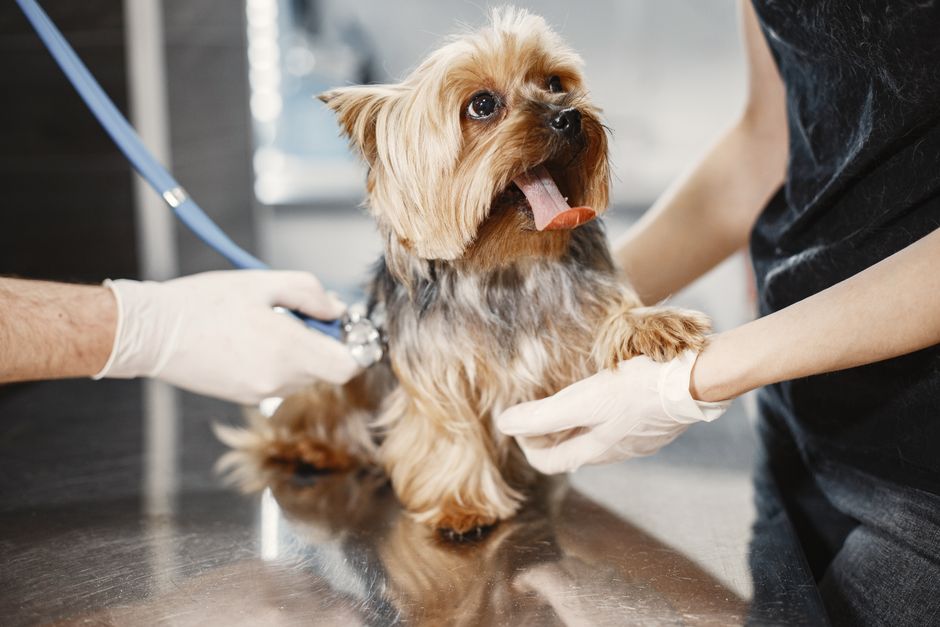
If your dog or cat is scratching more than usual, losing fur, or developing red, irritated skin, you are not alone—skin allergies are one of the most common reasons pet owners in Estero and the surrounding communities bring their companions to Sandy Paws Veterinary Hospital. With Florida’s warm, humid October climate, environmental triggers like pollen, mold, and even pesky fleas can make the fall season especially tough for sensitive pets. It can be heartbreaking to watch your pet itch incessantly or develop raw, uncomfortable patches on their skin. In this blog, our team of veterinarians in Estero will help you recognize the signs of skin allergies in dogs and cats, explain why they occur, and walk you through the proven ways we can help your companion feel comfortable again. We will also share practical tips you can use at home to prevent skin problems from getting worse this season. If you are concerned about your pet’s skin or coat, same-day appointments are available—our compassionate veterinary team is here to support you and your four-legged family member. For a closer look at our approach to diagnosing and treating skin conditions, you can also explore our veterinary dermatology services.
How to Recognize Skin Allergies in Dogs and Cats
Pet owners are often the first to notice when something is not quite right with their dog or cat’s skin or coat. While a little scratching or grooming is normal, persistent discomfort is a warning sign. Key symptoms of skin allergies in pets include frequent scratching or licking, especially at the paws, belly, or ears. You might notice reddened skin, hot spots, hair loss, scabs, or even an unpleasant odor coming from your pet’s skin. Pets with allergies may also shake their heads or rub their faces on the carpet or furniture. In some cases, you may see moist, oozing sores or thickened, darkened skin due to chronic inflammation. If you find your dog or cat seems constantly uncomfortable, is losing fur, or has visible changes in their skin, it is time to take a closer look.
Skin allergies often show up differently in dogs and cats. Dogs tend to have red, itchy skin on their belly, underarms, and feet, while cats may develop tiny scabs, especially around the neck and back. Cats are also masters at hiding discomfort, so you might only notice excessive grooming or small bald patches. In Estero’s warm climate, pets are exposed to allergens nearly year-round, but symptoms can flare up in the fall due to increased outdoor activity and changes in pollen levels. Early recognition is key to preventing complications like skin infections or chronic discomfort.
Common Causes of Skin Allergies in Our Area
Just like people, dogs and cats can develop allergies to a variety of substances in their environment, food, or even parasites. In the Estero region, environmental allergens are a leading culprit. Pollen from grasses, weeds, and trees, as well as mold spores, thrive in the warm, humid air. Many pets develop “atopic dermatitis,” a hereditary sensitivity that causes their immune system to overreact to these harmless substances. In addition, fleas are a year-round concern in Southwest Florida; even a single flea bite can trigger a severe allergic reaction in sensitive pets, resulting in intense itching and hair loss.
Food allergies are another possible cause and can develop at any age. Common triggers include proteins like chicken, beef, or fish, as well as grains or certain additives in commercial diets. Unlike environmental allergies, which often cause symptoms seasonally, food allergies can cause year-round itching and may also result in digestive upset. Contact allergies—from things like yard chemicals, detergents, or certain fabrics—are less common, but can also irritate your pet’s skin.
Because there are so many potential causes, a comprehensive approach is essential. Our veterinary team often begins with a thorough history, asking about your pet’s environment, diet, and recent changes in routine. We also use advanced diagnostic tools, including laboratory testing, to pinpoint the underlying cause of your pet’s discomfort. For more information about how our in-house diagnostic services support allergy and skin care cases, visit our veterinary diagnostic laboratory services.
Professional Treatment and Relief for Pet Skin Allergies
Bringing your pet to Sandy Paws Veterinary Hospital for a skin allergy evaluation is the best way to get answers and relief. After a detailed physical examination and discussion of your pet’s history, we may recommend diagnostic tests such as skin scrapings, cytology, or allergy testing to identify the source of the problem. In cases where infection is present, laboratory testing can help us determine the right medication for your pet’s unique needs.
Treatment options for skin allergies depend on the cause and severity of your pet’s symptoms. For environmental allergies, therapies often include medicated shampoos, topical sprays, and prescription oral or injectable medications to reduce inflammation and itching. When fleas are involved, immediate and ongoing flea control is essential for all pets in the household. For food allergies, a strict elimination diet, followed by gradual food reintroduction, can help identify and avoid problem ingredients. In some cases, immunotherapy (allergy shots or drops) can gradually desensitize your pet’s immune system to specific allergens.
Our veterinarians work closely with you to create a customized treatment plan that may involve both in-clinic therapies and ongoing management at home. We also provide guidance on environmental modifications, such as regular bathing routines, choosing the right cleaning products, and minimizing exposure to known triggers. If your pet’s allergies result in open sores, infection, or severe discomfort, we are equipped to provide advanced wound care, antibiotics, and pain relief as needed. Our goal is always to restore your pet’s comfort and protect their long-term health. To learn more about our approach to diagnosing and treating skin conditions, visit our veterinary dermatology services.
Home Care and Prevention Tips for Pet Owners
Managing skin allergies at home is an important part of your pet’s long-term comfort and wellbeing. Regular bathing with a veterinarian-recommended hypoallergenic or medicated shampoo can help remove allergens and soothe irritated skin. For dogs who spend time outdoors, wiping their paws and belly after walks can reduce exposure to pollen and grass. Keeping your home environment clean and free of dust, mold, and fleas is another effective strategy; regular vacuuming, washing bedding, and using pet-safe cleaning products can all make a difference.
Consistent flea prevention is especially important in Estero and the surrounding areas, where fleas are active all year. We recommend using veterinarian-approved flea control products for all pets in your household, even if you do not see fleas directly. Monitoring your pet’s diet, avoiding sudden changes, and introducing new foods gradually can also help prevent food-related reactions. If you suspect your pet has a food allergy, consult your veterinarian before making major dietary changes.
Remember, not all human skin products are safe for pets. Always use products specifically designed for dogs or cats, and never apply over-the-counter creams or medications without veterinary guidance. If you have questions about safe home care routines or need recommendations for allergy-friendly products, our veterinary team is happy to help.
When to Schedule a Veterinary Visit for Skin Allergies
While mild itchiness can sometimes be managed at home, there are times when professional care is essential. Schedule an appointment with our veterinarians if your pet is scratching or licking constantly, develops red or oozing sores, experiences significant hair loss, or seems generally unwell. Other warning signs include persistent ear infections, foul-smelling skin, or changes in behavior such as hiding, restlessness, or aggression due to discomfort.
Some skin conditions can worsen quickly or become complicated by secondary infections, especially in warm, humid weather. Prompt diagnosis and treatment not only ease your pet’s suffering but also prevent more serious health problems down the road. If you are ever unsure whether your pet’s symptoms warrant a visit, our team can help you decide the next steps. During your wellness examination, we always assess skin and coat health as part of a comprehensive evaluation, ensuring early detection of any underlying concerns.
If you notice sudden swelling, difficulty breathing, or signs of severe pain, these may indicate a serious allergic reaction requiring immediate veterinary attention. Do not wait—contact us right away for guidance.
Why Choose Sandy Paws Veterinary Hospital for Your Pet’s Skin Care Needs
At Sandy Paws Veterinary Hospital, we understand how frustrating it can be to see your cherished companion struggle with skin allergies. Our experienced team of veterinarians is dedicated to providing full-spectrum, compassionate care for dogs and cats throughout Estero and surrounding communities. We combine advanced diagnostic tools with a personalized approach to treatment, working closely with you to find solutions that fit your pet’s needs and your family’s lifestyle.
Whether your pet needs a thorough wellness exam, specialized dermatology care, or ongoing allergy management, we are here to help—often with same-day appointments available for urgent concerns. If you are searching for a “vet near me” who truly cares about your pet’s comfort and quality of life, you will find a trusted partner in our team.
To schedule an appointment or discuss your pet’s skin health, call us at (813) 469-5843 or visit us at 19527 Highland Oaks Dr., Suite 204, Estero, FL 33928. You can also explore our wellness examination and veterinary dermatology services for more information on how we support your pet’s skin and overall health. Our veterinary team looks forward to helping your dog or cat feel comfortable and happy again this season.