
Recognizing Digestive Issues in Pets: When to Call the Vet

Recognizing Digestive Issues in Pets: When to Call the Vet
Digestive problems are among the most common reasons pet owners seek veterinary care. Whether your dog is vomiting after a beach outing or your cat refuses meals for a day, it can be difficult to know when an upset stomach is a minor hiccup or a symptom of something more serious. At Sandy Paws Veterinary Hospital, we understand how concerning it can be to see your pet uncomfortable or unwell. Our independent Estero, FL clinic is committed to full-spectrum, compassionate care, offering same-day appointments to address urgent needs as well as long-term wellness.
In this blog, we will guide you through the most important signs of digestive issues in pets, explain what causes these problems, and help you determine when it is time to schedule an appointment with our veterinary team. You will also learn about our approach to diagnosing and managing gastrointestinal concerns, as well as practical steps for prevention at home. If you are searching for "digestive health vet near me" or want to learn more about veterinary services in Estero, you are in the right place. For more information about comprehensive wellness examinations and how they can detect problems early, you can also explore our pet wellness exam services.
Recognizing the Signs: How to Spot Digestive Issues in Pets
Many pet owners in Estero and surrounding communities want to know how to distinguish a mild digestive upset from a more serious health concern. While an occasional upset stomach can be normal, persistent or severe symptoms should never be ignored. Recognizing the early warning signs is the key to protecting your pet’s long-term health.
Common Symptoms of Digestive Problems
Symptoms of digestive issues in pets can range from subtle to severe. In dogs and cats, signs of pet illness affecting the gastrointestinal tract include vomiting, diarrhea, a sudden loss of appetite, or increased drooling. Additionally, you may notice abdominal discomfort, excessive gas, or changes in stool consistency and color. Other concerning symptoms are blood in the vomit or stool, straining to defecate, and weight loss that develops over time.
You might also see your pet acting lethargic or withdrawing from family activities; these behaviors often indicate that your pet is not feeling well. In cats, hiding or avoiding the litter box can be a sign of nausea or abdominal pain. Puppies, kittens, and senior pets are especially vulnerable to complications from digestive issues, so prompt attention is crucial.
If any of these signs persist for more than a day or are accompanied by severe symptoms, it is best to have your pet evaluated by our veterinary professionals at Sandy Paws Veterinary Hospital. Early intervention can be the difference between simple home care and more intensive treatment.
Understanding the Causes: Why Digestive Problems Happen
Gastrointestinal issues in pets are caused by a wide variety of factors. Understanding what can trigger digestive upset can help you prevent future episodes and know when to seek veterinary services in Estero.
Dietary Indiscretion and Food-Related Issues
One of the most common causes of digestive problems, especially in dogs, is dietary indiscretion. This means your pet has eaten something they should not have, such as table scraps, garbage, or non-food objects found during outdoor walks. Cats can also experience digestive upset if their diet is suddenly changed or if they ingest hair while grooming, leading to hairballs.
Food allergies or sensitivities are increasingly recognized as causes of chronic digestive issues in pets. Symptoms often arise after eating certain ingredients and may include vomiting, diarrhea, or itchy skin.
Infectious Diseases and Parasites
Viral or bacterial infections can lead to acute digestive upset. These illnesses are often accompanied by other signs of pet illness, such as fever or dehydration. Intestinal parasites, including hookworms, roundworms, and giardia, are prevalent in warm climates like Estero and can cause chronic diarrhea, weight loss, and poor coat condition.
Underlying Medical Conditions
Sometimes, digestive issues in pets are a symptom of deeper medical problems. Conditions such as pancreatitis, kidney or liver disease, hormonal imbalances, or even certain types of cancer can affect the gastrointestinal tract. These concerns often require advanced diagnostics and ongoing management by a skilled veterinary team.
For more details about how our internal medicine expertise helps identify and treat complex causes of digestive issues, visit our internal medicine services page.
Diagnosis and Treatment: How Our Estero Veterinary Team Helps
When you schedule an appointment at Sandy Paws Veterinary Hospital for digestive issues in pets, you can expect a thorough and compassionate approach. Our veterinarians are dedicated to uncovering the root cause and providing tailored treatment plans for each patient.
What to Expect During a Veterinary Visit
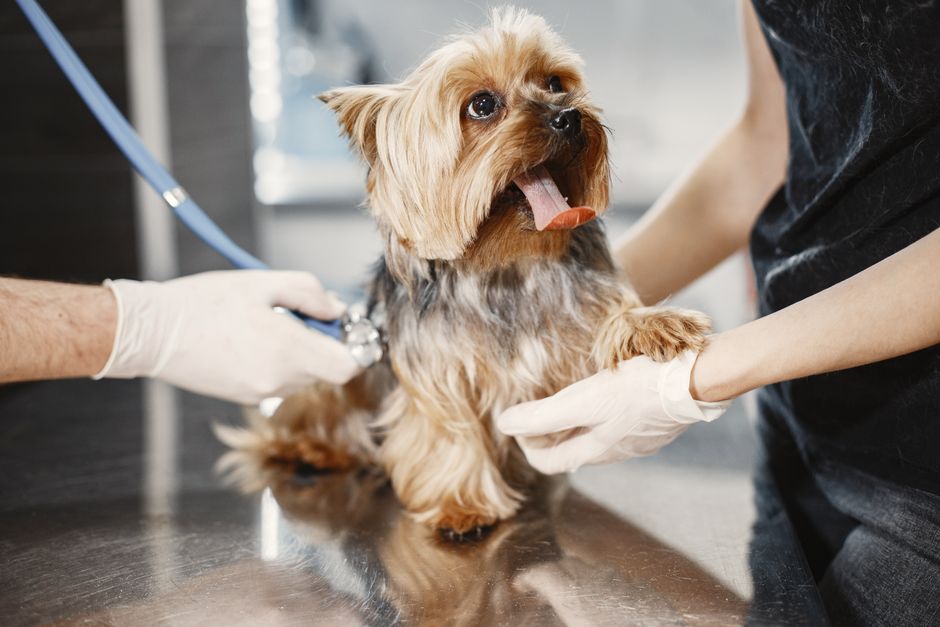
The diagnostic process typically begins with a detailed history and physical examination. Our team will ask about your pet's recent diet, behavior changes, and the duration of symptoms. Diagnostic testing may be recommended to pinpoint the problem; options include bloodwork, fecal analysis, abdominal radiographs, or ultrasound imaging. These pet diagnostic laboratory services in Estero help us rule out infections, organ dysfunction, or foreign body ingestion.
Treatment approaches depend on the underlying cause. For mild cases, supportive care such as fluids, dietary modification, and anti-nausea medications may be recommended. Pets with dehydration or severe vomiting might need intravenous fluids and hospitalization. If a blockage or foreign object is suspected, surgery might be necessary to resolve the problem safely.
Chronic conditions such as food allergies or inflammatory bowel disease may require long-term management with prescription diets, medications, or regular monitoring. Our veterinary professionals will walk you through each step, ensuring you understand your pet's needs and what to expect during recovery.
Preventing Digestive Upset: Home Care Tips for Pet Owners
While some digestive issues in pets are unavoidable, many can be prevented with proactive care and attention at home. In the warm, humid climate of Estero, certain precautions are especially important.
First, always feed your pets a high-quality, consistent diet, and avoid sudden changes in food. Keep garbage, cleaning agents, and toxic plants out of reach, as accidental ingestion is a common cause of emergency visits. Dogs should be supervised during walks or playtime to prevent eating foreign objects, and cats benefit from regular grooming to reduce hairball formation.
Routine veterinary care, including wellness examinations, plays a major role in preventing and detecting health concerns before they escalate. Our veterinarians recommend regular deworming and fecal checks to protect against parasites, especially in areas with year-round outdoor activity.
Additionally, always ensure your pet has access to fresh water, and watch for signs of dehydration, especially during the hot Florida months. Gradually introduce any new foods or treats, and consult with our veterinary team before making dietary changes.
When to Seek Veterinary Care: Knowing When to Schedule an Appointment
Deciding when to call your veterinarian is one of the most important decisions you can make for your pet's health. Some digestive issues resolve quickly with home care, but others indicate a more serious health problem requiring prompt attention.
You should contact our veterinary hospital right away if your pet exhibits persistent vomiting or diarrhea lasting more than 24 hours, blood in the vomit or stool, signs of abdominal pain such as a hunched posture or whining, refusal to eat or drink, or extreme lethargy. Other red flags include frequent attempts to vomit without producing anything, known as dry heaving, or signs of severe dehydration like sunken eyes and sticky gums.
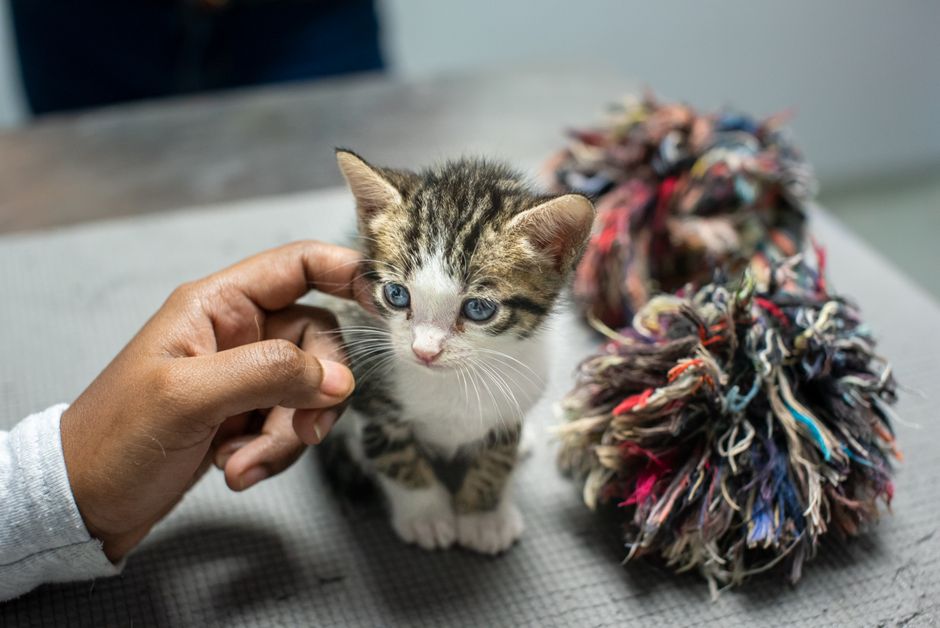
For puppies, kittens, and senior pets, even mild symptoms can escalate quickly, so err on the side of caution. If you are ever unsure, our team at Sandy Paws Veterinary Hospital is here to help you determine the best course of action. Scheduling an appointment early can often prevent complications and ensure your pet returns to health as soon as possible.
For after-hours emergencies or if your pet’s condition rapidly worsens, seek immediate care. For helpful resources on urgent care, consult the emergency veterinary care information on our website, or call us directly for guidance.
Compassionate Digestive Care in Estero: Your Local Partner for Pet Health
Digestive issues in pets can be stressful and concerning, but with the right information and a dedicated veterinary team by your side, you can confidently care for your furry family members. Remember that early recognition of signs of pet illness, combined with prompt veterinary attention, leads to the best outcomes for your pet’s health and comfort.
If you notice any of the symptoms discussed or have questions about your pet’s digestive health, do not hesitate to schedule an appointment with our veterinarians. At Sandy Paws Veterinary Hospital, we are proud to serve Estero and surrounding communities with quality veterinary services near me, including advanced pet diagnostic laboratory services in Estero. Our team is always ready to provide the compassionate care your pet deserves.
Call us today at (813) 469-5843 to schedule your visit, or stop by our clinic at 19527 Highland Oaks Dr., Suite 204, Estero, FL 33928. For more information about how regular wellness visits can help prevent future problems, explore our comprehensive pet exam services. Your pet’s health is our highest priority, and our veterinarians are here to help you every step of the way.
This blog is intended for informational purposes only and should not be considered a substitute for professional veterinary advice. If your pet is unwell, please consult your veterinarian promptly for diagnosis and treatment. For authoritative pet health resources, visit the American Veterinary Medical Association or VeterinaryPartner.



.jpg)
.jpg)
