
Recognizing Signs of Pet Dehydration During Florida Summers
Recognizing Signs of Pet Dehydration During Florida Summers
As the summer sun beats down on Estero and its surrounding communities, pet owners face unique challenges in keeping their beloved companions safe and healthy. The combination of Florida’s intense heat and humidity can quickly lead to dehydration in both dogs and cats, especially during peak summer months like August. At Sandy Paws Veterinary Hospital, we understand how frightening it can be to notice your pet acting sluggish or out of sorts on a hot day. In this guide, we will help you recognize key pet dehydration symptoms, explain what causes dehydration and overheating, offer practical tips for prevention, and describe how our veterinary team supports your pet’s recovery right here in Estero, FL.
If you have ever searched for a vet near me after noticing your pet panting excessively or refusing water, you are not alone. This article will walk you through the signs of overheating in pets, what to do if you suspect dehydration, and how Sandy Paws Veterinary Hospital is here to help with comprehensive pet hydration care in Estero. If you are ever concerned about your pet’s health during the summer, same-day appointments are available so you can schedule an appointment quickly and get peace of mind from our compassionate veterinary team. For proactive protection, our preventive care programs are designed to keep your pet healthy all year long.
Understanding Pet Dehydration Symptoms: What to Watch For in Florida
Catching pet dehydration symptoms early is vital for preventing more serious health issues. Dehydration happens when a pet’s body loses more fluids than it takes in, a risk that is heightened during Florida’s hottest months. Some of the most noticeable pet dehydration symptoms include persistent panting, a dry or sticky-feeling mouth, sunken eyes, and lethargy. Dogs and cats may also show signs of dehydration by having a loss of skin elasticity; when gently pinched, the skin takes longer than usual to return to its original position. Additional warning signs to watch for are appetite loss, a dry nose, or gums that feel tacky instead of moist.
You may also notice your pet seeking out cool surfaces or shade, drinking more or sometimes less water than usual, or even vomiting and having diarrhea. These symptoms of dehydration are often accompanied by signs of overheating in pets, such as rapid breathing, elevated heart rate, or weakness. It is important to remember that the signs can be subtle, especially in cats, who may hide or become less interactive.
If your pet spends time outdoors in Estero or the surrounding areas of Southwest Florida, keep a close eye on their behavior during summer. Even indoor pets can be at risk if air conditioning fails or if they become stressed and stop drinking water. Knowing these pet dehydration symptoms gives you a critical advantage in protecting your pet’s health.
Why Do Pets Get Dehydrated? Background on Causes and Florida Risk Factors
Florida’s climate creates a perfect storm for dehydration in pets. High heat and humidity increase your pet’s need for water, but also make it harder for their bodies to cool down. Dogs, for example, primarily regulate their temperature by panting, which can lead to excessive fluid loss. Cats may not always seek water proactively, making them especially prone to dehydration during hot spells.
Common causes of dehydration in pets include prolonged exposure to high temperatures, limited access to clean water, excessive exercise, and underlying medical issues such as kidney disease or diabetes. Vomiting and diarrhea can rapidly deplete fluids, and pets recovering from surgery or illness are at higher risk. Even something as simple as an overturned water bowl or a malfunctioning automatic waterer can lead to issues within a matter of hours, particularly in Florida’s summer climate.
It is also important to know that certain breeds, age groups, and pets with flat faces (like Bulldogs and Persians) are more susceptible to dehydration and overheating. Senior pets, puppies, and kittens often have limited ability to regulate their body temperature and may not sense thirst as keenly as healthy adults. In Estero and surrounding communities, we see a spike in dehydration cases every summer, making it essential for pet owners to stay vigilant.
Professional Treatment for Dehydration: How Sandy Paws Veterinary Hospital Helps
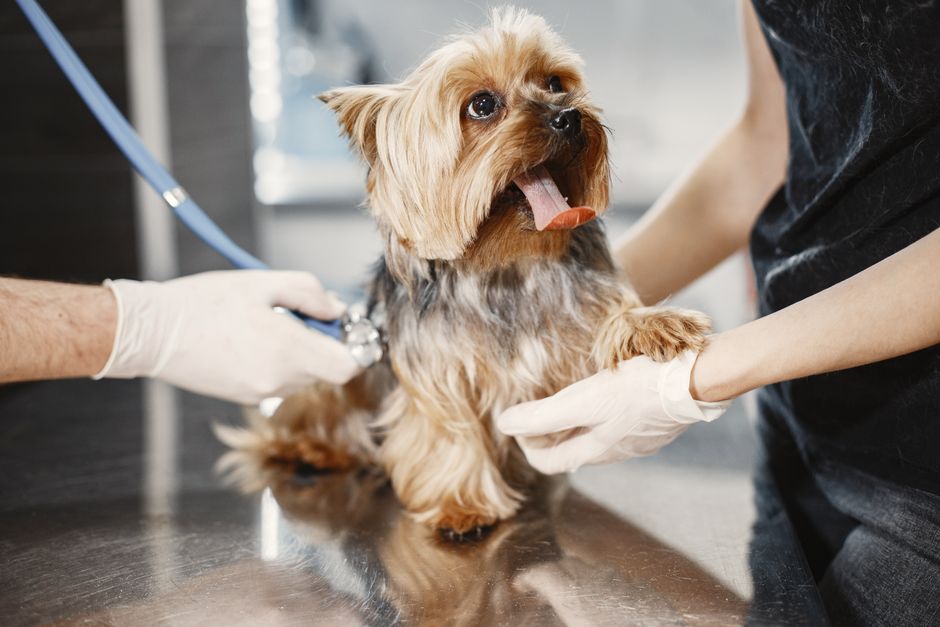
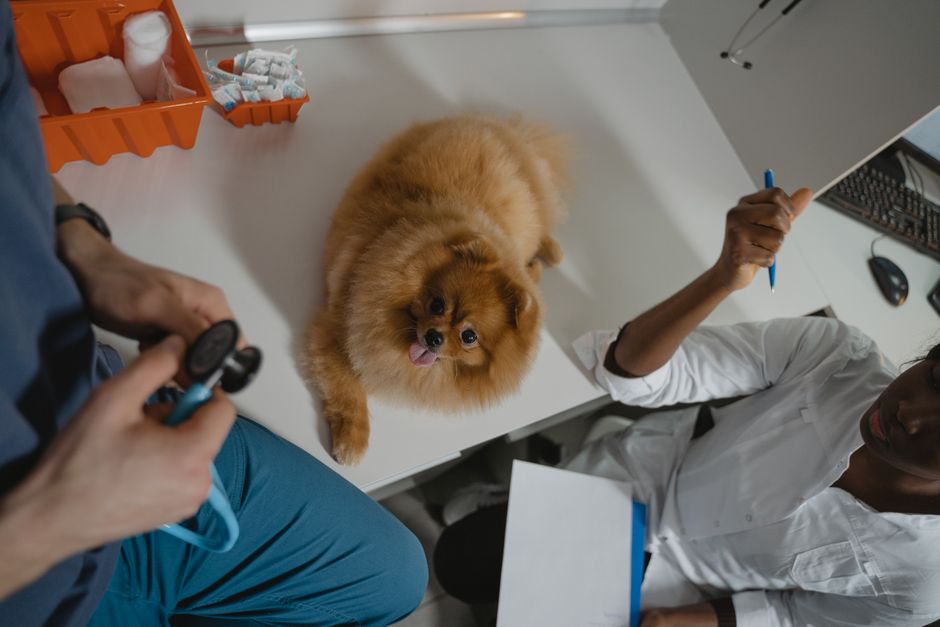
If you suspect your pet is dehydrated, prompt veterinary care is crucial. At Sandy Paws Veterinary Hospital, our veterinary team will begin with a thorough physical examination to assess your pet’s hydration status and overall health. Diagnostic tests such as bloodwork and urinalysis may be recommended to determine the severity of dehydration and check for underlying conditions.
Treatment for dehydration in pets typically involves administering fluids to restore balance. In mild cases, oral fluids may be offered under veterinary supervision, but more severe dehydration often requires intravenous (IV) or subcutaneous (under the skin) fluid therapy. Our team closely monitors vital signs, electrolyte levels, and organ function throughout treatment to ensure your pet recovers safely and comfortably. Additional care may include addressing any root causes, such as infection, gastrointestinal upset, or heatstroke.
Our hospital is equipped to provide supportive care for dehydration, including advanced diagnostics and internal medicine expertise when needed. If you are seeking quality veterinary services near me for a dehydrated pet in Estero, you can rely on our team for compassionate, full-spectrum care. For pets with complex or recurring dehydration, we may recommend ongoing monitoring through our internal medicine services to identify and manage chronic health concerns.
Preventing Pet Dehydration and Overheating at Home
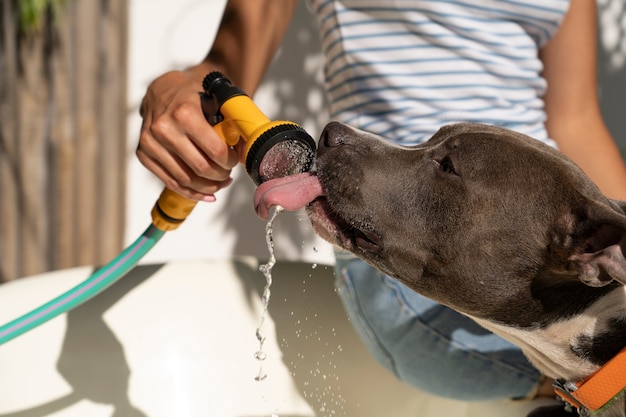
Prevention is always easier than treatment, especially during Florida’s hottest months. Keeping your pet hydrated and safe begins with providing constant access to fresh, clean water both indoors and outdoors. Refill bowls frequently and clean them daily to encourage drinking. During walks or playtime, carry a portable water bottle and offer sips regularly.
Limiting outdoor activity during peak heat hours, usually between 10 AM and 4 PM, can protect your pet from overheating. Provide shaded, well-ventilated areas outdoors, and never leave pets unattended in vehicles, even briefly. For pets who resist drinking water, try offering ice cubes, pet-safe broths, or water fountains to stimulate interest.
Monitoring your pet’s activity level and watching for early signs of overheating in pets, such as excessive panting or drooling, is essential. For breeds at higher risk, senior pets, or those with chronic health issues, consider discussing a summer-specific wellness plan with your veterinarian. Our wellness examinations can help you build a personalized prevention strategy for your pet’s unique needs. In Estero, pet dehydration prevention is a year-round concern, but it becomes especially important during the steamy summer months.
When to Seek Veterinary Care: Guidelines for Pet Owners
Recognizing when home care is no longer enough is a key part of protecting your pet’s health. If your pet refuses water, is lethargic, vomits repeatedly, shows persistent signs of overheating, or if their gums remain dry and tacky, it is time to schedule an appointment with your veterinarian. Other situations that require urgent veterinary attention include collapse, confusion, rapid heart rate, or difficulty breathing. For pets with chronic health conditions, even mild dehydration can quickly become dangerous, so err on the side of caution.
At Sandy Paws Veterinary Hospital, we are committed to providing prompt, expert care for pets experiencing dehydration in Estero and surrounding communities. Our same-day appointments and comprehensive diagnostic capabilities mean you do not have to wait if you notice pet dehydration symptoms at home. If you are ever uncertain about your pet’s condition, our veterinary professionals encourage you to call and discuss your concerns. Early intervention can make all the difference in a successful recovery.
Keeping Pets Hydrated and Healthy: Your Partner in Pet Wellness
Florida summers bring special challenges, but with vigilance and the right veterinary support, your pet can stay healthy and comfortable all year long. Remember, pet dehydration symptoms like excessive panting, dry gums, and lethargy are your first warning signs; take them seriously and act quickly. Prevention starts at home with easy access to water, sensible activity plans, and regular wellness visits, but professional care is always available when you need it.
If you are searching for quality veterinary services near me or the best vet near me for a dehydrated or overheated pet, Sandy Paws Veterinary Hospital is ready to help. Our Estero, FL location offers same-day appointments and personalized care from a dedicated team of veterinarians. Schedule an appointment today by calling (813) 469-5843, and let us partner with you in keeping your pet hydrated, happy, and healthy this summer.
For additional guidance on pet dehydration symptoms or to book your next wellness examination, explore our comprehensive pet exam services online. Your pet’s wellbeing is always our top priority, and we look forward to supporting you and your companion every step of the way.
This blog is intended for informational purposes only and should not replace professional veterinary advice. Always consult your veterinarian if you notice any signs of illness in your pet. For more authoritative information, visit the American Veterinary Medical Association or American Animal Hospital Association.


.jpg)
.jpg)
