
Spring Pet Allergies in Estero: Symptoms and Solutions

Spring Pet Allergies in Estero: Symptoms and Solutions
As spring arrives in Estero, FL, pet owners often notice their dogs and cats scratching more, sneezing, or developing red, irritated skin. The gentle breezes and lush landscapes that make our community so inviting also bring a surge of pollen and other environmental allergens. At Sandy Paws Veterinary Hospital, located at 19527 Highland Oaks Dr., Suite 204, Estero, FL 33928, we understand how frustrating it can be to watch your beloved pet struggle with seasonal allergies. This blog will guide you through the most common signs of spring allergies in pets, explain why these reactions occur, and share both professional and home care solutions to help keep your furry friend comfortable all season long. Whether you’re in Estero or one of our surrounding communities, our veterinary professionals are here to support you with compassionate, personalized care. If your pet is showing signs of discomfort this spring, you’re in the right place to find answers and practical steps that can make a real difference.
Recognizing Spring Allergy Symptoms in Pets
Spring allergies can manifest differently in dogs and cats, but some warning signs are especially common as pollen counts rise. Key symptoms include excessive scratching, licking, or chewing at the skin, as well as red, inflamed areas that may develop into sores or bald patches. You might notice your dog shaking its head frequently or your cat grooming itself more than usual in an attempt to relieve discomfort. Other signs to watch for are watery eyes, sneezing, and a runny nose, which may be mistaken for a mild cold but often point to environmental allergies. In some cases, pets develop chronic ear infections, with symptoms such as head tilting, ear odor, and dark discharge. It’s important to remember that pets may not always show obvious signs right away; subtle changes in behavior, such as increased restlessness or irritability, can also indicate underlying allergies. If you observe any of these symptoms persisting for more than a few days or worsening, it may be time to consult a veterinarian.
What Causes Spring Allergies in Estero’s Pets?
The beautiful spring weather in Estero brings a unique set of challenges for pets prone to allergies. The primary culprit is the abundance of pollen from grasses, trees, and flowers that fills the air, especially during breezy days. Additionally, mold spores, dust mites, and even some insects become more active as temperatures rise. When pets breathe in or come into contact with these allergens, their immune systems may overreact, triggering an inflammatory response. This overreaction can lead to the skin and respiratory symptoms commonly seen in allergic pets.
Estero’s humid climate can also encourage the growth of molds both indoors and outdoors, which further exacerbates allergy issues. Many pets develop sensitivities over time, so even those who have never had spring allergies before can suddenly start to show signs as they age or as environmental conditions change. Genetics play a role as well; certain breeds, such as terriers, retrievers, and Siamese cats, are more likely to develop atopic dermatitis and other allergy-related conditions. Understanding the underlying cause of your pet’s symptoms is the first step toward effective relief, which is why a comprehensive evaluation by a veterinary professional is essential.
Professional Treatment and Management at Sandy Paws Veterinary Hospital
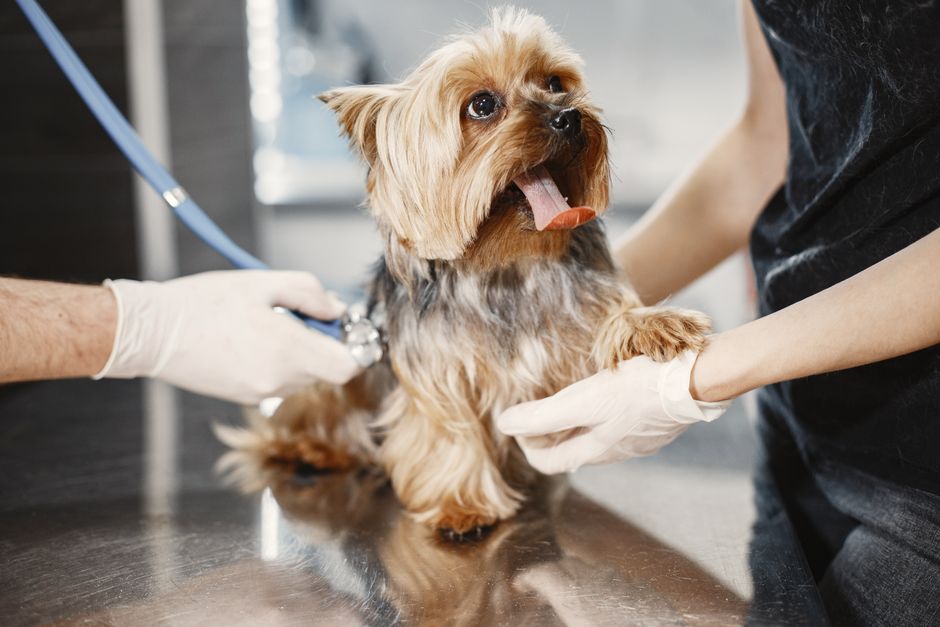
When spring allergies impact your pet’s quality of life, the team of veterinarians at Sandy Paws Veterinary Hospital offers a range of diagnostic and treatment options to help manage symptoms and address underlying causes. During a wellness examination, we begin by reviewing your pet’s medical history and conducting a thorough physical assessment, paying special attention to the skin, ears, and respiratory system. Diagnostic approaches may include skin scrapings, cytology, or blood tests to rule out infections or other medical conditions that could mimic allergies.
Treatment options involve a combination of medications and lifestyle adjustments. For pets with itchy, inflamed skin, we may recommend medicated shampoos, topical therapies, or oral antihistamines. In more severe cases, prescription anti-itch medications or short courses of steroids may be necessary to break the itch-scratch cycle. Pets with secondary skin or ear infections might require antibiotics or antifungal treatments. Our dermatology services are tailored to identify specific allergens and create a customized management plan for each patient, ensuring that both immediate symptoms and long-term comfort are addressed. Ongoing support and follow-up care are always part of our approach, as allergies often require adjustments over time to keep pets feeling their best throughout the season.
Preventing and Managing Spring Allergies at Home
While professional veterinary care is crucial for diagnosing and treating spring allergies, there are several steps pet owners can take at home to minimize exposure and support their pet’s comfort. Regular bathing with a gentle, hypoallergenic shampoo can help remove pollen and other allergens from your pet’s coat. Wiping your pet’s paws and face after outdoor walks or play sessions can reduce the amount of pollen tracked into your home. Keeping windows closed on high-pollen days and using air purifiers may help limit indoor exposure to airborne allergens.
Vacuuming frequently and washing your pet’s bedding in hot water are simple habits that can reduce dust mites and mold spores. For pets with food allergies or sensitivities, feeding a high-quality, veterinarian-recommended diet can support overall skin health. It’s also helpful to monitor local pollen counts, which are typically highest in the morning and on windy days, and plan outdoor activities accordingly. If you’re considering over-the-counter antihistamines or supplements, always consult with your veterinarian first to ensure safety and appropriate dosing. For more tips on keeping your pet healthy year-round, our preventive care services offer additional resources and support tailored to your pet’s unique needs.
When to Seek Veterinary Care for Pet Allergies
It can be difficult to know when a pet’s spring allergy symptoms require professional help. If your pet’s itching and discomfort persist despite home care, or if you notice signs such as open sores, red and swollen skin, persistent sneezing, coughing, or difficulty breathing, it’s time to contact a veterinarian. Pets that develop recurrent ear infections, hair loss, or changes in appetite or behavior should always be evaluated promptly, as untreated allergies can quickly lead to more serious health concerns.
Early intervention not only provides relief but can prevent secondary infections and complications. The veterinary professionals at Sandy Paws Veterinary Hospital are committed to helping your pet feel comfortable and healthy, with same-day appointments available for urgent concerns. We encourage you to schedule a consultation if you have any doubts about your pet’s wellbeing this spring. Remember, every pet is unique, and what works for one may not be effective for another; a personalized treatment plan is key to lasting relief.
Keeping Your Pet Comfortable This Spring: Schedule an Appointment Today
Spring brings warmth and beauty to Estero, but it can also mean allergy discomfort for many pets. By recognizing the signs, understanding the causes, and working closely with your veterinary team, you can help your dog or cat stay healthy and happy throughout the season. If you are searching for a veterinarian near me who understands the challenges of spring allergies in Estero and surrounding communities, Sandy Paws Veterinary Hospital is here to help. Our experienced veterinarians provide thorough diagnostics, compassionate care, and practical solutions for both acute and long-term allergy management.
To schedule an appointment, call us at (813) 469-5843, or visit our Estero location for personalized support. For additional information on how preventive care and dermatology services can benefit your pet, explore our wellness examination and dermatology solutions pages. Your pet’s comfort and health are our top priorities, and we look forward to helping your furry friend enjoy a vibrant, allergy-free spring.
Disclaimer: This blog provides general information and is not a substitute for professional veterinary advice. Always consult your veterinarian for specific concerns regarding your pet’s health. For more resources on pet health and allergies, visit the American Veterinary Medical Association (AVMA) or the American Animal Hospital Association (AAHA).



.jpg)
.jpg)
