
Stroke in Dogs: Symptoms Every Estero Pet Owner Should Know

Stroke in Dogs: Symptoms Every Estero Pet Owner Should Know
If you have ever noticed your dog acting strangely or losing balance, your mind may jump to serious concerns like a stroke. While strokes in dogs are less common than in people, they do happen, and recognizing the signs early can make a significant difference for your pet’s well-being. At Sandy Paws Veterinary Hospital, located at 19527 Highland Oaks Dr., Suite 204, Estero, FL 33928, our veterinary team is here to help you spot stroke in dogs symptoms, understand what causes them, and guide you on when to seek help. In this article, we will explain what a stroke looks like in dogs, what might cause it, what to do if you suspect your dog is affected, and how our compassionate care in Estero and surrounding communities supports your pet throughout every stage of life.
If you are worried your dog might be having a stroke or displaying unusual symptoms, it is vital to know what to watch for and when to reach out. Our veterinarians offer same-day appointments, so you never have to wait long for answers or peace of mind. Let’s explore the key symptoms, causes, treatment options, and when to schedule an appointment with your trusted local veterinary professionals.
Recognizing Stroke in Dogs Symptoms
Understanding stroke in dogs symptoms is the first step in protecting your pet’s health. Strokes in dogs often appear suddenly, and the signs may be subtle or dramatic. Key symptoms include a sudden loss of balance, sometimes causing your dog to fall to one side or walk in circles. You may also notice a head tilt that was not present before, or rapid, unusual eye movements called nystagmus. Weakness on one side of the body can occur, making it difficult for your dog to walk normally or stand up without assistance.
Other warning signs are loss of coordination, which might look like stumbling or an inability to control the legs properly. Some dogs experience sudden blindness or seem confused and unresponsive to their name or commands. In more severe cases, seizures or loss of consciousness may develop. Pet owners in Estero and the surrounding areas should pay close attention if their dog suddenly starts bumping into objects, shows odd behavior, or appears disoriented for no clear reason.
It is important to remember that these symptoms can be caused by a variety of medical conditions, not just stroke. Vestibular disease, brain tumors, inner ear infections, or even toxin exposure can look very similar. This is why a prompt evaluation by your veterinarian is always the best course of action if your dog is acting out of the ordinary.
What Causes Strokes in Dogs?
When a dog experiences a stroke, it means there has been a sudden disruption of blood flow to a part of the brain. This can happen due to either a blockage of blood vessels (ischemic stroke) or bleeding into the brain (hemorrhagic stroke). The underlying causes often relate to other health conditions your pet may be facing.
Common risk factors for strokes in dogs include high blood pressure, heart disease, kidney disease, and certain hormonal imbalances such as Cushing’s disease or diabetes. Blood clotting disorders can also increase the risk. Some breeds may be more susceptible, but strokes can affect any dog, regardless of age or size. In Florida’s warm climate, it is also essential to consider heatstroke, which can increase the risk of clotting and vascular problems if a dog is exposed to excessive heat for too long.
Often, strokes occur in older dogs or those with chronic illnesses. However, even young and seemingly healthy pets can be affected if there is an underlying, undiagnosed medical issue. That is why regular wellness examinations and preventive care are so important for early detection and management of health risks.
How Our Veterinarians Diagnose and Treat Stroke in Dogs
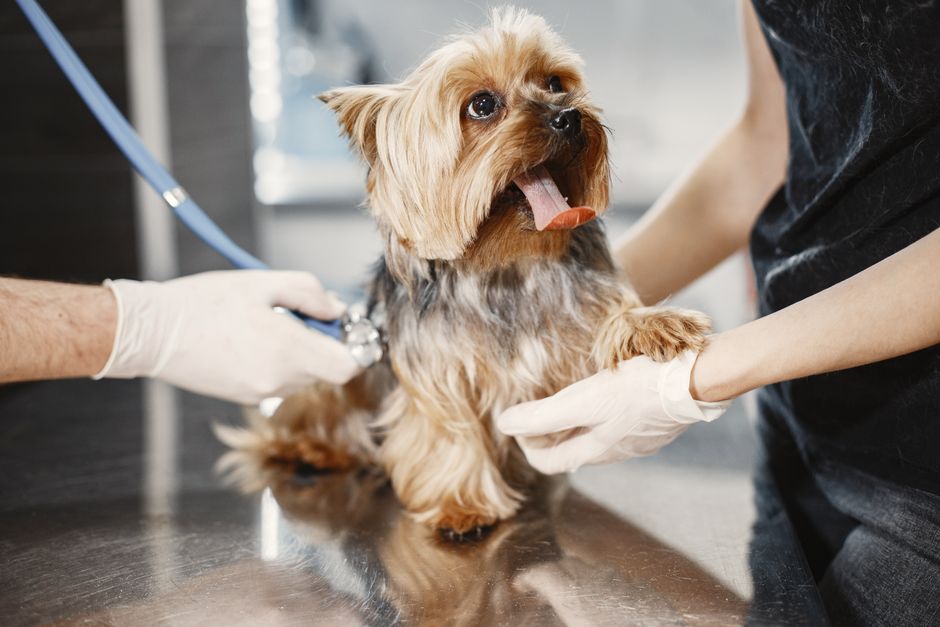
If you bring your dog to Sandy Paws Veterinary Hospital with possible stroke symptoms, our veterinary professionals will start with a thorough physical exam and a detailed history of your pet’s recent behavior. Diagnostics are crucial, since many conditions mimic stroke in dogs symptoms. Diagnostic steps may include bloodwork to evaluate for infections, organ function, and clotting disorders, along with blood pressure measurement and possibly advanced imaging such as x-rays or, in some cases, referral for MRI or CT scans if needed.
Treatment for stroke in dogs depends on the underlying cause and severity. Supportive care is typically the primary approach. This may involve intravenous fluids to keep your pet hydrated, medications to control blood pressure or seizures if present, and careful monitoring of their neurological status. In cases where an underlying condition like heart disease or high blood pressure is found, targeted therapy for that condition is essential. Our internal medicine services allow us to manage complex cases and provide ongoing care for chronic disease that may contribute to stroke risk.
While there is no specific “cure” for a stroke, many dogs show remarkable improvement with time, supportive care, and physical therapy. Our veterinarians will tailor a recovery plan for your pet, which may include at-home exercises, nutritional support, and regular follow-up examinations to monitor progress. The goal is always to restore as much normal function as possible and ensure your dog’s comfort and quality of life.
Home Care and Prevention: Steps You Can Take
Although not every stroke in dogs can be prevented, there are steps you can take at home to reduce risks and support your pet’s recovery. Maintaining a healthy weight, providing regular exercise suited to your dog’s age and breed, and feeding a balanced diet all support vascular health. Routine check-ups allow early identification and management of conditions like high blood pressure, heart disease, or diabetes that may increase stroke risk.
If your dog has already experienced a stroke, creating a safe, comfortable environment is important. Remove obstacles that may cause injury, provide non-slip mats, and keep food and water within easy reach. Assist your pet with mobility as needed, and follow all recommendations from our veterinarians for medications or physical therapy exercises at home.
For senior dogs, regular senior pet care visits are especially valuable. Our veterinary team in Estero can help you monitor for subtle changes in behavior or health that might indicate a higher risk of stroke or other neurological problems. Early intervention is always the best way to maintain your pet’s long-term health.
When to Seek Veterinary Care for Stroke in Dogs Symptoms
If you notice any signs of sudden weakness, loss of balance, head tilt, confusion, or changes in your dog’s normal behavior, do not wait to seek help. Immediate veterinary attention is critical for strokes and other neurological emergencies. Even if the symptoms seem to pass quickly, your dog still needs a thorough assessment to rule out serious underlying health problems.
Some situations require urgent care, such as persistent seizures, loss of consciousness, or repeated vomiting and inability to stand. If you are ever in doubt, our team at Sandy Paws Veterinary Hospital is here to answer your questions and provide guidance. We recommend scheduling an appointment as soon as possible if you notice any concerning signs because early care can make a significant difference in recovery outcomes.
Remember, only a qualified veterinarian can accurately diagnose and manage stroke in dogs. Online resources, such as Veterinary Partner, offer helpful background information, but they are never a substitute for direct, hands-on veterinary care.
Compassionate Stroke Care and Support at Sandy Paws Veterinary Hospital
Being faced with stroke in dogs symptoms can be frightening, but you are not alone. At Sandy Paws Veterinary Hospital, our veterinarians are dedicated to providing thorough, compassionate care for every patient, from diagnosis to recovery. With same-day appointments, advanced diagnostics, and a full range of internal medicine and senior pet care services, we are ready to support your pet’s health at every stage.
If you are searching for a “vet near me” in Estero or surrounding communities, we invite you to trust our experienced veterinary team with your pet’s care. Early recognition and intervention are key when it comes to neurological symptoms, and our hospital is committed to providing the attentive, personalized service your family deserves.
If your pet is showing any signs that concern you, do not wait—schedule an appointment at Sandy Paws Veterinary Hospital by calling (813) 469-5843 or visiting our location. For more information about comprehensive care for stroke in dogs symptoms, or to set up a wellness examination, our team is always here to help. Your pet’s health and happiness are our top priorities, and we are honored to be your trusted partner in veterinary care.
This article is for informational purposes only and is not a substitute for professional veterinary advice. If your dog is showing neurological symptoms, contact your veterinarian immediately for an accurate diagnosis and treatment plan. For further reading, visit the American Veterinary Medical Association or the American Animal Hospital Association.



.jpg)
.jpg)
