
Summer Heat Safety Tips for Dogs and Cats in Estero

Summer Heat Safety Tips for Dogs and Cats in Estero
Summer in Estero, FL brings plenty of sunshine, high humidity, and soaring temperatures. While many residents enjoy the warm weather, pet owners often worry about keeping their dogs and cats safe from summer’s unique health risks. At Sandy Paws Veterinary Hospital, we understand how important it is to protect your pets from heatstroke, dehydration, and other seasonal dangers. Our compassionate team is here to help you keep your pets healthy and comfortable all summer long, whether you live in Estero or a nearby community. In this blog, we’ll share essential summer safety tips tailored for our local climate, explain the signs of heat-related illness, and offer practical advice for keeping your dog or cat cool and safe. If you ever have concerns about your pet’s wellbeing this summer, our veterinary team is just a call away for same-day appointments and expert care.
Recognizing Heat Risks in Dogs and Cats
Florida’s summer weather can pose serious challenges for pets, especially during the peak heat of June, July, and August. Dogs and cats are much more sensitive to high temperatures than people, and they can quickly become overheated—with sometimes life-threatening consequences.
Warning Signs of Overheating
Key symptoms of heat-related illness in pets include excessive panting, drooling, rapid heartbeat, and weakness. In dogs, you might also notice glazed eyes, difficulty breathing, vomiting, or even collapse. Cats may hide or become unusually restless, pant heavily, or display bright red tongues and gums. If your pet is struggling to cool down, collapses, or seems disoriented, these are red flags that require urgent attention.
Why Estero’s Climate Increases Risk
Estero’s combination of high humidity and temperature makes it harder for pets to regulate their body heat. Unlike humans, dogs and cats do not sweat efficiently; they rely mostly on panting and limited sweat glands in their paws. Flat-faced breeds like Bulldogs, Pugs, and Persians are particularly vulnerable, as are pets with thick coats, those who are overweight, very young, very old, or have underlying health conditions.
Understanding How Heat Impacts Your Pet
Heatstroke and dehydration are the main threats to pet health during summer in Estero. Both conditions can develop rapidly and may become emergencies if not addressed quickly.
Heatstroke: The Silent Danger
Heatstroke occurs when your pet’s body temperature rises above a safe level. This can happen when pets are left outside without shade, exercised during the hottest part of the day, or even left in a parked car for just a few minutes. The heat inside a vehicle can climb to dangerous levels within moments, even with windows cracked. Sadly, every year pets in Florida suffer or lose their lives due to heatstroke—often because the warning signs were missed or help came too late.
Dehydration: Not Just a Summer Problem
While dehydration can occur year-round, it is much more common during the summer months. Pets lose water as they pant to cool down, and if they don’t replenish these fluids, dehydration can set in. Signs include dry gums, sunken eyes, lethargy, and reduced skin elasticity. In severe cases, dehydration can quickly lead to organ failure.
How Our Veterinary Team Treats Heat-Related Illness
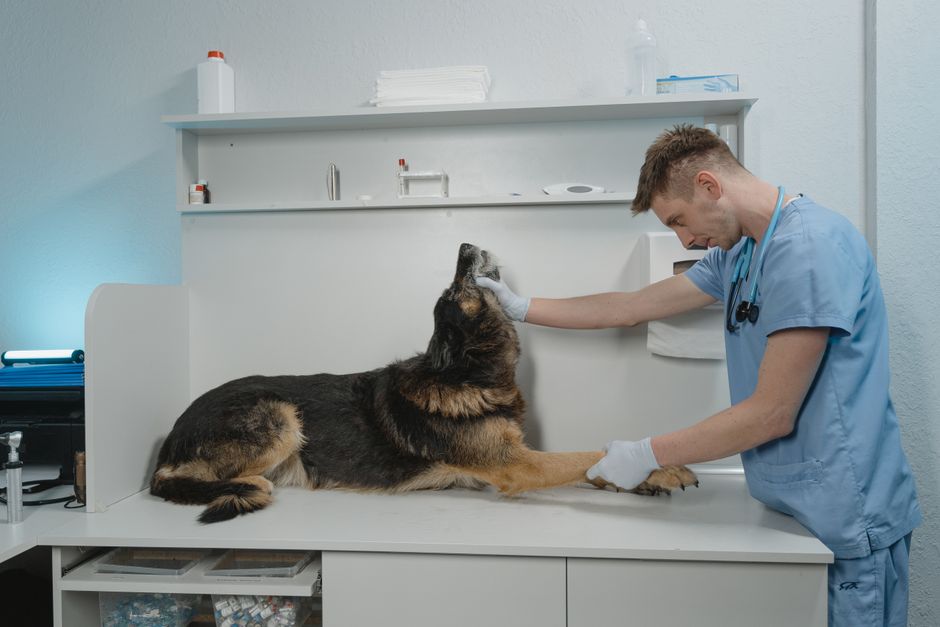
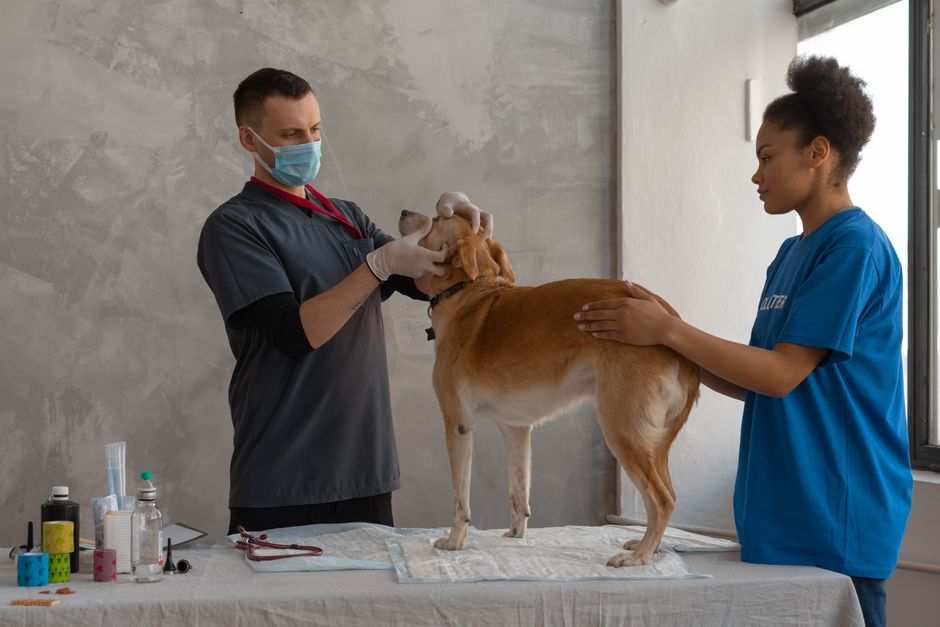
If your pet shows signs of heatstroke or dehydration, professional veterinary care is essential. At Sandy Paws Veterinary Hospital, our team is trained to provide immediate support for heat-related emergencies. When you bring your pet in, we assess their temperature, hydration status, and overall condition to determine the best treatment plan.
What to Expect During a Visit
Treatment options for heatstroke may involve gradually cooling your pet with room-temperature fluids, administering intravenous fluids to combat dehydration, providing oxygen therapy, and closely monitoring organ function. We never use ice-cold water or sudden temperature changes, as these can cause dangerous complications. Our veterinarians will also check for secondary issues such as kidney damage or clotting disorders, which sometimes develop after heatstroke.
For dehydration without heatstroke, we may recommend subcutaneous or intravenous fluids, supportive care, and monitoring. Catching these issues early is key to a smooth recovery.
Practical Home Care and Prevention Tips
The best way to protect your dog or cat from summer heat is to take proactive steps at home. Simple changes can make a huge difference in keeping your pets safe and comfortable.
Keep Pets Indoors During Peak Heat
During the hottest part of the day—usually between 10 AM and 4 PM—keep your dogs and cats indoors in a cool, air-conditioned environment. If your pet must go outside, limit outings to short potty breaks or gentle walks early in the morning or after sunset. Cats should remain indoors, especially during heat advisories.
Provide Plenty of Fresh Water
Always make sure your pets have access to clean, cool water. Consider placing multiple water bowls around your home and yard to encourage drinking. For cats, water fountains can entice them to stay hydrated.
Shade and Ventilation Matter
If your dog spends time outside, ensure there is ample shade and never tether your pet in direct sunlight. Shaded patios, trees, and covered porches can offer relief, but nothing beats the safety of an air-conditioned space.
Avoid Hot Pavement and Cars
Hot asphalt and concrete can burn sensitive paw pads; before walking your dog, test the surface with your hand. If it’s too hot for you, it’s too hot for your pet. Never leave your dog or cat unattended in a car, even for a minute, as temperatures can become deadly in moments.
Grooming and Coat Care
Regular grooming can help some pets stay cooler by removing excess undercoat. However, shaving is rarely recommended because a pet’s coat actually provides insulation from heat and sunburn. Ask our veterinary team for guidance on the best grooming routine for your pet’s breed and lifestyle.
Exercise Wisely
Plan walks and playtime for early mornings or late evenings when temperatures are lower. Bring water and take frequent breaks in the shade. Monitor your pet’s breathing and energy level, and stop activity if they seem tired or overheated.
When to Seek Veterinary Care for Heat Concerns
It’s always better to be cautious when it comes to summer heat and your pet’s health. Contact our veterinary team immediately if you notice symptoms such as excessive panting, drooling, difficulty breathing, vomiting, unsteady gait, or collapse. If your pet has been exposed to extreme heat and is acting ill, do not delay care—heatstroke can worsen rapidly.
If you are unsure whether your pet’s symptoms are serious, our veterinary professionals at Sandy Paws Veterinary Hospital are here to help you decide. We offer same-day appointments for urgent concerns and can provide advice by phone if you’re worried about your dog or cat’s condition.
Keeping Your Pet Safe All Summer in Estero
Your dog or cat relies on you to stay safe during the hot, humid summer in Estero and surrounding communities. By recognizing the signs of heat-related illness, understanding how to prevent problems, and acting quickly when needed, you can help your pet thrive through even the hottest Florida days.
At Sandy Paws Veterinary Hospital, our veterinarians are committed to helping your pets enjoy a healthy, happy summer. If you have questions about summer safety or need to schedule an appointment, contact us at (813) 469-5843 or visit us in Estero, FL. When searching for a vet near me, choose a veterinary team that truly cares for your family’s companions and understands the local climate challenges.
If you ever have concerns about your dog or cat’s wellbeing in the heat, don’t hesitate to reach out. Our veterinary professionals are here to provide guidance, support, and compassionate care all summer long. Stay cool, stay safe, and enjoy the sunny season with your four-legged friends by your side.
If you think your pet may be experiencing a heat-related emergency, please seek veterinary care immediately. The information in this blog is meant for educational purposes and does not replace professional veterinary advice.


.jpg)
.jpg)
