
Top Winter Pet Allergies in Estero and How to Manage Them
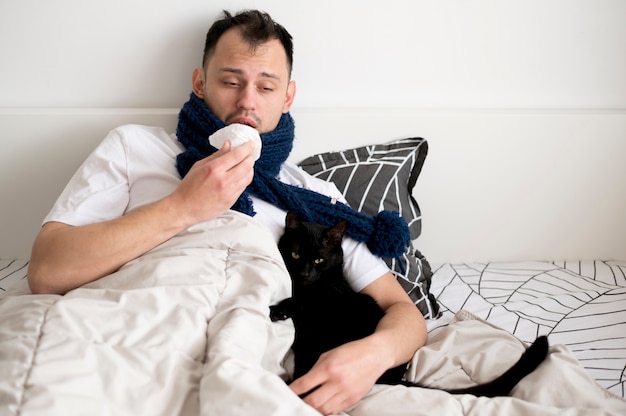
Top Winter Pet Allergies in Estero and How to Manage Them
For many pet owners in Estero and the surrounding communities, winter brings a welcome break from Florida’s hottest days. Yet, as cooler weather settles in, you might notice your dog or cat scratching more than usual or sneezing despite the absence of spring pollen. At Sandy Paws Veterinary Hospital, located at 19527 Highland Oaks Dr., Suite 204, Estero, FL 33928, we frequently see pets experiencing seasonal allergies even during the winter months. Understanding what triggers these symptoms, especially in our unique Southwest Florida climate, can help you keep your pet comfortable year-round. In this guide, we’ll explain the most common winter pet allergies in Estero, discuss why they occur, go over how to recognize the signs, and share how you and your veterinarian can help manage your pet’s discomfort. If you suspect your pet may be struggling with winter allergies, our veterinary team is here to provide compassionate, comprehensive care—including dermatology and preventive services specifically tailored for local pets.
Recognizing Winter Allergy Symptoms in Your Pet
It’s easy to assume that allergies only strike during springtime, but many pets develop symptoms when the air cools and certain environmental factors change. Key symptoms of winter allergies in pets include frequent scratching, licking or chewing at paws and skin, red or inflamed skin, sneezing, watery eyes, and a persistent runny nose. Some pets may also show signs such as ear infections, hair loss, or develop dry, flaky patches on their skin. You might notice your dog constantly rubbing their face on furniture, or your cat overgrooming specific areas. These behaviors can worsen at night or after your pet spends time indoors, where many winter allergens accumulate. If your pet’s symptoms appear suddenly or get worse despite regular grooming and flea prevention, it could be that winter allergies are to blame rather than other health concerns.
Why Do Pets Get Allergies in the Winter? Understanding Local Triggers
Florida’s mild winters mean that many allergens remain present even when the air is cooler. In Estero, common winter allergy triggers include dust mites, molds, and indoor pollens that thrive in the humidity. While northern climates experience a true “freeze,” Southwest Florida’s subtropical conditions allow many environmental allergens to persist year-round. When homes are closed up to conserve warmth, indoor air quality can decline, leading to increased exposure to dust, dander, and microscopic mold spores. Pets who spend more time indoors during winter are especially vulnerable; they are exposed to household cleaning agents, air fresheners, and even certain fabrics that can contribute to allergic reactions. Additionally, Florida’s winter lawns may harbor grass pollens and molds, particularly after rain or heavy dew, so your pet’s outdoor routine can still play a role in triggering symptoms. For some pets, food allergies may also become more noticeable in winter due to increased time spent indoors and changes in diet or treats.
Managing and Treating Winter Pet Allergies: What to Expect from Your Veterinarian
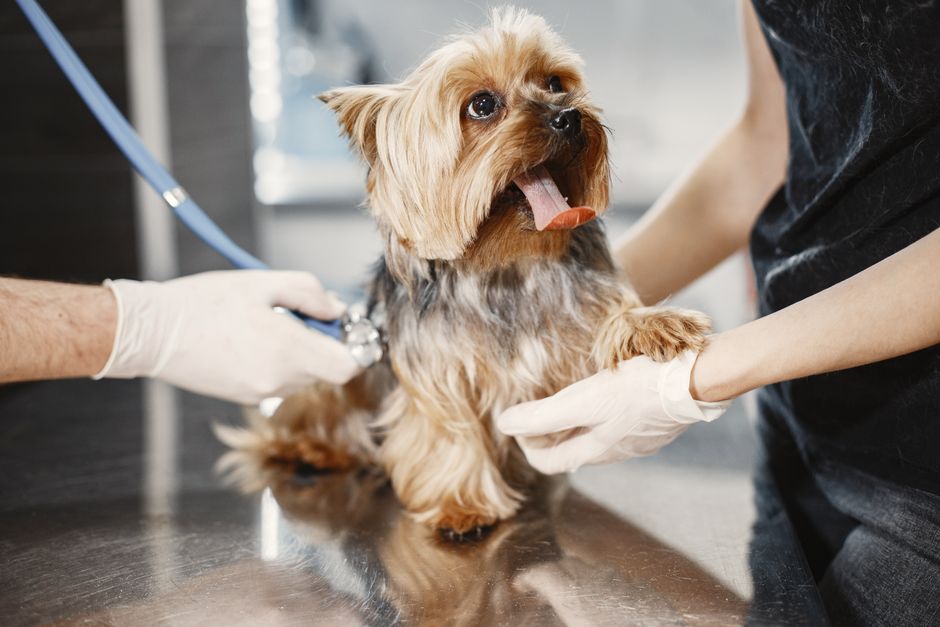
If your pet’s scratching, sneezing, or skin irritation is disrupting their comfort, scheduling an appointment with our veterinarians is the best way to start the path toward relief. At Sandy Paws Veterinary Hospital, we take a comprehensive approach to diagnosing and managing pet allergies. A thorough examination, often accompanied by a review of your pet’s history and living environment, helps us pinpoint the likely triggers. Diagnostic options such as skin scrapings, cytology, and allergy testing may be recommended in cases where the cause isn’t immediately clear. Treatment approaches involve a combination of strategies tailored to your pet’s unique needs. These may include medicated shampoos to soothe irritated skin, prescription allergy medications, or immunotherapy in more severe cases. For pets experiencing secondary infections, such as ear or skin infections, antibiotics or antifungal treatments may also be prescribed. Our veterinary dermatology services are specifically designed to address skin and allergy issues, offering relief for pets suffering from persistent discomfort. Regular wellness examinations allow us to monitor your pet’s progress and adjust their treatment as needed, ensuring long-term comfort and health.
What You Can Do at Home to Help Your Pet
Managing winter allergies doesn’t stop at the veterinary clinic; there are several steps you can take at home to support your pet’s wellbeing. Frequent vacuuming and washing of pet bedding can reduce dust and dander buildup in your home. Using air purifiers with HEPA filters can improve indoor air quality, lessening your pet’s exposure to airborne allergens. Bathing your pet with veterinarian-approved hypoallergenic shampoos helps remove allergens from their coat, while regular grooming can prevent matting and further skin irritation. For pets with food allergies, maintaining a consistent, high-quality diet and avoiding new treats or table scraps during the winter months can make a difference. If your pet spends time outdoors, wiping their paws and fur with a damp cloth before they come inside can help limit the amount of pollen or mold they bring into the house. Monitoring your pet’s skin and coat for changes, and keeping an eye on their general behavior, allows you to catch signs of flare-ups early and seek professional guidance promptly.
When to Schedule a Veterinary Visit
It’s important to know when home care isn’t enough and professional attention is needed. You should reach out to your veterinarian if your pet’s scratching or licking becomes persistent, if you notice raw or bleeding skin, or if your pet develops sores, hot spots, or hair loss. Additional warning signs include recurring ear infections, changes in appetite or energy level, and symptoms that do not improve with basic at-home measures. Some allergies can become more severe and lead to secondary skin infections or other complications if left untreated. Our team at Sandy Paws Veterinary Hospital recommends scheduling a wellness examination at the first sign of ongoing discomfort. Early intervention not only helps your pet feel better but can also prevent more serious health problems down the line. If you are unsure whether your pet’s symptoms warrant a visit, our internal medicine services are available to help evaluate complex cases and guide you toward the most effective treatment plan.
Keeping Pets Comfortable Year-Round: Prevention and Ongoing Support
Preventing winter allergies requires a proactive approach. Consistent preventive care is the foundation of long-term health for pets in Estero, as early detection and management of allergies can minimize discomfort and reduce the need for more intensive treatments. Our veterinarians recommend maintaining regular wellness appointments, staying up to date with parasite prevention, and discussing any changes in your pet’s environment or behavior with your veterinary professionals. Educating yourself about common allergens in our region and making adjustments to your home can further support your pet’s health. While some allergies cannot be completely eliminated, working closely with your veterinary team can significantly improve your pet’s quality of life.
Your Local Resource for Pet Allergy Care in Estero
Winter allergies in pets can be frustrating, but with the right information and support, your furry companion can enjoy the cooler months in comfort. If you’re noticing persistent itching, sneezing, or skin changes, don’t hesitate to reach out to the trusted veterinarians at Sandy Paws Veterinary Hospital. We are committed to helping pets in Estero and surrounding communities thrive all year long. Scheduling an appointment is simple—just call (813) 469-5843 or visit our hospital at 19527 Highland Oaks Dr., Suite 204, Estero, FL 33928. When you’re searching for a veterinarian near me, know that our veterinary team is here to provide personalized, compassionate care. For more information on allergy management, preventive programs, or to schedule your pet’s next wellness examination, contact us today. Together, we can make winter a season of comfort and wellbeing for your pet.
This article is intended for informational purposes only and should not replace professional veterinary advice. For specific concerns about your pet’s health, always consult with your veterinarian. For additional resources, visit the American Veterinary Medical Association or the American Animal Hospital Association.



.jpg)
.jpg)
